





From Sightseeing to Flavour-Seeking
For decades, the Indian travel itinerary was predictable: visit historical landmarks, take photos, and eat at a recommended 'multi-cuisine' restaurant. But a seismic shift is underway. Today’s travellers, particularly millennials and Gen Z, are driven
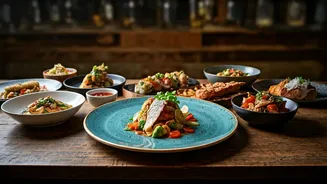
by a desire for something more immersive and authentic. They are realizing that the true soul of a place is often found not in its museums, but in its markets, street-side stalls, and generational eateries. This has given rise to the food trail—a journey where the primary destination is a flavour, a dish, or a culinary tradition. It's a travel philosophy that prioritizes tasting a city's history over just reading about it.
The 'Why' Behind the Bite
Several factors are fuelling this gastronomic gold rush. First is the quest for authenticity. In an increasingly globalized world, travellers are craving unique, local experiences that can't be replicated. Tasting a bowl of Thukpa made by a family in a Leh alleyway or savouring filter coffee in a decades-old Mylapore institution offers a connection that a sterile hotel buffet cannot. Secondly, the power of social media cannot be understated. Instagram and food vlogs have turned local delicacies into photogenic stars. A perfectly plated biryani or a bubbling pan of jalebis becomes a new kind of travel trophy, inspiring others to follow the trail. Finally, there's a growing sense of pride and curiosity about our own country's staggering culinary diversity. Why fly abroad when you can explore the infinite cuisines right here at home?
More Than Just a Meal
A well-designed food trail is never just about gluttony. It's a multi-sensory lesson in culture, history, and community. Following a kebab trail through Old Delhi is also a walk through Mughal history. Exploring the spice plantations of Kerala before a seafood meal connects you to centuries of global trade. Each dish comes with a story—of migration, of local ingredients, of festive traditions, of a family that has perfected a recipe over generations. When you ask the vendor at a 100-year-old sweet shop in Kolkata about the origins of the sandesh, you're doing more than just eating; you're participating in living history. This narrative depth is what elevates a food trail from a simple meal to a memorable journey.
Trails to Whet Your Appetite
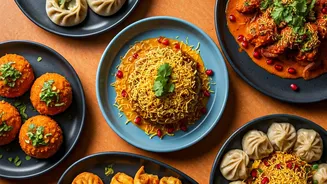
The beauty of India is that you can design a food trail almost anywhere. But to get you started, here are a few classic routes: * **Old Delhi's Culinary Maze:** Navigate the chaotic, charming lanes of Chandni Chowk for legendary parathas, succulent kebabs at Karim's, दौलत की चाट (Daulat Ki Chaat), and the original Old Famous Jalebi Wala. It’s an assault on the senses in the best way possible. * **The Biryani Quest in Hyderabad:** The city is a pilgrimage site for biryani lovers. The trail takes you from iconic institutions like Paradise and Bawarchi to lesser-known local gems, debating the merits of pakki vs. kacchi biryani along the way. * **Kolkata's Street Food Symphony:** Start with a kathi roll, move on to puchkas (phuchka), sample the endless variety of chops and cutlets, and finish with a journey through the city's iconic mishti (sweet) shops. * **Coastal Flavours of Goa & Kerala:** Go beyond the tourist shacks. Explore local fish markets, taste fiery fish curries in a Keralan toddy shop, or discover the unique flavours of Goan-Portuguese cuisine like Vindaloo and Sorpotel in sleepy village eateries.
Planning Your Own Culinary Adventure
You don't always need a formal tour guide. The best food trails can be self-made. Start by researching the iconic dishes of the city you're visiting. Watch videos by local food bloggers who have already done the groundwork. Once you arrive, don't be afraid to ask for recommendations—from your auto driver, your hotel receptionist, or the shopkeeper down the road. Look for the places with the biggest crowds of locals, not tourists. The golden rule of food trails is simple: be curious, be adventurous, and always arrive with an empty stomach.