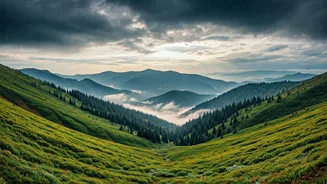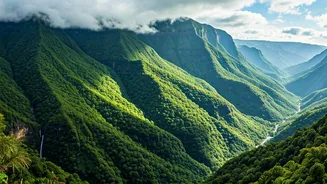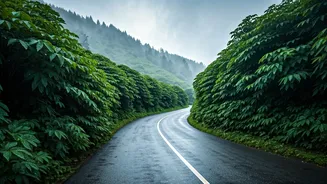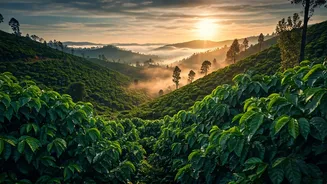






The Scene on the Ground
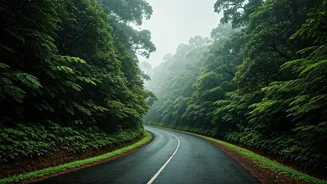
Imagine bumper-to-bumper traffic snaking through winding ghat roads that were once clear. Picture viewpoints packed shoulder-to-shoulder, with selfie sticks eclipsing the scenic vistas. This is the current reality in both Coorg, Karnataka, and Munnar,
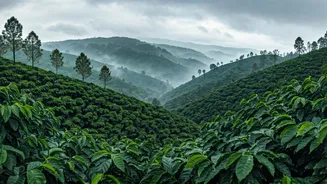
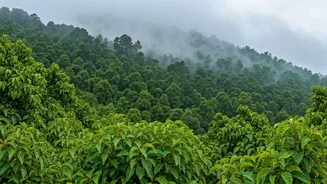
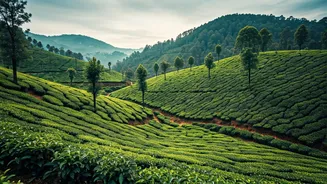
Kerala. Recent long weekends and the ongoing summer vacation season have triggered an extraordinary surge in domestic tourism. Reports from both regions describe hotels running at near-full capacity, restaurants with long waiting lines, and popular attractions like Raja's Seat in Madikeri and the tea gardens of Munnar experiencing footfalls that rival a city marketplace. For many, the dream of a quiet escape has been replaced by the stress of navigating a crowd.
What's Fuelling the Frenzy?
This isn't just a typical holiday rush; it's a perfect storm of factors. The primary driver is pent-up travel demand after years of pandemic-related restrictions—a phenomenon often called 'revenge travel'. Families and groups are eager to make up for lost time, and hill stations offer a cool respite from the scorching summer heat across the country. The timing, coinciding with school holidays and several long weekends, has concentrated this demand into a very short period. Furthermore, the accessibility of both Coorg and Munnar from major urban hubs like Bengaluru, Chennai, and Kochi makes them default choices for a quick road trip, compounding the visitor numbers significantly.
A Double-Edged Sword for Locals
For the local economies, this flood of tourists is a much-needed lifeline. After struggling through the pandemic, hoteliers, taxi drivers, shopkeepers, and restaurant owners are witnessing a business boom. The influx of cash revitalises the community and supports thousands of livelihoods that are directly or indirectly dependent on tourism. However, this boom comes at a cost. The sudden strain on local infrastructure is immense. Water shortages, power cuts, and waste management have become critical issues. The sheer volume of vehicles contributes to air and noise pollution, while the ecological footprint on these fragile Western Ghats ecosystems is a growing concern for environmentalists and residents alike.
Two Hills, Similar Problems
While both destinations face overcrowding, their specific challenges differ slightly. In Coorg (Kodagu), the main town of Madikeri acts as a bottleneck. The narrow roads leading to popular spots like Abbey Falls and Talacauvery were not designed for this volume of traffic, leading to gridlock that can last for hours. In Munnar, the problem is often concentrated around key attractions. The queue for entry into Eravikulam National Park to see the Nilgiri Tahr can be daunting, and the roads around Mattupetty Dam often come to a standstill. Local authorities in both districts are grappling with traffic management and crowd control, often implementing one-way systems and deploying extra police personnel, but the sheer numbers often overwhelm these efforts.
Planning a Trip? How to Navigate the Rush
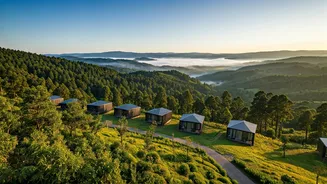
If you're still determined to visit, a little planning can make a huge difference. First, avoid weekends and public holidays at all costs; travelling on a weekday can offer a dramatically different experience. Second, book your accommodation and any required entry permits well in advance, as last-minute options are virtually non-existent. Third, consider exploring offbeat locations instead of heading straight for the most famous viewpoints. Both Coorg and Munnar have vast, beautiful hinterlands with smaller homestays and lesser-known trails. Finally, embrace slow travel. Instead of trying to tick off a checklist of ten spots in two days, pick a base and explore it deeply. This not only reduces your travel stress but also lessens the burden on the region's infrastructure.