


The Minimalist’s Dilemma: The Search for Warmth
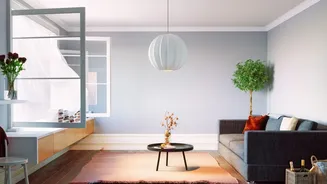
Minimalism is a design philosophy centered on simplicity, functionality, and open space. By stripping away non-essential elements, it creates a serene and uncluttered environment. However, this emphasis on clean lines and neutral palettes can occasionally
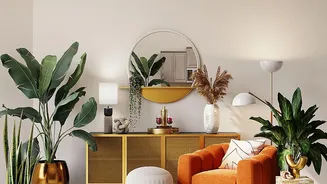
leave a room feeling stark or lacking in character. The challenge for lovers of minimalism is to introduce warmth and personality without sacrificing the core principles of the aesthetic. The answer lies not in adding more 'stuff,' but in choosing materials that offer tactile and visual richness. This concept, often called 'warm minimalism', focuses on using texture to create an inviting atmosphere.
Why Rattan Works: The Power of Natural Texture
Rattan, a fast-growing, vine-like palm, brings the outside in. Its natural, organic texture provides a beautiful contrast to the smooth surfaces and clean lines typical of minimalist furniture. This is a key principle in design styles like Japandi—a fusion of Japanese and Scandinavian aesthetics—which masterfully blends minimalism with natural materials to create spaces that are both calm and cozy. Rattan’s woven pattern adds depth and visual interest without overwhelming the senses, making it an ideal material for softening a room. These natural materials are not only sustainable but also have a timeless quality, ensuring they won't feel like a passing trend.
Choosing the Perfect Basket
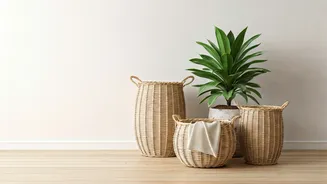
When selecting a rattan basket, consider its function, size, and weave. For storing cozy blankets in the living room, a large, sturdy basket with an open top works well. For corralling smaller items on a shelf or entryway table, a set of smaller, lidded baskets can help maintain a tidy appearance. The color of the rattan also matters. Natural, light-toned rattan aligns perfectly with the airy feel of Scandinavian design, while darker stains can add a touch of sophisticated contrast, a hallmark of Japanese-inspired interiors. To maintain a cohesive look, try sticking to one colorway per room.
More Than Just Storage: Creative Uses for Rattan Baskets
Think beyond simple storage. Rattan baskets are incredibly versatile and can serve multiple decorative purposes. Use a medium-sized basket as a stylish holder for a potted plant, like a fiddle leaf fig or snake plant, to add a touch of greenery. Just remember to place a plastic tray inside to catch water. A shallow, tray-like basket can be used on a coffee table or ottoman to group candles, books, and other small decor items, creating a contained and curated vignette. You can even hang a cluster of flatter, platter-style baskets on a wall to create a unique, textural art installation.
Styling Baskets in a Minimalist Space
To integrate baskets seamlessly, follow the minimalist principle of 'quality over quantity'. One or two well-placed baskets will have more impact than a room full of them. Use a large basket to fill an empty corner, providing both function and a visual anchor. Slide a few uniform baskets into the cubbies of an open shelving unit to hide clutter while adding a rhythmic, textural element. The key is balance. Let the basket’s natural texture be the star by pairing it with simple, unadorned furniture and a neutral color palette. This allows the warmth of the rattan to shine without making the space feel busy.