







A Crucial Defence Against Misinformation
Every day, we navigate a world where it’s increasingly difficult to distinguish fact from fiction. Misleading news, manipulated images, and biased narratives spread rapidly online, often designed to provoke an emotional reaction rather than an informed
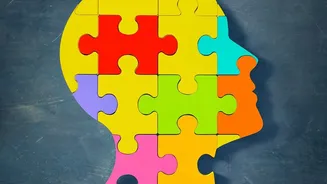
one. Critical thinking is our primary defence. It is the ability to pause and question what we see, read, and share. This means looking beyond the headline, evaluating the source of the information, and recognizing our own biases. In a world where most online content is not fact-checked, the habit of questioning whether a story is real, who created it, and what their motive might be is fundamental to making smart choices about what we believe.
Navigating the Age of Artificial Intelligence
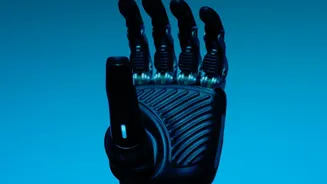
The rise of Artificial Intelligence presents a new frontier of challenges. AI tools can generate text, images, and videos that are convincingly real but may contain errors, biases, or outright falsehoods. As these technologies become more integrated into our lives, from search engine summaries to chatbots, our ability to think critically about their output is not optional, but necessary. AI models are trained on vast datasets and can reflect the biases within that data. A critical thinker understands these limitations. They know to cross-reference AI-generated facts with reliable sources and to question whether a summary is complete, up-to-date, or truly neutral. As AI handles more routine tasks, the uniquely human ability to apply judgment, ethics, and contextual understanding becomes more valuable.
The Most In-Demand Skill in the Modern Workplace
Beyond protecting us from misinformation, critical thinking is one of the most sought-after skills in the modern economy. Employers across nearly every industry value candidates who can do more than just follow instructions; they want people who can analyze problems, offer innovative solutions, and make well-reasoned decisions. According to the World Economic Forum, analytical thinking is among the top skills needed for the workforce. In a rapidly changing job market, the ability to adapt, learn, and solve complex problems is far more valuable than memorizing facts. Employees who think critically can identify risks, spot new opportunities, and communicate their ideas clearly, making them indispensable to any team.
How to Sharpen Your Critical Mind
The good news is that critical thinking is a skill that can be developed with practice. It starts with cultivating a habit of curiosity and conscious reflection. A simple first step is to ask more questions, even basic ones that challenge your own assumptions. When you encounter new information, ask who is providing it, what their perspective is, and what evidence they have to support their claims. Another powerful technique is to actively seek out different viewpoints. Reading opinions you might disagree with can help you understand the complexity of an issue and strengthen your own arguments. Finally, take time to reflect on your own decisions. Considering what went right, what went wrong, and why, is a key part of building better judgment over time.