





The Foundation: A Bed That Does More
In any bedroom, the bed is the largest piece of furniture, so make it work harder. Instead of a simple frame, opt for a bed with built-in storage. Hydraulic lift-up beds offer a massive, uninterrupted space underneath, perfect for stowing away seasonal
clothing, luggage, or extra bedding. This eliminates the need for bulky, separate cupboards, instantly freeing up valuable floor space. Another excellent option is a bed with integrated drawers or shelves in the headboard, providing easy-to-access storage for books, chargers, and other nighttime essentials. For a room that needs to double as a workspace or living area, a Murphy bed, also known as a wall bed, is the ultimate transformer. These beds fold up vertically into a cabinet or wall unit, freeing up the entire floor area during the day.
Smart Seating and Surfaces
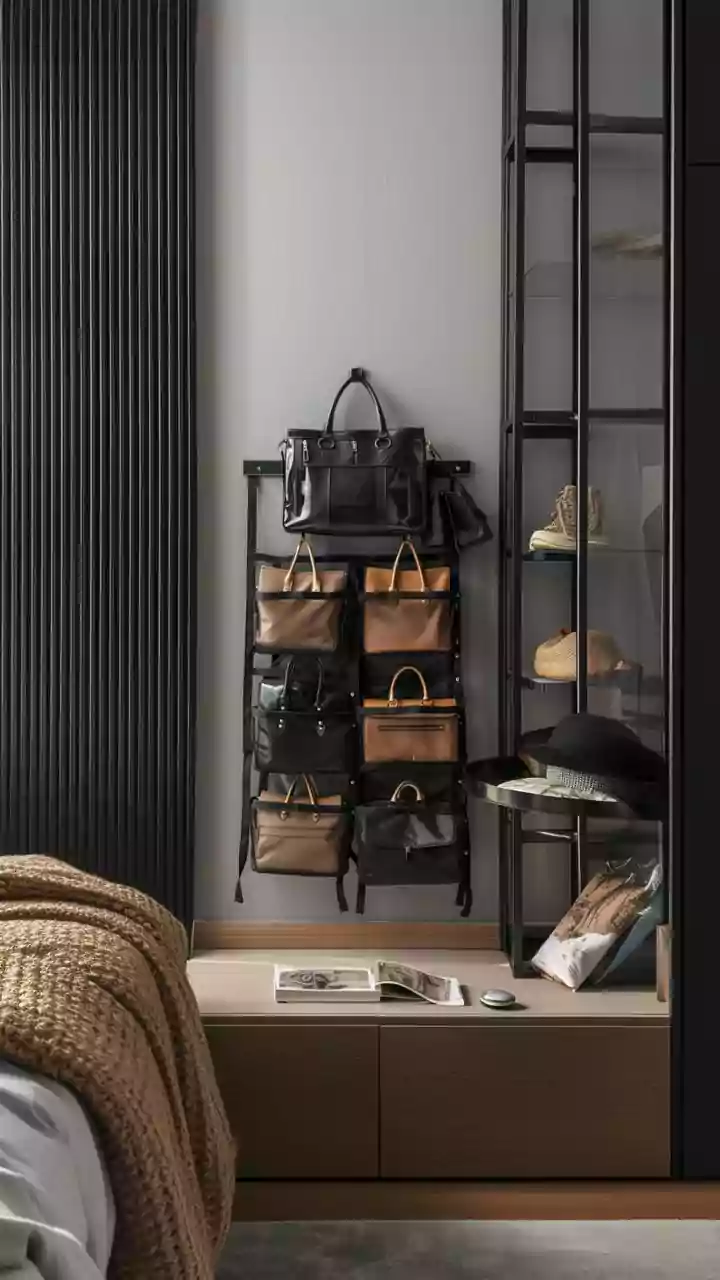
Every piece of furniture should earn its place. Instead of a simple bedside table, consider a set of nesting tables. You can use one as your primary nightstand and pull out the others when you need an extra surface for a cup of tea or a book. An ottoman with hidden storage is another champion of functionality. It can serve as a footrest, extra seating for guests, or even a makeshift coffee table with a tray on top, all while hiding clutter. For seating, a storage bench placed at the foot of the bed provides a spot to sit while putting on shoes and a place to store blankets or bags. These small additions add layers of function without occupying significant visual or physical space.
Create a Flexible Workspace
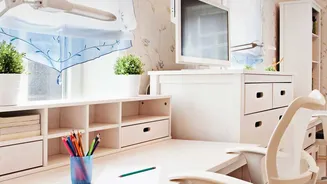
With work-from-home culture becoming more common, many bedrooms now need to accommodate a desk. In a small room, a dedicated, full-size desk can feel overwhelming. This is where foldable and convertible solutions shine. A wall-mounted folding desk provides a sturdy work surface when you need it and folds away neatly when you don't, preserving the room's primary purpose as a restful sanctuary. Some shelving units come with a pull-out desk that can be tucked away after work. If you only need a temporary spot for a laptop, a lift-top coffee table or a C-shaped table that slides over your bed can create an instant, ergonomic workspace.
Go Vertical: Use Your Walls Wisely
When floor space is limited, the only way to go is up. Using your walls effectively is key to a successful small-room layout. Install floating shelves above your bed or desk to hold books, plants, and decor without a floor footprint. Tall, narrow bookshelves can fit into awkward corners, drawing the eye upward and making the room feel taller. A well-organized wall can replace the need for multiple freestanding pieces of furniture, creating a more open and streamlined look. Consider a loft bed if your ceiling height allows; this elevates your sleeping area and opens up the space underneath for a desk, a cosy seating nook, or extra storage.
The Philosophy of 'Less is More'
Choosing multipurpose furniture is about more than just saving space; it's a shift in mindset. It encourages you to think critically about what you truly need and to select pieces that are both beautiful and highly functional. Before buying anything, assess your room's layout and your daily routines. Do you need a dedicated vanity, or could a desk with a mirror serve the same purpose? Could a single modular unit combine your storage and seating needs? By focusing on furniture that serves two or more functions, you reduce clutter and create a more intentional, organised environment. This approach turns a potential limitation into a strength, resulting in a room that is not just well-managed but also cleverly designed.