




The Seduction of the Hashtag
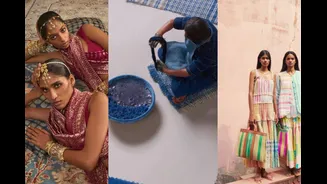
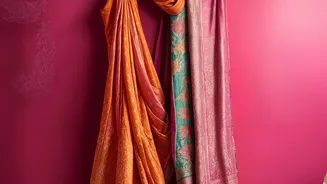
Positioning handloom as a trendy, fashionable choice is an effective marketing strategy. It brings high visibility, attracts a new, younger audience, and garners celebrity endorsements that can make a Jamdani or a Kanjivaram the object of seasonal desire.
This approach has helped shift the perception of handloom from being merely traditional to being aspirational and modern. On the surface, this seems like a victory. For an industry that provides employment second only to agriculture in India, this mainstream appeal feels like a lifeline. The logic is simple: if more people buy handloom, more weavers will benefit. However, this logic is as fragile as the trends it relies on.
When Fashion Fades, Who Pays the Weaver?
The primary limitation of treating handloom as a fashion trend is the fickle nature of fashion itself. Trends come and go, but a weaver’s livelihood cannot be a seasonal affair. When the social media buzz dies down after Handloom Day, the systemic issues facing artisans remain. Weavers are often left grappling with inconsistent demand driven by style cycles rather than a steady appreciation for their craft. Furthermore, the push to make handloom commercially 'competitive' within the fast-fashion ecosystem often leads to downward pressure on prices, which rarely reflects the intensive labour, skill, and time invested. The disconnect between a luxury boutique's final price tag and the meagre wages earned by the artisan at the start of the supply chain is a persistent and damning issue.
The Realities Beyond the Runway
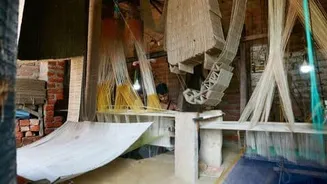
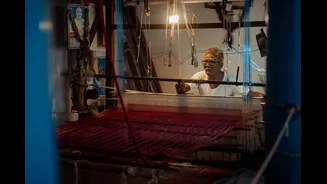
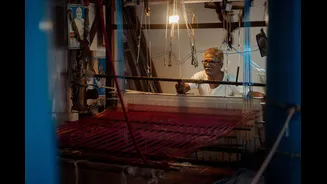
For millions of weavers, daily survival is dictated not by fashion forecasts but by harsh economic realities. The handloom sector is plagued by challenges that a hashtag cannot solve. These include intense competition from cheaper, power-loom imitations, the volatile and rising costs of essential raw materials like yarn and dyes, and a lack of direct access to markets and credit. Many weavers are part of an unorganised sector, making them vulnerable to exploitation by middlemen. Studies show that a significant percentage of weaver households earn less than Rs 5,000 a month, a paltry sum for a skill that is part of India’s cultural bedrock. This economic precarity is forcing the younger generation to abandon the loom for more stable employment, threatening the very continuity of these ancient crafts.
Weaving a System of Support, Not Just a Trend
If handloom is to have a future, its foundation must be built on sustainability and security, not just style. The conversation needs to shift from temporary trends to permanent support systems. This requires a multi-pronged approach. Government initiatives, such as the National Handloom Development Programme and welfare schemes, are a step in the right direction but need more effective implementation to ensure benefits reach the last weaver. Strengthening weaver cooperatives can provide collective bargaining power, better access to raw materials, and a more direct route to market, cutting out exploitative intermediaries. Most importantly, it involves fostering a deeper consumer understanding of the value inherent in a handwoven product—a value that transcends its aesthetic appeal.
The Conscious Consumer's Role
Ultimately, the responsibility does not lie with weavers to adapt to a broken system, but with consumers and policymakers to fix it. As consumers, this means moving beyond the performative annual purchase. It means asking questions about where our clothes come from and who made them. It means being willing to pay a fair price that honours the artisan's skill and labour. It involves supporting brands, platforms, and cooperatives that ensure transparency and fair wages. Choosing handloom should not be a fleeting fashion choice but a conscious, ethical decision to support a sustainable ecosystem, preserve a priceless cultural heritage, and empower the millions of artisans who are its custodians.