





The Shift from 'See' to 'Do'
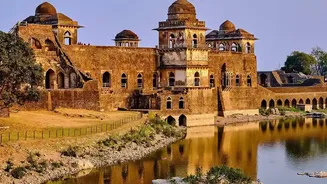
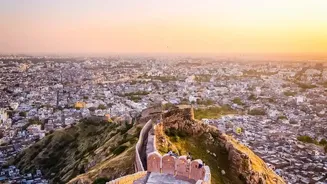
For decades, the mark of a successful holiday was a checklist of sights seen and photos taken. The Eiffel Tower, the Taj Mahal, the Colosseum—these were the prizes. But for India's Gen Z and millennial travellers, this script is changing. They are increasingly
trading the pressure of a packed itinerary for the joy of a purposeful experience. Instead of asking "What did you see?", the question is becoming "What did you do?". This trend, often called experiential or transformative travel, prioritises personal growth and immersive activities over passive sightseeing. Recent reports show that trips are now frequently planned around what travellers want to do, not just where they want to go.
What Does a 'Goal' Holiday Look Like?
Goal-oriented travel is not a monolithic concept. It's a broad spectrum of trips where the primary objective is a specific, often personal, outcome. For some, it’s a physical challenge, like getting a PADI scuba diving certification in the Andamans, learning to surf at Covelong Point, or completing a high-altitude trek in the Himalayas. For others, the goal is creative or intellectual. This can involve attending a week-long pottery retreat in Chandigarh, learning to make cheese on a farm in Coonoor, joining a culinary course to master regional Goan cuisine, or attending a writing workshop. Even wellness has become a core objective, with travellers seeking out yoga teacher training in Rishikesh, silent meditation retreats, or digital detoxes to combat urban burnout. This growing segment, sometimes called 'skillcations', is expected to see significant annual growth as more Indians seek to add tangible meaning to their time off.
The 'Why' Behind the Journey
Several factors are fuelling this shift. A key driver is the desire for personal growth and stories, not just souvenirs. After years of academic and professional pressure, many young Indians view travel as an extension of their self-improvement journey—a classroom without walls. The post-pandemic era has also made travel more intentional, with a preference for slower, more deliberate experiences that foster genuine connections with a place and its culture. Furthermore, the rise of flexible and hybrid work models allows for longer stays in one location, making it feasible to immerse oneself in a new skill or community project. Social media also plays a role, but with a twist. While a beautiful photo is still valued, a compelling story about learning, overcoming a challenge, or connecting with a local community now carries more social currency.
Beyond the Individual: Purpose-Driven Trips
The focus on goals extends beyond purely personal skills to encompass a sense of purpose and giving back. A growing niche of travel involves volunteering or engaging with local communities in a meaningful way. This could mean spending time at a public school in a remote village, participating in conservation activities like beach cleanups or tree plantations, or staying at farmstays that support local livelihoods. Social enterprises and travel companies are responding by curating trips that allow travellers to participate in projects like building classrooms or installing water systems, blending leisure with community engagement. These experiences offer a profound sense of connection and fulfillment that a traditional holiday often cannot match. This reflects a broader shift among young travellers who are increasingly conscious of their environmental and social impact.