


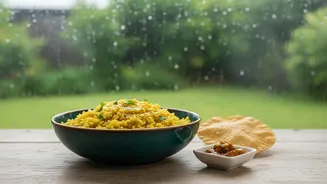

Lentils and Pulses (Dal)
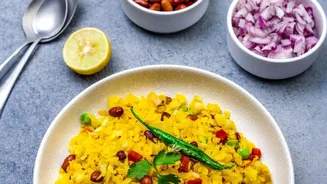
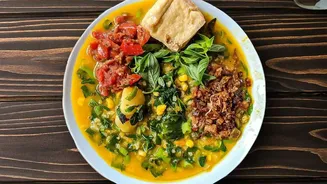
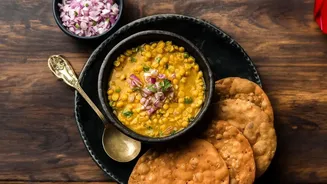
The cornerstone of Indian comfort food, dals are a monsoon must-have. Varieties like moong, masoor, and toor are not only packed with protein but are also easy to digest, which is a bonus when the humid weather can make digestion feel sluggish. Their
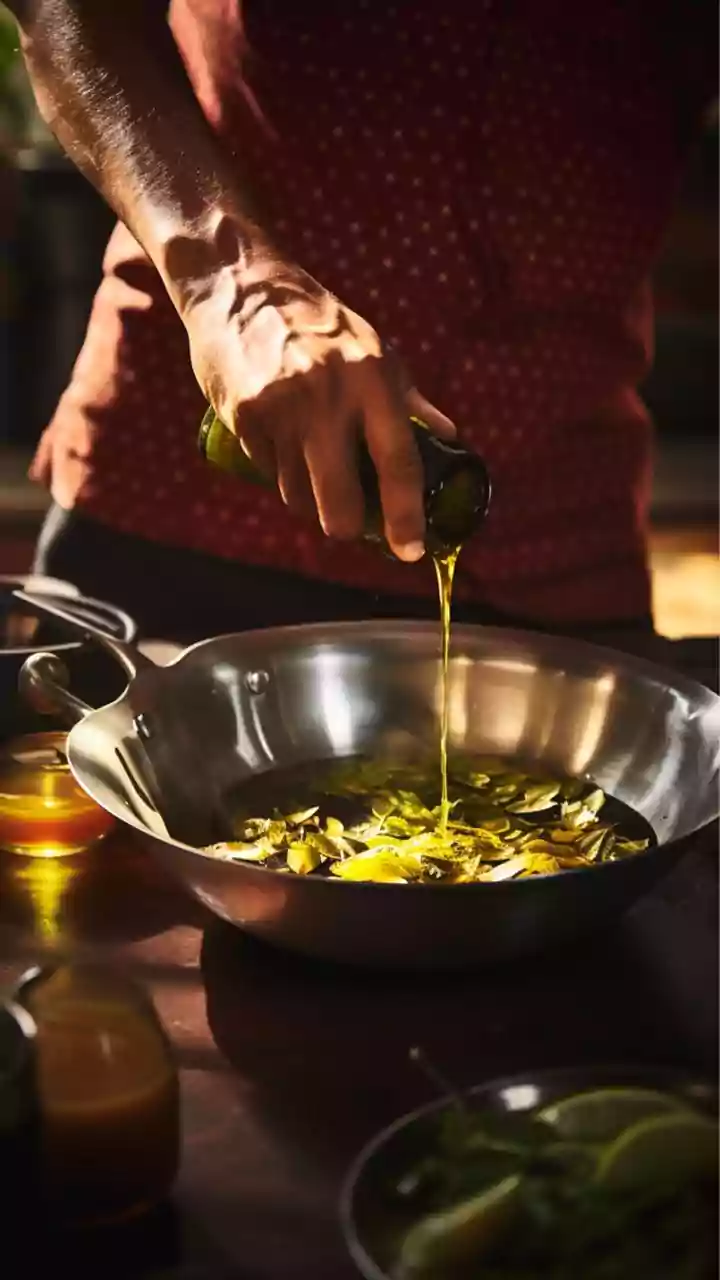
biggest advantage is shelf-stability; stored in airtight containers, they are safe from the dampness that defines the season. When the rain is relentless, there’s nothing more satisfying than a warm, one-pot khichdi or a simple dal served with steamed rice. For a classic rainy-day snack, moong dal can be used to make crispy pakoras or savoury chillas, offering versatility for both meals and cravings. Nutritionists recommend adding a few bay leaves to storage containers to naturally keep pests away, ensuring your go-to protein source is always ready.
Ginger and Garlic
This powerful duo is more than just a flavour base for curries; it's a traditional shield during the rainy season. Both ginger and garlic are celebrated for their natural antibacterial and anti-inflammatory properties, making them valuable additions to your diet when infections are more common. A cup of hot ginger tea can soothe a sore throat, while garlic is known to have antiviral qualities. The high humidity and temperature fluctuations during monsoon can weaken the body's defences, and incorporating these ingredients into daily meals is an easy way to support your immune system. Add freshly minced ginger and garlic to your dals, soups, and vegetable preparations to enhance flavour and gain their health benefits.
Gram Flour (Besan)
When you think of monsoon snacks, it's hard not to picture a plate of hot, crispy pakoras. The key ingredient for this quintessential treat is besan, or gram flour. As soon as the rain starts, besan becomes the hero of the Indian kitchen, ready to be transformed into anything from onion bhajiyas to potato bondas. But its use extends beyond deep-fried snacks. Besan can be used to make healthy, protein-rich pancakes known as chilla, which serve as a quick and nutritious breakfast or light dinner. It's an incredibly versatile flour that is essential for whipping up quick, comforting snacks on a gloomy day. Keeping a quality packet of besan ensures you're always prepared for those sudden rainy-day cravings.
Hardy Root Vegetables
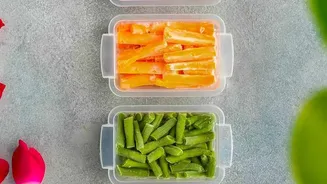
While leafy green vegetables tend to spoil faster and can carry more contaminants during the monsoon, hardy root vegetables are a far more reliable choice. Potatoes and onions are the foundation of countless Indian dishes and have a longer shelf life, making them perfect for stocking. They can be used to prepare everything from simple sabzis to fillings for samosas and parathas. Sweet potatoes are another excellent option, offering a nutritious alternative that can be baked into wedges for a healthy snack. These vegetables are less susceptible to the rot and spoilage that can affect other produce in the high humidity, providing a dependable base for many comforting monsoon meals.
Immunity-Boosting Spices
Spices are the heart of Indian cooking, and during the monsoon, they play a dual role of adding flavour and bolstering health. Turmeric, in particular, is prized for its anti-inflammatory and antioxidant properties, derived from its active compound, curcumin. A warm glass of turmeric milk (haldi doodh) is a traditional remedy for fighting off colds. Similarly, black pepper not only adds a pungent kick but also helps the body absorb the benefits of turmeric more effectively. Other spices like ajwain (carom seeds) are known to aid digestion, which can be particularly helpful during this season. Storing these whole spices in airtight containers keeps them potent and ready to add warmth and wellness to your meals.