
When Should You Visit?
The best times to visit Sangla and Kalpa are during two main windows: spring/summer (April to June) and autumn (September to October). From April to June, the weather is pleasant, with temperatures ranging from 8°C to 28°C, making it ideal for sightseeing
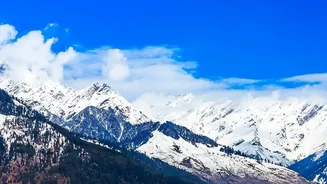
as the valleys are lush and green. Autumn, from September to October, is famous for its crisp air, clear skies, and the spectacular colours of the apple harvest. The monsoon months of July and August should be avoided due to the high risk of landslides. Winter (November to March) is extremely cold, with heavy snowfall often cutting off access to Sangla Valley and Chitkul, though Kalpa generally remains more accessible.
How To Get There
The journey to Sangla and Kalpa is a road trip adventure in itself. The most common starting point is Delhi or Chandigarh. The entire route is covered by road, as the nearest major railway station is in Kalka, followed by the toy train to Shimla, and the nearest airport is in Shimla. From Delhi, the journey to Sangla is approximately 560-590 kilometres and takes about two days. Most travellers break the journey in Shimla or Narkanda. You can either drive your own vehicle, hire a private taxi for the entire circuit, or use public transport. HRTC buses run from Delhi to Reckong Peo (the district headquarters near Kalpa), from where you can find local buses and taxis to Sangla and other nearby areas. Indian citizens do not require any permits to visit Kinnaur.
Exploring Sangla Valley
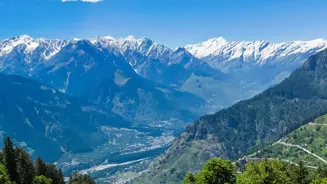
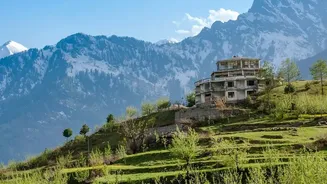
Sangla, also known as Baspa Valley, is a fertile expanse carved by the Baspa River. The main town of Sangla is your base, offering hotels, guesthouses, and restaurants. A must-do is the day trip to Chitkul, often called the last inhabited village near the Indo-China border. The drive itself is breathtaking. In Sangla, visit the ancient Kamru Fort, a tower-like structure that requires a short uphill walk and offers panoramic views of the valley. Other points of interest include the Bering Nag Temple and the Tibetan Wood Carving Centre. For a peaceful experience, take a walk along the Baspa River or explore the nearby village of Batseri, known for its traditional architecture.
Discovering Kalpa and Its Majestic Views
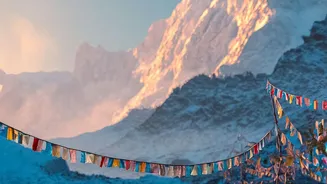
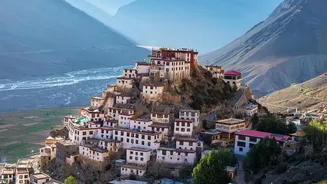
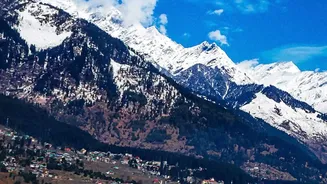
About 40 kilometres from Sangla, Kalpa is famous for one thing above all: its jaw-dropping view of the Kinner Kailash range. Waking up to watch the sunrise paint the sacred Shivling peak in golden hues is an unforgettable experience. The village itself is a charming mix of Hindu temples and Buddhist monasteries, reflecting the region's syncretic culture. Key sights include the Narayan-Nagini temple, the Hu-Bu-Lan-Kar Monastery, and a walk through the old village, known as Chini. A short drive from Kalpa takes you to Roghi village and the nearby 'Suicide Point', a thrilling cliff viewpoint with spectacular vistas. Kalpa is quieter than Sangla and offers a more contemplative atmosphere.
Where to Stay and What to Eat
Both Sangla and Kalpa offer a range of accommodation options. In Sangla Valley, you can find everything from luxury tented camps like Banjara Camps to budget-friendly guesthouses and homestays in Sangla, Rakcham, and Chitkul. Zostel has properties in both Sangla and Chitkul, catering to backpackers. Kalpa also has a variety of hotels and homestays that capitalize on the Kinner Kailash view. When it comes to food, don't miss out on local Himachali and Tibetan cuisine. Many hotels and local dhabas serve simple, hearty meals. Try dishes like thukpa, momos, and local breads. The region is also famous for its apples and apricots, which are widely available when in season.
Tips for a Smooth Trip
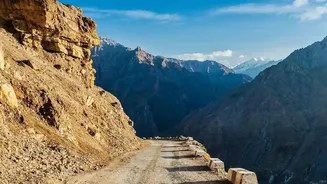
A typical itinerary from Delhi requires at least 5-7 days to do justice to the region without feeling rushed. The road from Karcham to Sangla is narrow and prone to closures, so always check local conditions. Acclimatization is key, as you'll be at high altitudes (Kalpa is at 9,711 feet). Stay hydrated and take it easy on your first day. There are petrol pumps in major towns like Rampur and Reckong Peo, but none in the Sangla Valley itself, so plan your fuel accordingly. Finally, respect the local culture. The people of Kinnaur are warm and welcoming; dress modestly, especially when visiting monasteries and temples, and always ask for permission before photographing people.