




The Gut: A Garden of Good Bacteria
Before diving into the world of pickles, it’s crucial to understand the ecosystem they support: the gut microbiome. Think of your gut as a complex garden, home to trillions of microorganisms, including bacteria, fungi, and viruses. For this garden to flourish,
it needs diversity. A wide variety of beneficial bacteria, often called probiotics, helps with everything from digesting food and absorbing nutrients to regulating your immune system and even influencing your mood. A rich and diverse microbiome is more resilient, better able to fend off harmful pathogens, and linked to a lower risk of chronic health issues. When we eat fermented foods, we are essentially planting new, beneficial species in our gut garden.
Fermentation: Controlled Alchemy
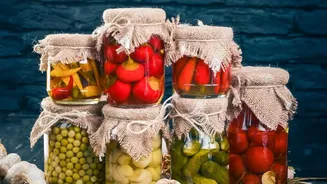
At its heart, fermentation is a natural preservation process where microorganisms, primarily Lactic Acid Bacteria (LAB), convert sugars in vegetables into lactic acid. This acid acts as a natural preservative, keeping harmful bacteria at bay while transforming the food's flavour and texture. Truly fermented pickles are made with a simple salt brine, which creates the perfect environment for these beneficial LABs to thrive. This is different from many modern, store-bought pickles that are preserved quickly using vinegar, a process that sterilises the product and kills off any potential probiotic benefits.
The Earthenware Advantage
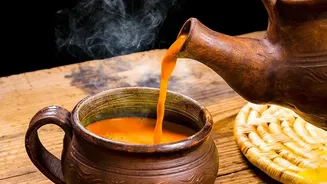
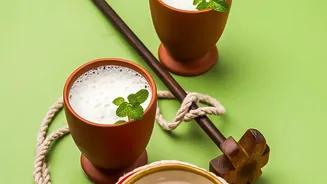
So, why does the container matter so much? The answer lies in the unique properties of earthenware. Unlike glass or plastic, unglazed or partially glazed clay pots are porous and breathable. This porosity allows for a slow, gentle exchange of gases. Carbon dioxide, a byproduct of fermentation, can escape, while a minute amount of oxygen can enter. This micro-oxygenation creates a more complex environment that supports a wider range of bacterial species. Furthermore, clay acts as a natural insulator, protecting the fermenting pickles from drastic temperature fluctuations. This stability is key, as different strains of beneficial bacteria thrive at different temperatures and stages of the fermentation process. A slow, steady fermentation allows for a more sequential and layered development of these microbial communities.
Cultivating a More Diverse Probiotic Profile
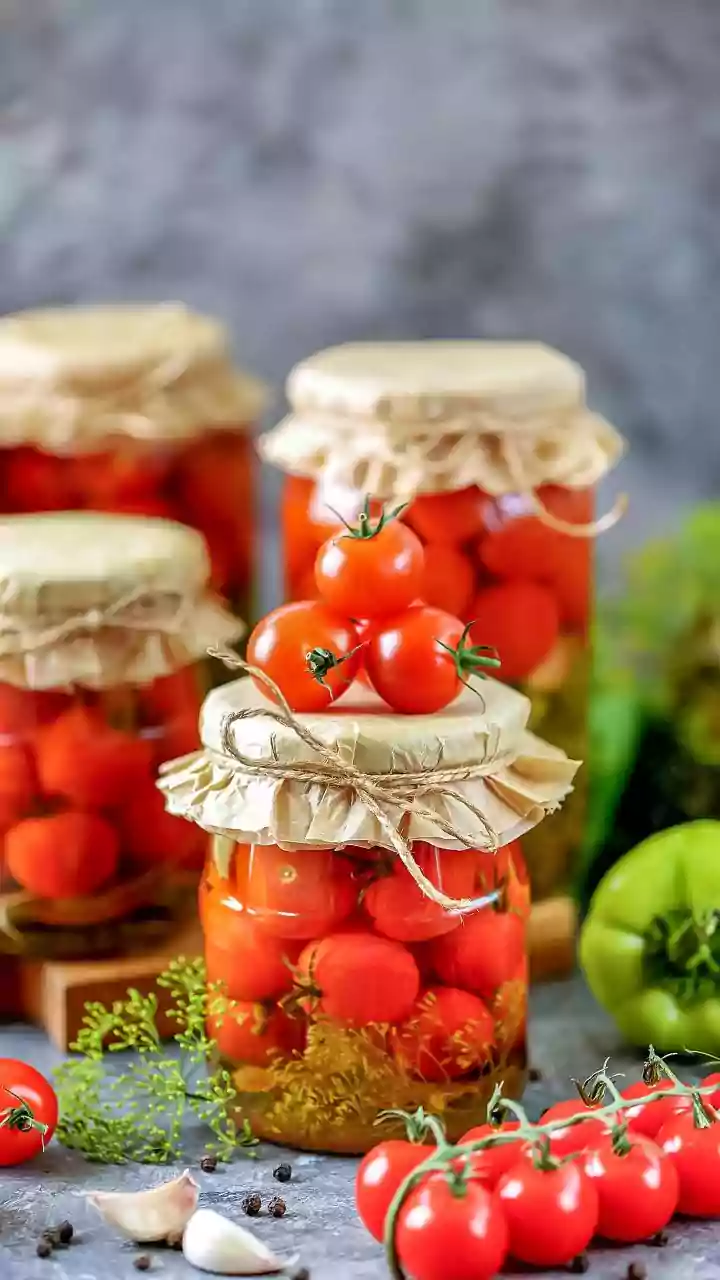
The stable, breathable environment of an earthenware jar fosters a more dynamic and competitive microbial ecosystem. While glass is inert and non-reactive, it is also impermeable and a poor insulator, leading to faster temperature changes and a less complex fermentation. The process in a clay pot is slower and more methodical. Early-stage bacteria might flourish first, and as the environment's acidity and composition change, other strains like various species of Lactobacillus and Pediococcus can take over. Research indicates that this slower, more regulated process allows for a greater diversity of beneficial microbes to establish themselves, leading to a final product with a broader spectrum of probiotics. This 'probiotic' approach to fermentation, which encourages beneficial microbes to outcompete unwanted ones, is a hallmark of traditional methods.
Embracing Ancient Wisdom in the Modern Kitchen
Returning to this traditional method is simpler than it seems. In India, ceramic jars known as 'martabans' or 'barni' have been the vessel of choice for pickling for centuries for these very reasons. When choosing a clay pot, look for one that is unglazed on the outside to maintain its porous nature, but with a food-safe glaze on the inside to prevent the salty brine from leaching through. Before its first use, it's often recommended to soak a new clay pot in water. The dark, cool environment inside the jar also protects the pickles and their precious vitamin content from degradation by UV light, an added benefit over clear glass jars. By using these traditional vessels, you are not just making a delicious condiment; you are cultivating a powerful, diverse probiotic supplement right in your own kitchen.