






The New 30-Day Visa-Free Rule
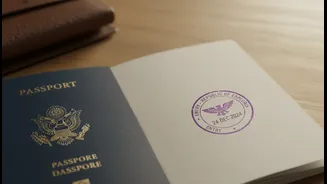
The biggest news for Indian passport holders is that Thailand will continue to offer visa-free entry. However, the duration has been adjusted. The previous temporary 60-day visa-free stay has been replaced with a standard 30-day visa-free period. This
decision, confirmed by the Thai cabinet on July 14, 2026, scraps an earlier, more restrictive proposal that would have required Indians to get a visa-on-arrival. The change is seen as a positive development, providing stability for travellers after weeks of uncertainty. The new rules will officially take effect 15 days after they are published in the Royal Gazette, so travellers should watch for that formal announcement.
Why The Rules Changed (Again)
The policy shift is a direct response to tourism trends and market feedback. An earlier proposal to end the visa-free scheme altogether caused confusion and led to a significant drop in arrivals from India, which is one of Thailand’s largest tourism markets. Reports indicated a decline of nearly 20% in Indian tourists, prompting the government to reconsider. Thai officials noted that the average stay for an Indian tourist is around seven to eight days. Therefore, a 30-day visa-free stay was deemed more than sufficient for most holidaymakers and business travellers, balancing tourism promotion with better immigration management.
Your Essential Pre-Travel Checklist
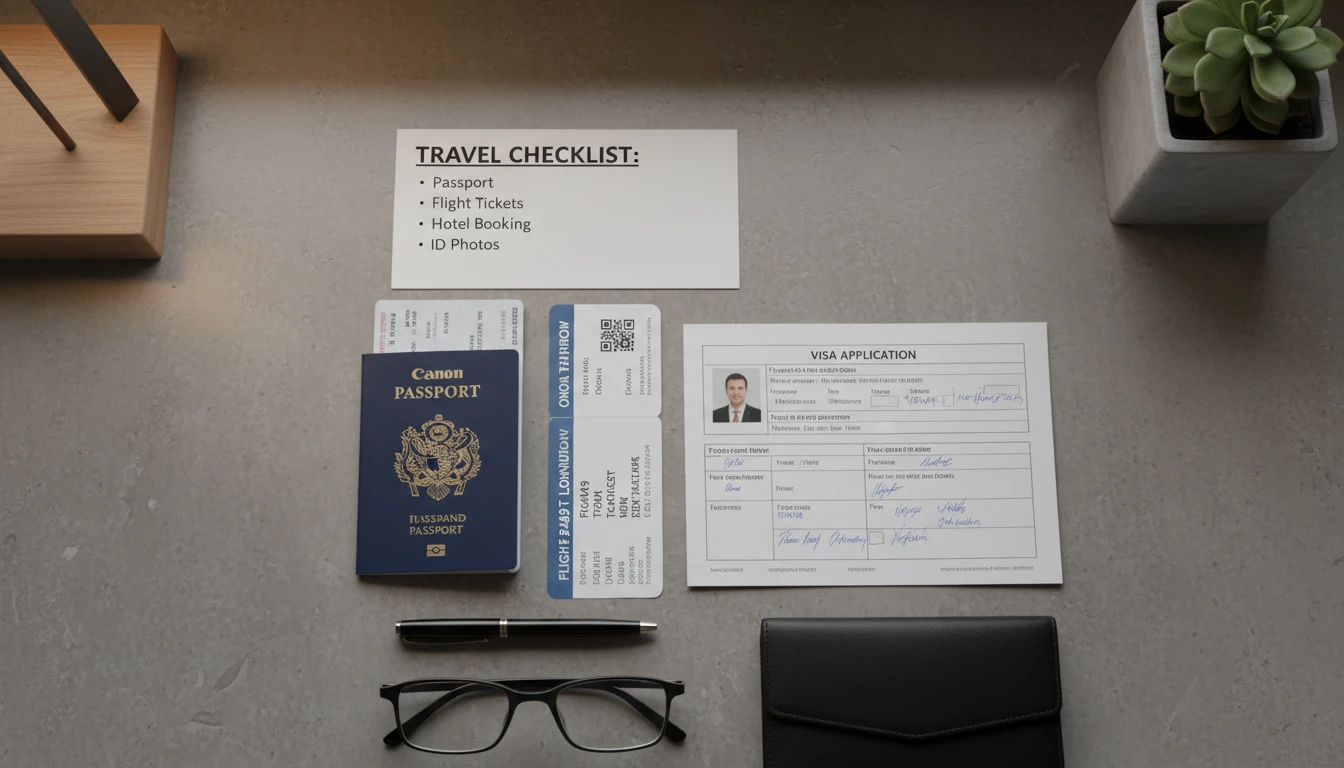
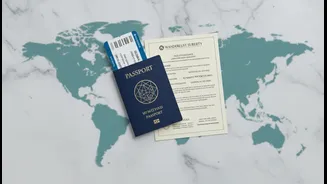
While a visa is not required for stays up to 30 days, Indian travellers must still have their documents in order to ensure a smooth entry. Immigration authorities may ask to see any of the following, so it's best to be prepared. First, your passport must have at least six months of validity from your date of arrival in Thailand. You should also carry proof of a confirmed return or onward flight ticket and booking confirmations for your accommodation for the entire duration of your stay. Finally, all travellers are required to complete the Thailand Digital Arrival Card (TDAC) online within 72 hours before arriving. This is a mandatory step that generates a QR code for immigration.
Proof of Funds: The Cash Requirement
One important requirement that remains is the proof of sufficient funds. Travellers may be asked by immigration officials to show that they can support themselves during their stay. The recommended amount is at least 20,000 Thai Baht (approximately ₹58,000) per person. It is strongly advised to carry this amount in cash, as digital proof or bank statements on a phone are not always guaranteed to be accepted during random checks at the airport. Having the cash on hand is the safest way to avoid any potential issues at the immigration counter.
Planning for the Peak Season
This clarification comes at the perfect time for those planning trips during India's peak holiday seasons, such as Diwali and the winter school break. With the visa situation stabilised, travellers can book their flights and hotels with more confidence. The 30-day window is ample for popular itineraries, whether it's exploring the temples of Bangkok, relaxing on the beaches of Phuket, or island-hopping in Krabi. For those intending to stay longer than 30 days, the option to apply for a regular tourist e-visa online before departure remains the best course of action. This ensures you have the correct permissions for an extended vacation.