



Trip Cancellation and Interruption Due to Weather
This is the most critical clause for monsoon travel. Heavy rains can lead to flash floods, landslides, and waterlogged airports, causing widespread cancellations. Your insurance should explicitly cover trip cancellation and interruption due to 'inclement
weather' or a 'natural disaster'. This allows you to be reimbursed for non-refundable expenses like flights and hotels if your trip is cancelled beforehand or cut short because your destination becomes inaccessible or your accommodation is rendered uninhabitable. However, timing is crucial; you must purchase the policy before a major weather event like a cyclone is officially named.
Flight Delay and Missed Connection Cover
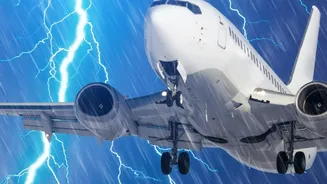
Flight delays are extremely common during the monsoon due to poor visibility and waterlogged runways. A standard policy might not be enough. Look for a plan that specifies a short minimum delay time before benefits kick in, ideally six hours or less. This coverage can reimburse you for necessities like meals and unexpected hotel stays during a long wait. Equally important is 'missed connection' coverage. If a weather-delayed domestic flight causes you to miss a connecting international flight, this clause helps cover the often-hefty costs of rescheduling.
Medical Coverage for Vector-Borne Diseases
The monsoon season creates ideal breeding grounds for mosquitoes, leading to a spike in diseases like dengue, malaria, and chikungunya. A standard travel policy will include medical emergency coverage, but it's wise to check the specifics. Ensure your plan covers hospitalisation costs, diagnostic tests, and outpatient treatments for such illnesses. Some health insurance plans offer specific coverage for insect-borne diseases, which can be particularly useful during this high-risk season. Check if your policy has a wide network of hospitals, especially if you plan to visit remote areas.
Roadside Assistance Add-On
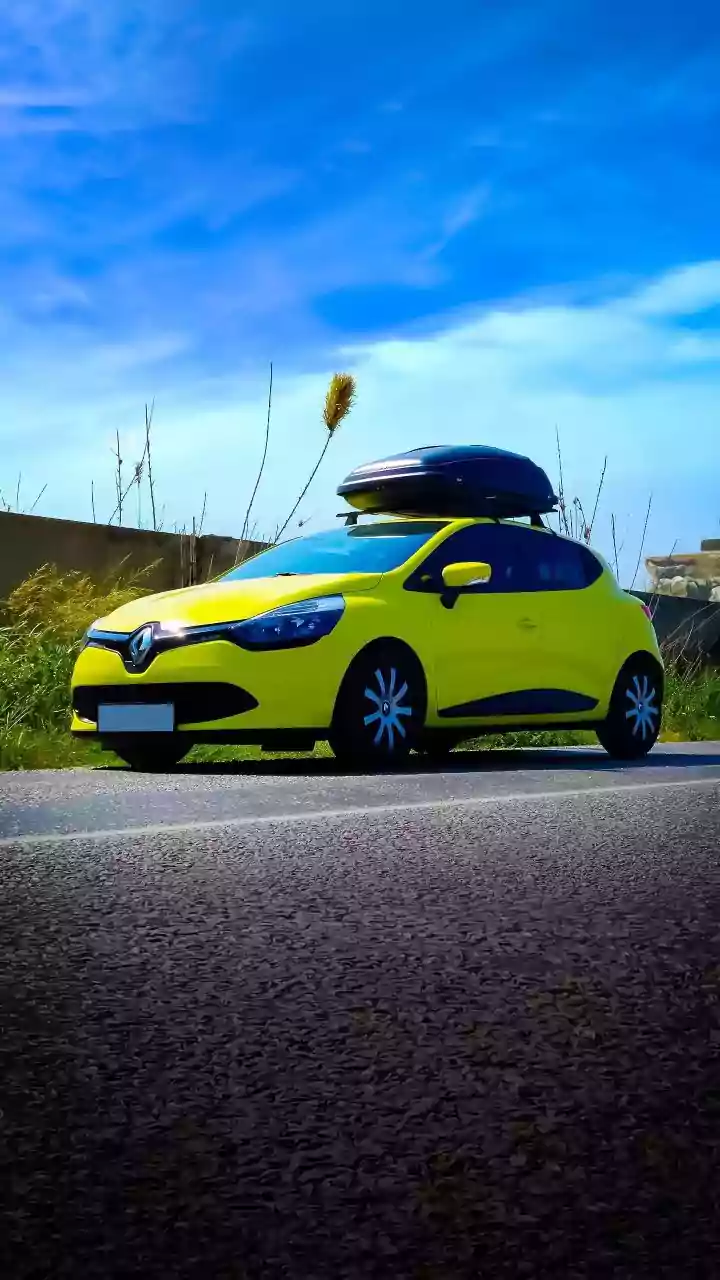
Many monsoon trips involve driving to scenic hill stations or coastal towns. However, roads can be treacherous, with potholes, waterlogging, and the risk of getting stranded. A 'roadside assistance' (RSA) add-on, often available with comprehensive motor or travel insurance, is invaluable. This service can provide on-the-spot help for a flat tyre, a dead battery, or even tow your vehicle if it gets stuck. If your flight is cancelled and you opt to drive, having this backup can prevent a minor breakdown from turning into a major travel crisis.
Adventure Sports and Trekking Cover
The monsoon transforms landscapes, making it a popular time for trekking and other adventure activities. However, these come with increased risks like slippery trails and flash floods. Standard travel insurance policies almost always exclude injuries from 'adventure sports'. If your itinerary includes activities like trekking, zip-lining, or river rafting, you must opt for an 'adventure sports cover' add-on. This ensures you are covered for medical expenses and, crucially, emergency medical evacuation if you get injured in a remote location.
Accommodation and Hotel Protection
What happens if a flash flood makes your hotel uninhabitable or blocks the road to your resort? This is where specific clauses for accommodation protection come in. Trip interruption coverage may reimburse you for the unused portion of your stay. Some policies also cover the cost of alternate accommodation if yours becomes inaccessible. Read the policy wording carefully to see if it covers situations where your destination is under a mandatory evacuation order or if your hotel ceases operations due to weather-related damage.
Baggage Loss and Damage by Water
Lost or delayed baggage is a risk year-round, but the monsoon adds another layer: water damage. Look for a policy that not only covers the loss of checked-in baggage but also specifies coverage for damage to personal belongings. Heavy downpours during luggage handling at airports can leave your bags soaked. A good policy will offer reimbursement for your belongings if they are damaged by sudden and unexpected water exposure. This protection is particularly important for expensive electronics or gear you might be carrying.