






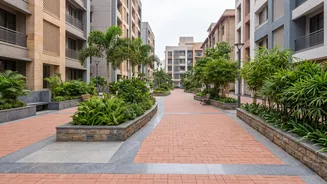
For decades, the soundtrack of urban India has been the roar of traffic. But a quiet revolution is taking place. Cities are rediscovering their most valuable asset: public spaces, transforming them from chaotic arteries into vibrant destinations.
From Thoroughfares to Social Hubs
Across
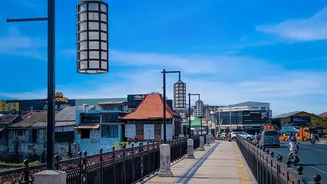
India, a shift in urban planning philosophy is reclaiming streets for people, not just cars. Redeveloping a public precinct goes beyond a simple beautification drive; it is a fundamental reimagining of a space's purpose. The old model prioritised getting vehicles from point A to B as quickly as possible, often leaving pedestrians with narrow, broken, or non-existent footpaths. The new approach, however, focuses on creating 'destinations'. This involves designing spaces that are safe, accessible, and engaging, encouraging people to linger, socialise, and connect with their community. It’s about transforming a noisy, polluted street into a place where families can stroll, friends can meet, and local culture can flourish. This human-centric design approach sees streets as the largest public spaces cities possess and seeks to maximise their potential for social and economic good.
The Blueprint for a Walkable City
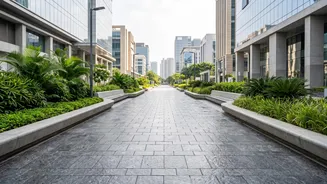
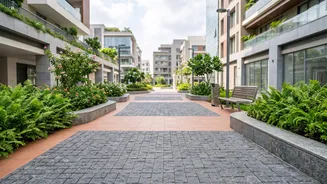
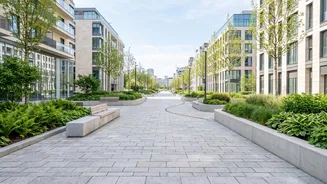
So, how is this transformation achieved? It begins with pedestrianisation—restricting or completely banning motorised traffic from a designated area, either permanently or during specific hours. This single move dramatically reduces noise and air pollution. The reclaimed space is then enhanced with wide, even pavements, often using materials like cobblestone or granite that signal a shift away from a vehicle-centric zone. Essential elements include ample public seating, green cover through trees and planters, and good lighting to ensure safety after dark. Another key strategy is promoting mixed-use development, where residential, commercial, and recreational spaces coexist. This creates a self-contained neighbourhood where daily needs are within a short walk, reducing dependency on private vehicles.
Case Study: The Chandni Chowk Makeover
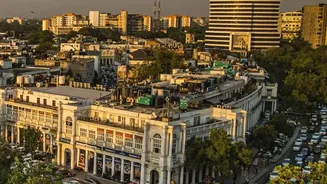
Perhaps the most prominent example is the redevelopment of Delhi's historic Chandni Chowk. The 1.3-kilometre stretch from Red Fort to Fatehpuri Masjid was once a chaotic mess of traffic, tangled overhead wires, and encroached pavements. The redevelopment project took electrical cables underground, banned motorised vehicles between 9 a.m. and 9 p.m., and created wide pedestrian walkways with red sandstone. The goal was to restore its heritage grandeur while making it pedestrian-friendly. While challenges with enforcement and maintenance persist, the project has undeniably changed the user experience, improving air quality and boosting the local economy by making the area a more pleasant destination for shoppers and tourists who come to experience its historic charm on foot.
Bengaluru's Church Street Experiment
In Bengaluru, the weekend pedestrianisation of Church Street served as a powerful pilot project. By closing the bustling 750nd metre road to vehicles on Saturdays and Sundays, the city tested the 'people-first' concept. The results were staggering. One study found that pedestrian footfall nearly doubled, with an average increase of 92%. Crucially, people weren't just passing through; they were strolling, slowing their walking speed, and spending more time in the area. Over half of the shop and restaurant owners reported an increase in customers and revenue. The initiative also encouraged the use of public transport, with a noticeable rise in metro ridership. The success of the 'Clean Air Street' initiative demonstrated a clear public demand for vibrant, walkable spaces free from traffic.
The benefits of such projects extend far beyond a pleasant walk. They create a positive economic loop, as increased footfall directly benefits local businesses. Vibrant public spaces foster a stronger sense of community and safety, as more 'eyes on the street' deter crime and create a welcoming environment for women, children, and the elderly. There are significant public health advantages too; walkable neighbourhoods encourage physical activity, which is crucial in combating lifestyle diseases. Furthermore, by reducing reliance on cars, these projects lead to lower carbon emissions and improved urban air quality, addressing some of India's most pressing environmental challenges.