

Trust Your Eyes First
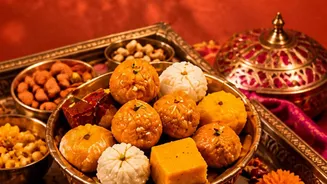
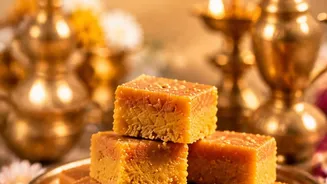
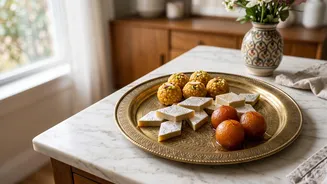
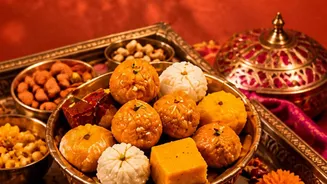
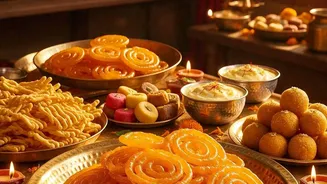
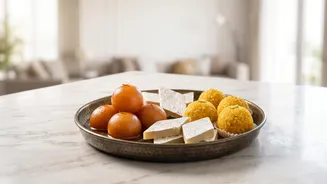
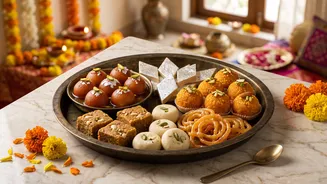
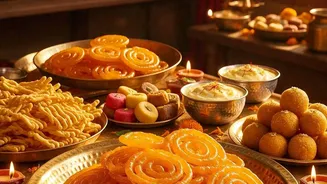
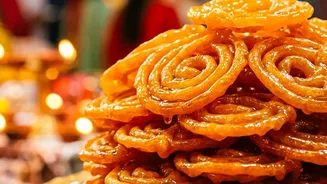
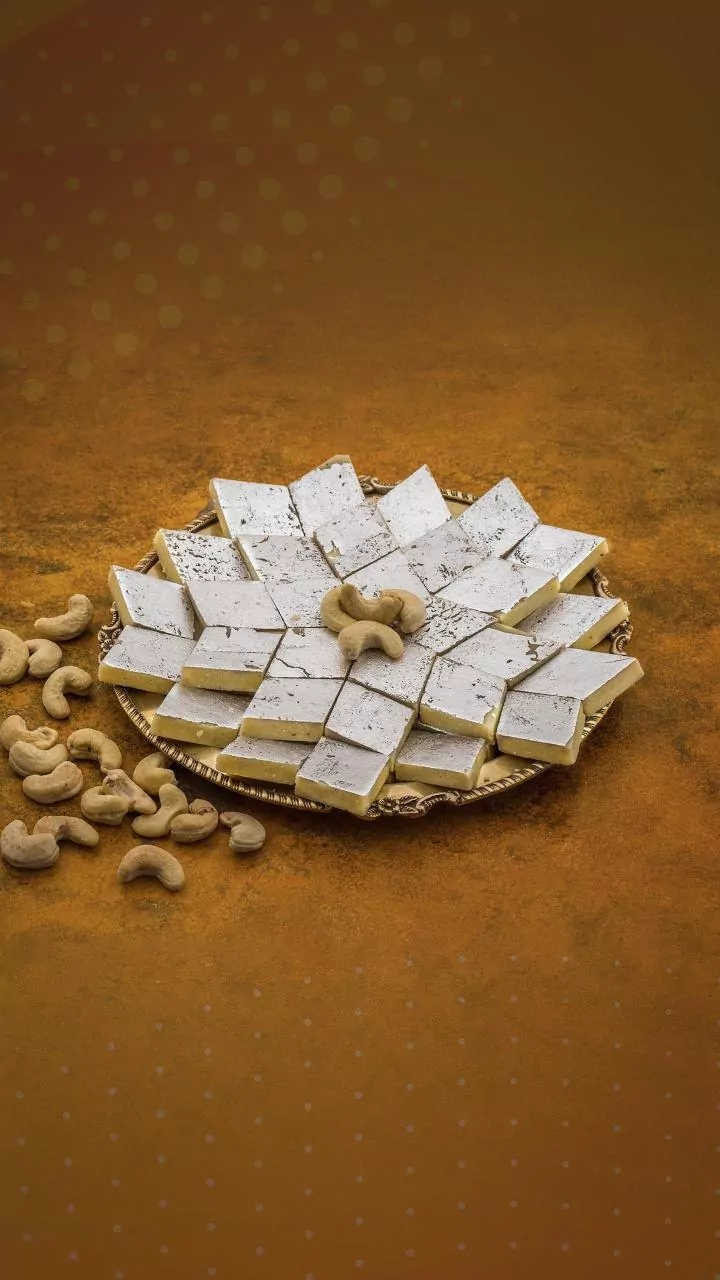
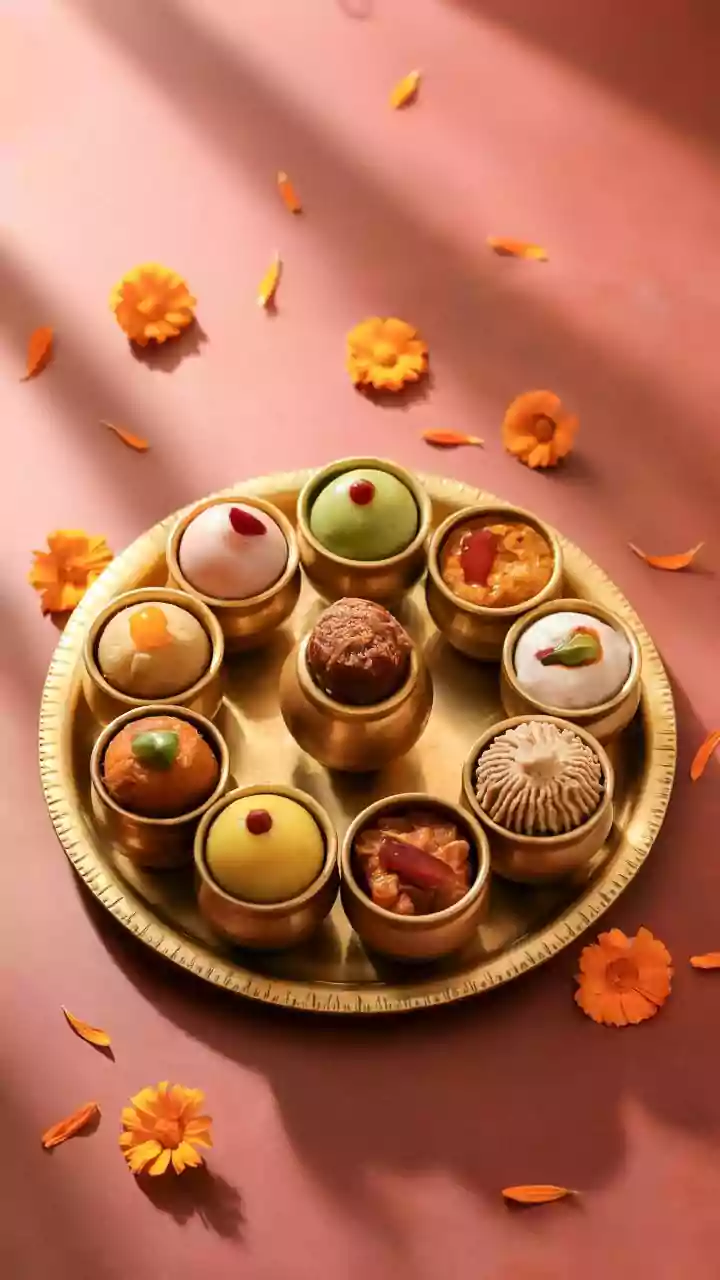
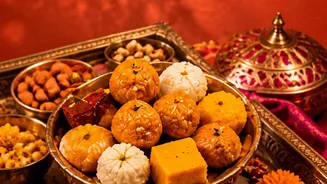
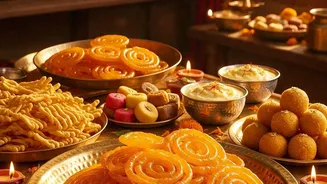
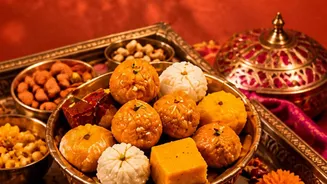
Your first interaction with a tray of sweets is visual, and your eyes can tell you a lot. Fresh sweets should have a natural, appealing colour. A gentle sheen on a ladoo or barfi often indicates the presence of fresh ghee. Be wary of colours that look
overly bright or artificial, as they may hide lower-quality ingredients. The surface texture is another key indicator. Fresh milk-based sweets like peda or kalakand should look moist and soft, not dry or cracked. Nuts and dry fruits used as garnish should appear fresh and plump, not shrivelled or dusty. Finally, observe the overall presentation. A clean display where sweets are protected from dust and insects is a good sign of a reputable seller.
Let the Aroma Guide You
The sense of smell is a powerful tool in detecting freshness. Good quality mithai should have a pleasant and inviting aroma. Sweets made with pure ghee will have a rich, nutty fragrance. Milk-based sweets, like those made from khoya, should have a fresh, milky, and sometimes slightly caramelised scent. If you detect any sour, stale, or chemical-like odours, it's a clear red flag. Stale oil or ghee has a distinct rancid smell that is hard to miss. Don't be shy about leaning in for a subtle sniff; a fresh, natural aroma is one of the most reliable signs of quality ingredients.
A Gentle Touch Tells All
Texture is crucial to the enjoyment of Indian sweets and a key indicator of their freshness. While you may not always be able to touch the sweets before buying, observing how they are handled provides clues. A fresh ladoo should be firm enough to hold its shape but soft enough to yield to gentle pressure. A barfi should feel soft and creamy, melting in your mouth rather than being dry or crumbly. Khoya-based sweets that are excessively hard or rubbery may be stale or of poor quality. If you are offered a sample, pay attention to the mouthfeel. Syrupy sweets like gulab jamun should be soft and well-soaked, not tough or elastic. Any texture that feels off—be it overly dry, sticky, or slimy—is a reason to reconsider.
Understand Your Sweets
Different types of sweets have different shelf lives and signs of freshness. Being aware of these can help you make better choices. Milk- and khoya-based sweets like rasmalai, rasgulla, and most barfis have a high moisture content and a shorter shelf life, typically lasting only a few days even when refrigerated. These are best consumed as fresh as possible. Sweets made from flour (besan), nuts, and ghee, such as besan ladoo, kaju katli, and soan papdi, are drier and last longer. For these, check for a crisp texture and the rich aroma of roasted flour or nuts. When in doubt, ask the shopkeeper when the sweets were made. A reliable vendor will be transparent about freshness.
Consider the Source and Storage
Beyond the sweets themselves, the shop's environment speaks volumes about its quality standards. Choose a reliable and clean shop, preferably one that is busy, as this indicates a high turnover of products. Check if the seller has a valid FSSAI license displayed. Observe how the sweets are stored. High-moisture sweets should be kept in a refrigerated display case to prevent spoilage, especially in warmer weather. Sweets should be covered and protected from direct handling. If you are buying pre-packaged sweets, always check the manufacturing and 'best before' dates, and ensure the seal is intact and the package is not damaged.