








Embrace the Art of Starting Slow
The biggest mistake runners make after a break is doing too much, too soon. Your mind might remember your old pace and distance, but your muscles, tendons, and cardiovascular system have detrained. Aerobic fitness can start to decline within about two
weeks of inactivity. A smart approach is to follow the 50% rule: start with no more than half of the weekly mileage you were running before your break. For the first couple of weeks, focus on building back your base with easy, conversational-pace runs. Don't worry about speed; the goal is consistency and allowing your body to adapt without overloading it. The enthusiasm to get back is great, but patience now will prevent setbacks later.
Rebuild with Run-Walk Intervals
A run-walk method is one of the safest ways to ease your body back into the demands of running. This strategy involves alternating between short periods of jogging and walking. A good starting point could be five cycles of jogging for two minutes and walking for four minutes. As you feel stronger over subsequent runs, you can gradually increase the running portion and decrease the walking time. For instance, in your second week, you might progress to three minutes of running and three minutes of walking. This approach helps rebuild your cardiovascular base and strengthens tissues without the constant impact of a continuous run, significantly reducing your risk of common overuse injuries like shin splints or runner's knee.
Prioritise Strength and Dynamic Warm-ups
A running-focused strength program is crucial for injury prevention, especially after a long layoff. Incorporating exercises like walking lunges, squats, and core work two to three times a week helps build support around your joints. Before each run, dedicate five to ten minutes to a dynamic warm-up instead of static stretching. Movements like leg swings, high knees, and butt kicks increase blood flow, raise your core temperature, and prepare your muscles for the activity ahead. A proper warm-up makes your muscles more pliable and has been shown to improve running economy and reduce the perception of effort.
Gear Up for Post-Monsoon Conditions
That long break is a perfect time to assess your gear. Your running shoes might have lost their cushioning and support, even while sitting in the closet. Starting fresh with a new pair can be a worthy investment in injury prevention. Post-monsoon runs can still mean dealing with damp surfaces and high humidity. Opt for moisture-wicking fabrics like polyester or nylon blends to keep sweat off your skin and prevent chafing. Brightly coloured or reflective clothing is also a smart choice for visibility, as light conditions can still be unpredictable. Also, be mindful of your route; familiar paths might have new puddles or debris after the rains.
Listen to Your Body, Not Your Ego
It's natural to want to chase your old personal bests, but comparing your current fitness to your past self is a recipe for frustration and injury. It takes time to get back into running shape, often around four to six weeks to re-establish a solid base. Pay close attention to your body's signals. Differentiate between normal muscle soreness and sharp, persistent pain. Most running injuries don't appear out of nowhere; they are often the result of ignoring early warning signs. Don’t be afraid to take extra rest days. Recovery is when your body adapts and gets stronger. Running every other day is a great schedule to start with.
Post-Run Care is Just as Important
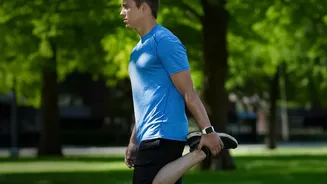
Your routine shouldn't end the moment you stop running. If you get caught in a late-season shower, change out of wet clothes as soon as possible to help your body temperature normalise. Rehydrating is also key, especially in the lingering humidity. A warm drink or soup can help you warm up and rehydrate simultaneously. To help your shoes dry properly without damaging them, stuff them with crumpled newspaper, which effectively absorbs moisture. Finally, a gentle cool-down involving a few minutes of walking and some light static stretches for your calves, quads, and hamstrings can aid recovery and improve flexibility.