




What is a Blue Flag Beach?
The Blue Flag is a globally recognised eco-label awarded by the Denmark-based Foundation for Environmental Education (FEE). This certification is not just about a pretty shoreline; it is a mark of excellence given only to beaches, marinas, and tourism
boats that meet a strict set of criteria. To earn the tag, a beach must demonstrate high standards across four main pillars: environmental education and information, bathing water quality, environmental management, and safety and services. This involves everything from regular water quality testing to ensure it is safe for swimming, to proper waste management, protection of local ecosystems, and the presence of lifeguards and first-aid facilities. The certification is awarded for one season at a time, ensuring that these high standards are consistently maintained.
Guhagar: A Crown Jewel of the Konkan
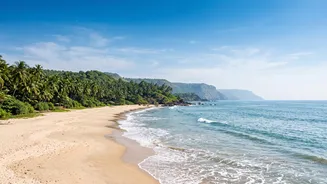
Nestled in Ratnagiri district, Guhagar Beach has long been a hidden gem. This long, six-kilometre stretch of white sand is fringed by beautiful Suru (casuarina) trees, creating a serene and picturesque landscape. Before its Blue Flag recognition, Guhagar was already known for its clean, less-crowded atmosphere, making it a perfect escape for those seeking peace and natural beauty. Its recent certification for the 2026-27 season, along with Ladghar and Shrivardhan beaches, marks Maharashtra's first entry into this elite global club, putting a spotlight on the state's efforts in sustainable tourism.
Why Guhagar Earned Its Flag
Guhagar's journey to Blue Flag status is a testament to its commitment to environmental stewardship. The beach was recognised for its pristine white-sand shoreline and the strict local upkeep that maintains its clean bathing waters. The area's low-impact tourism infrastructure was also a key factor. The certification confirms that the beach meets stringent international benchmarks for water quality, biodiversity conservation, cleanliness, and tourist safety. This achievement is part of a national push under the Beach Environment & Aesthetics Management Services (BEAMS) program, which aims to develop and maintain sustainable beach environments across India. With this award, Guhagar is now part of an exclusive group of 22 Blue Flag beaches in the country.
Planning Your Visit to Guhagar
Reaching Guhagar is a scenic journey in itself. The nearest major town and railway station is Chiplun, located about 40 kilometres away, with good connectivity to Mumbai and Pune. From Chiplun, taxis and buses are readily available. For those driving, the routes along the Konkan coast offer breathtaking views of the mountains and sea. The best time to visit is during the winter months, from November to February, when the weather is pleasant. While water sports like jet skiing and banana boat rides are available, the calm waters are also perfect for a simple swim. Don't miss out on the local Konkani cuisine, especially the fresh seafood and sol kadhi.
Exploring Beyond the Beach
While the beach is the main attraction, the town of Guhagar and its surroundings have much to offer. Visit the ancient Vyadeshwar Temple, a serene place dedicated to Lord Shiva located in the heart of the town. A short drive away is the Hedvi Ganesh Temple, home to a unique ten-armed idol of Lord Ganesha carved from marble. Nearby, you can also explore Velneshwar Beach and its historic temple. For a panoramic view of the coastline, a trip to the Anjanvel Lighthouse is highly recommended. These local sights provide a rich cultural and spiritual dimension to your coastal vacation.