



A Necessary and Prudent Pause
From July to September, the gates to the core zones of most of India's major wildlife sanctuaries and national parks, like Ranthambore, Corbett, and Kanha, are closed to the public. This annual hiatus is a well-considered strategy driven by two key factors:
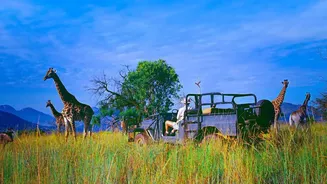
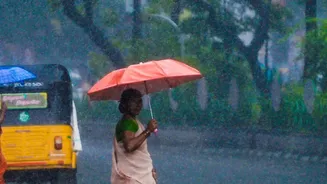
safety and conservation. The torrential rains make the unpaved mud tracks within the forests treacherous and often impassable, posing significant risks to visitors and safari vehicles. More importantly, this closure provides a much-needed respite from human activity, allowing the ecosystem to undergo a period of profound renewal without disturbance.
Nature's Grand Renewal
The monsoon is the lifeblood of the forest. The rains replenish rivers, lakes, and streams, recharging groundwater tables that will sustain the park through the dry months ahead. This surge of water triggers a dramatic transformation; the parched summer landscape erupts into a vibrant spectacle of green. Trees sprout new leaves, the understory thickens with ferns and grasses, and wildflowers carpet the forest floor. This lush vegetation is crucial for the health of the ecosystem, as it prevents soil erosion and cycles essential nutrients that support the entire food web. Even the forest floor comes alive, with fungi and mushrooms playing their vital role in decomposition and nutrient recycling.
A Time for New Life and Less Stress
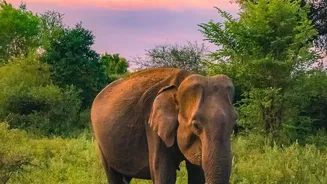
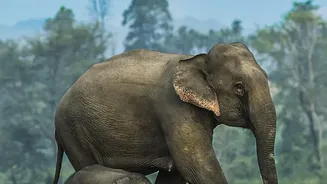
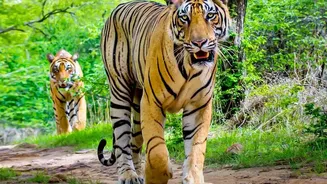
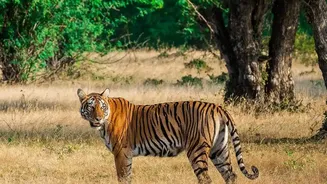
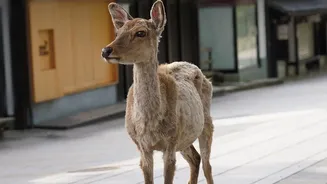
For the animal kingdom, the monsoon is a period of abundance and privacy. The season coincides with the breeding and mating cycles of many species, including tigers, leopards, and various birds. The absence of tourist vehicles and human chatter creates an undisturbed environment, which is critical for successful rearing of young. With food and water plentiful, animals do not need to travel far, reducing stress on their bodies. The dense foliage provides excellent cover, giving prey animals a better chance to evade predators and mothers a safe space to nurture their offspring. Mammals like elephants and deer are often seen revelling in the newly filled water bodies.
Behind the Scenes: Repair and Recovery
The closure period is also a crucial time for park authorities to carry out essential maintenance that is impossible during the busy tourist season. Forest departments use these months to repair roads and bridges damaged by both the rains and a full year of safari traffic. They mend fences, update signage, and conduct anti-poaching patrols more effectively without the constant flow of visitor vehicles. This administrative downtime ensures that when the parks reopen, the infrastructure is safe, secure, and ready to welcome visitors for another season.
The Curtain Rises on a Lush Paradise
By the time the parks begin to reopen, typically from the beginning of October, the transformation is complete. Visitors are greeted by a forest that is lush, vibrant, and bursting with life. The air is clean, the dust has settled, and the landscapes are spectacularly green. This post-monsoon period offers some of the best opportunities for wildlife photography and sightings. The rejuvenated ecosystem ensures that the animals are healthy and active, providing the incredible safari experiences that wildlife enthusiasts eagerly await all year. It is a powerful reminder that the silent, rainy months are the secret behind the magic of the safari season.