


From Festive Guilt to Gut-Friendly
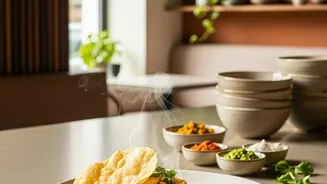
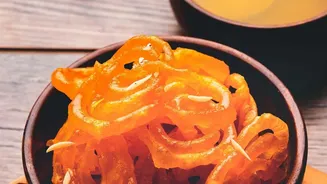
The familiar narrative around festival food is one of temporary abandon—a season of feasting on fried snacks and rich sweets, often followed by a period of digestive regret. Celebrations like Diwali, Eid, and Holi have always been synonymous with abundance.
However, a cultural shift is underway. As wellness conversations increasingly focus on gut health, many are looking at these traditional plates with fresh eyes. What was once dismissed as simply 'heavy' is now being appreciated for its inherent, and often intentional, digestive properties. This isn't about restriction; it's a rediscovery of the balance that was always built into our culinary heritage.
The Ancient Wisdom of Fermentation
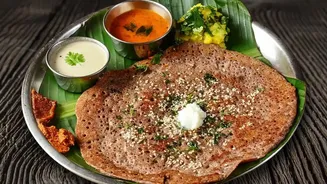
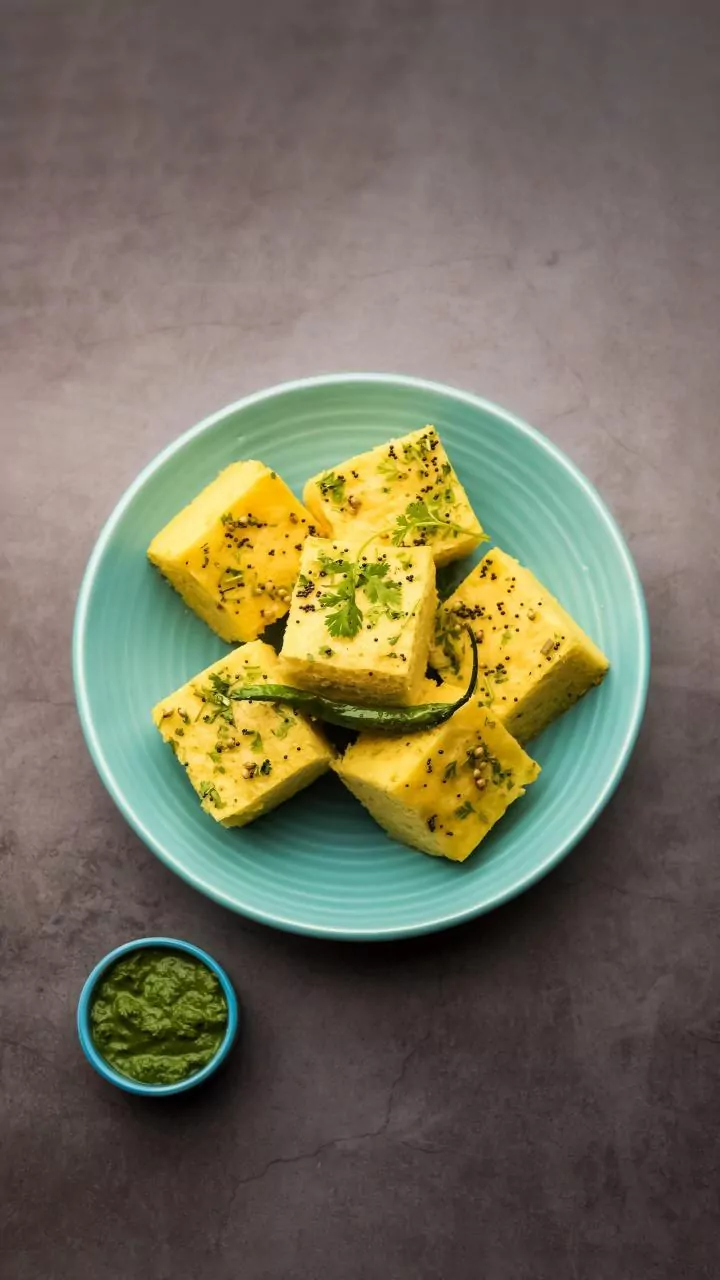
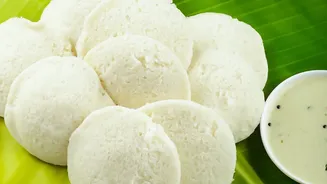
Long before probiotics became a buzzword, Indian kitchens were masters of fermentation. This ancient preservation technique not only enhances flavour but also makes food easier to digest and populates the gut with beneficial bacteria. Many of these fermented foods are staples during celebrations. Dahi, or curd, is a prime example, forming the base of cooling raitas and soothing curd rice that balance the heat of spicy dishes. Buttermilk, or chaas, often spiced with ginger and cumin, is a popular digestive aid served alongside heavy meals. Even the batter for soft idlis and crisp dosas undergoes fermentation, making them light on the stomach. This tradition of consuming live foods has been an intuitive part of Indian diets for centuries.
Celebrations with a Probiotic Twist
Specific festivals have their own unique gut-friendly offerings. During Holi, for instance, many North Indian families prepare Kanji, a tangy, probiotic-rich drink made from fermented black carrots and mustard seeds. It's a seasonal tonic designed to cleanse the gut and prepare the body for the changing season. In Odisha, the Prathamastami festival features Enduri Pitha, a steamed cake made from a fermented batter of rice and black gram. These aren't just incidental details; they are examples of a deeply ingrained food philosophy that pairs celebration with mindful nourishment.
The Supporting Role of Spices
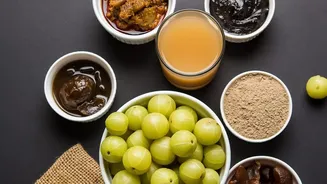
Beyond fermentation, the soul of Indian festive cooking lies in its masterful use of spices—and they do more than just add flavour. Many traditional recipes are built on Ayurvedic principles, using spices to balance rich ingredients. Ginger is widely used to aid digestion and reduce nausea. Cumin is known to decrease bloating, while turmeric offers powerful anti-inflammatory benefits. Even asafoetida (hing), a pungent resin, is frequently added to lentils and vegetable dishes to make them easier on the digestive system. These spices act as a subtle support system, allowing for indulgence without the discomfort.
A Modern Rediscovery
Today, this ancestral knowledge is finding a new, appreciative audience. Nutritionists and food bloggers are increasingly highlighting the benefits of traditional eating patterns, encouraging people to embrace rather than avoid these festive foods. The conversation is shifting from calorie-counting to holistic wellness, focusing on how food makes us feel. This modern lens helps us see that the 'comfort' in comfort food isn't just emotional; it's physiological. The fibre from lentils, the probiotics from curd, and the healing properties of spices all contribute to a feeling of well-being that starts in the gut.