



The Undisputed Champions of Low-Care
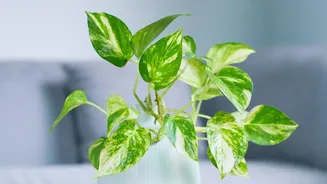
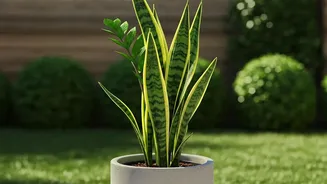
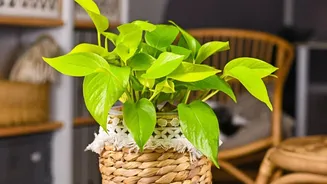
The primary appeal of both the Snake Plant (Dracaena trifasciata) and Pothos (Epipremnum aureum) is their remarkable resilience. They are famously forgiving, making them ideal for beginners, busy students, or anyone who thinks they don't have a 'green
thumb'. Their low-maintenance nature stems from their ability to tolerate a wide range of conditions. Both plants can handle infrequent watering; in fact, they prefer their soil to dry out between drinks, which protects them from root rot, one of the most common houseplant ailments. This adaptability means you can go on a short holiday without worrying about returning to a wilted tragedy. They don't demand constant attention, allowing you to enjoy their beauty without the stress of a complicated care routine.
Thriving in Less-Than-Ideal Light
Bedroom studies and desk corners are not always blessed with bright, sunny windows. This is where Snake Plants and Pothos truly shine. Both are well-known for their ability to tolerate low-light conditions. While they grow best in bright, indirect light, they can survive and even maintain their attractive appearance in dimmer parts of a room. This makes them incredibly versatile. A Pothos can be placed on a bookshelf far from a window, and a Snake Plant can thrive in a corner that receives minimal natural light. This tolerance removes the biggest obstacle for many who want to add greenery to their workspaces but lack the perfect sunny spot.
Natural Complements to Modern Design
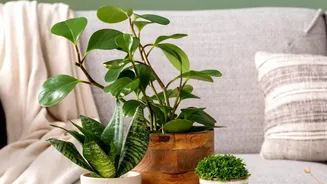
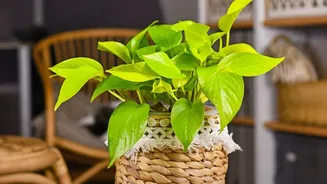
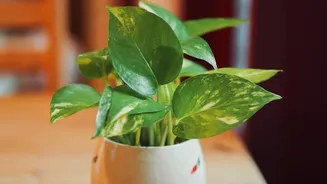
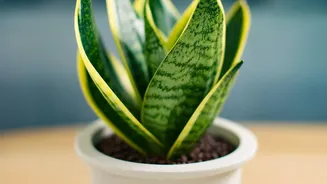
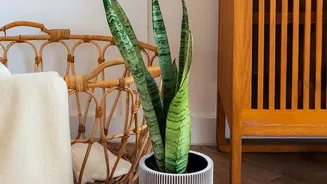
Aesthetics matter, especially in a space designed for focus and rest. The Snake Plant and Pothos fit seamlessly into modern interior design. The Snake Plant is celebrated for its strong, architectural form. Its upright, sword-like leaves provide a clean, vertical element that complements minimalist and contemporary styles. It acts as a living sculpture, adding structure and a pop of colour without creating visual clutter. In contrast, the Pothos offers a softer touch. Its vining, trailing leaves can cascade gracefully from a hanging planter, drape over the edge of a desk, or climb up a small trellis. This versatility allows you to play with levels and add a dynamic, organic feel to an otherwise linear space, making the room feel more alive.
A Boost for Wellness and Focus
Bringing plants into your workspace is more than just a decorative choice; it can positively impact your well-being. Studies have shown that the presence of indoor plants can help reduce stress and anxiety, creating a calmer environment conducive to concentration. Simply being around greenery can have a restorative effect, helping to lower blood pressure and improve your mood. While you work or study, these plants silently contribute to a more serene and productive atmosphere. This connection to nature, even on a small scale, can combat the sterile feeling of a typical office setup and reduce mental fatigue.
A Note on Air Purification
One of the most talked-about benefits of Snake Plants, in particular, is their air-purifying ability, a claim largely based on a 1989 NASA Clean Air Study. This study found that certain plants could remove common household toxins like formaldehyde and benzene from small, sealed environments. The Snake Plant is also unique because it releases oxygen at night, unlike most other plants. While these plants do contribute to cleaner air, it's important to have realistic expectations. In a normal, ventilated room, you would need a very large number of plants to replicate the results of the NASA lab. Think of the air-purifying quality as a small, added bonus rather than the primary reason to own them.