
1. Say Farewell to the Perseids
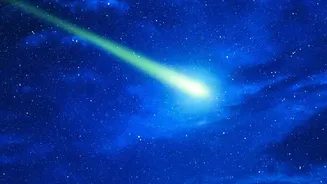
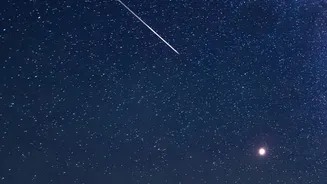
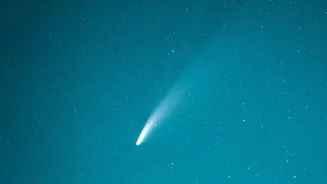
The Perseid meteor shower, one of the best of the year, peaked around August 12-13. While the main event is over, you might still catch a few stray shooting stars in the last week of August. These meteors are pieces of debris left behind by the comet
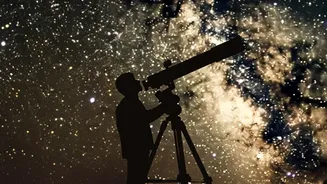
Swift-Tuttle. For your best chance, find a dark location away from city lights, let your eyes adjust for about 30 minutes, and look towards the northeastern sky. While the peak can offer 50-100 meteors per hour, any stragglers you spot are still a magical end-of-summer treat.
2. Greet the Evening Planets: Venus and Saturn
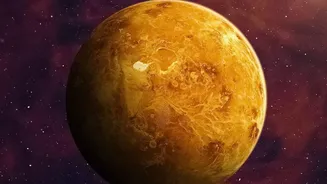
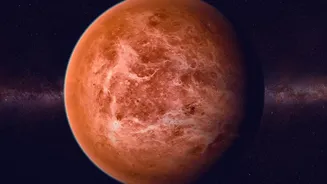
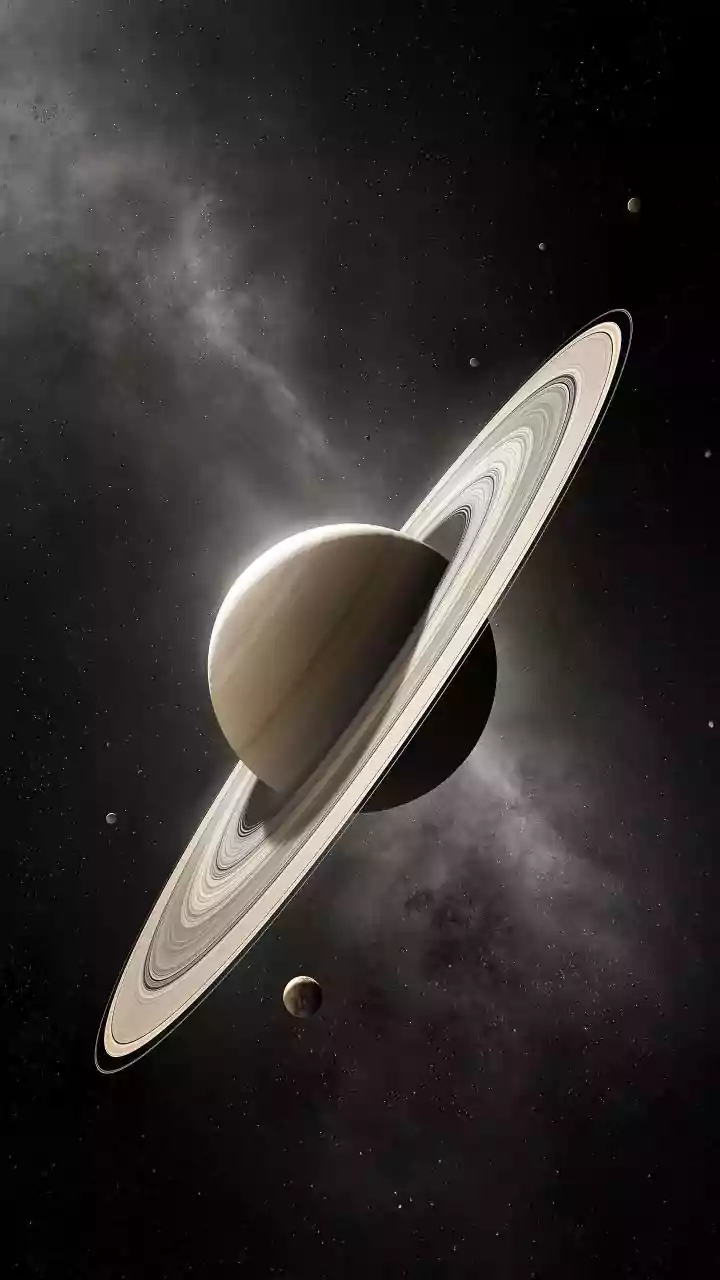
Two bright planets are putting on a show in the evening sky. Venus, the brightest object in the sky after the Sun and Moon, is a dazzling beacon in the west right after sunset. You can't miss its brilliant, steady light. Meanwhile, the ringed planet Saturn is rising earlier each evening. At the start of the month it rose around 11 PM, but by the end of August, you can spot it in the eastern sky as early as 9 PM. It will appear as a yellowish, steady point of light in the constellation Pisces. While its famous rings require a telescope, its golden glow is a beautiful sight for the naked eye. The planet is building towards its opposition in early October, when it will be at its biggest and brightest for the year.
3. Catch the Morning Planets: Mars and Jupiter
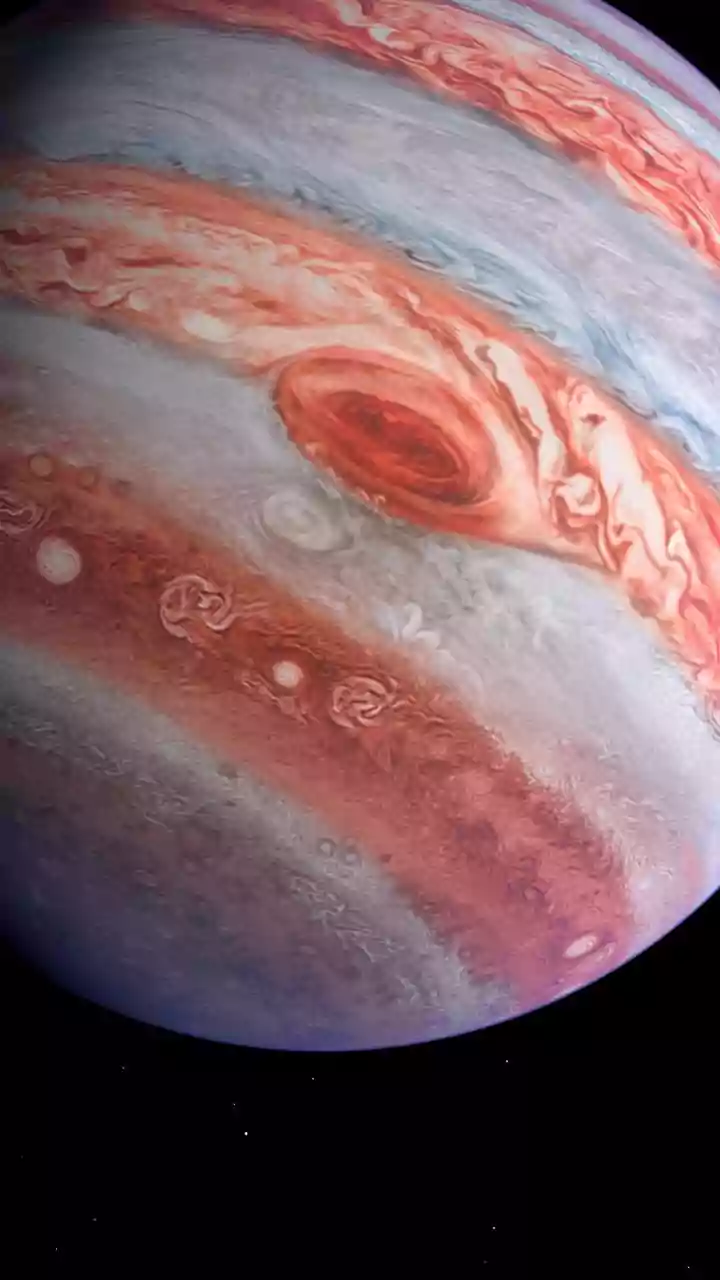
If you're an early riser, the pre-dawn sky has its own rewards. Reddish Mars is climbing higher in the east before sunrise, making it an increasingly easy target to spot. It will be moving through the constellation Gemini. Joining Mars is the giant of our solar system, Jupiter. The gas giant rises in the east shortly before dawn. Though it will be low on the horizon, its brightness makes it stand out in the morning twilight. A planetary alignment in mid-August featured six planets, and Mars and Jupiter remain the most prominent morning fixtures as the month concludes.
4. Watch a Near-Total Lunar Eclipse
Perhaps the biggest celestial event for the end of the month is a deep partial lunar eclipse on the night of August 27-28. This event will be visible across North and South America. At its peak, the Earth's darkest shadow, the umbra, will cover about 96% of the Moon's surface. This will make it look almost like a total lunar eclipse, with most of the Moon likely glowing a coppery red while a sliver remains brightly lit. The event begins in the evening on August 27 and reaches its maximum around midnight for observers on the East Coast of North America. It’s a must-see event to close out the month's skywatching.
5. Admire the Summer Triangle
High overhead in the evening sky, you'll find a giant asterism (a pattern of stars that isn't a formal constellation) known as the Summer Triangle. It’s composed of three bright stars from three different constellations: Vega in Lyra (the Lyre), Deneb in Cygnus (the Swan), and Altair in Aquila (the Eagle). This stellar landmark is easy to spot even with some light pollution and serves as a great anchor point for exploring the summer Milky Way, which flows right through it. As August ends, the Triangle remains a dominant and beautiful feature of the night.