






A New Economic Geography
The long-held belief that premium consumption is exclusive to cities like Mumbai, Delhi, and Bengaluru is rapidly becoming outdated. [2, 4] A fundamental shift is underway, with Tier 2 and Tier 3 cities such as Jaipur, Lucknow, Chandigarh, Nagpur, and Raipur
emerging as the new frontiers of India's premium market. [4, 6, 12] This isn't a minor trend; it's a structural change. Some reports indicate that non-metro areas now account for over half of sales for certain luxury e-commerce platforms. [5, 9] This growth is not just in fashion but spans across categories, including high-end automobiles, premium real estate, and even top-shelf spirits, outpacing growth in the traditional metro markets. [9, 12, 3]
The Engines of Aspiration
Several powerful forces are converging to fuel this boom. The most crucial factor is rising disposable income, which has seen remarkable growth across the country, bridging the urban-rural divide. [13] This economic empowerment is amplified by unprecedented digital access. Thanks to affordable smartphones and widespread internet penetration, a consumer in a smaller town now has the same exposure to global trends, influencer reviews, and online stores as their metro counterparts. [2, 4] Social media has flattened the aspiration curve, creating a nationwide audience for premium brands and experiences. [4] This digital fluency has created a new consumer who is informed, globally aware, and actively seeking to upgrade their lifestyle. [6, 8]
Brands Follow the Money
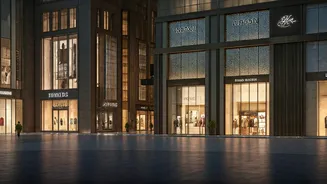
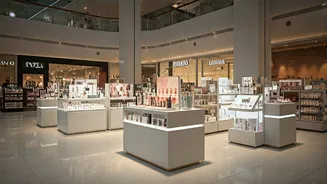
Sensing this seismic shift, brands are recalibrating their strategies. The approach is twofold: digital and physical. E-commerce platforms like Tata Cliq Luxury and Ajio Luxe have become crucial gateways, allowing international brands to reach customers in towns without physical storefronts. [5, 8] However, the importance of tangible experience remains. In response, brands are establishing physical footprints in these emerging hubs, from standalone stores to presence in new malls. [4] This omnichannel strategy is vital, as many consumers in these markets prefer to research online but complete the purchase in a physical store where they can touch and feel the product. [4] To make premium products more accessible, companies are also employing smart pricing strategies, like offering smaller, more affordable pack sizes that allow first-time users to try a premium product at a lower entry price. [2]
The New Face of the Premium Consumer
The consumer in these cities is not a passive recipient of trends but an active, discerning buyer. They are often part of the 'HENRY' demographic—High Earners, Not Rich Yet—a growing cohort of professionals with significant spending power. [5, 7] Unlike traditional luxury shoppers, these new consumers are meticulous researchers, browsing multiple brands and reading reviews before making a decision. [8] Their purchases are often tied to significant life milestones, such as weddings or professional achievements, making them thoughtful and value-oriented. [4] They seek global designs and quality but also expect durability and good service, creating a sweet spot for the 'affordable luxury' and 'bridge-to-luxury' segments. [4, 6]