


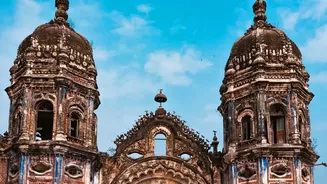
Mandu's Monsoon Magic
There’s a reason why Mandu was once named ‘Shadiabad’ or the ‘City of Joy’. During the monsoon, from July to September, this historical hilltop fort transforms into a spectacle of nature. The scorching summer heat gives way to pleasant temperatures, and the entire
plateau is covered in a vibrant green blanket. Ancient ruins, once stark against the sky, now play peek-a-boo with floating clouds. The numerous lakes and reservoirs, like Sagar Talao and Munj Talao, fill to the brim, creating breathtaking reflections of the surrounding monuments. This seasonal transformation makes Mandu a paradise for photographers, history buffs, and anyone looking for a serene escape. It’s the time when the city’s architectural marvels feel most alive, whispering tales of their glorious past.
Must-See Monsoon Sights
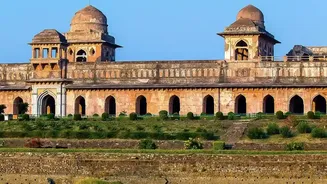
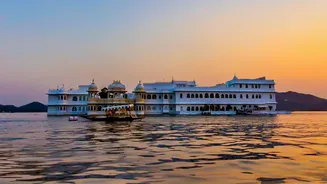
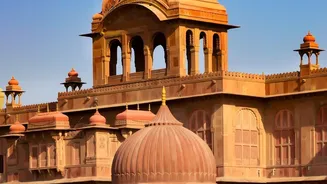
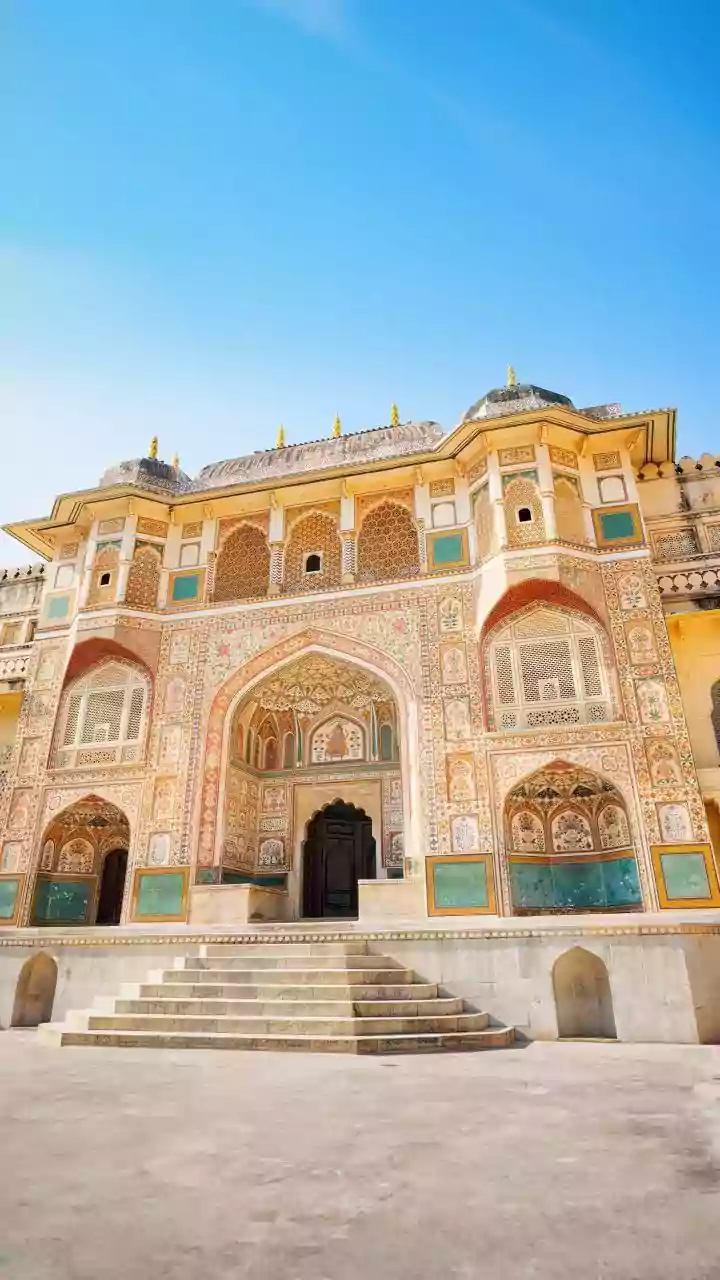
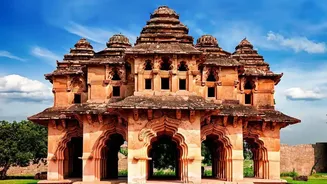
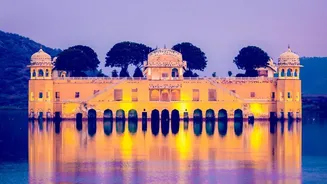
Mandu is a treasure trove of Afghan architecture, and the rains add a layer of romance and mystery to its key attractions. The Jahaz Mahal, or Ship Palace, is a must-visit. This 120-metre-long structure, built between two artificial lakes, truly looks like a majestic ship ready to set sail on the rain-filled waters. Then there's the legendary Rani Roopmati’s Pavilion. Perched on a cliff, it offers mesmerising views of the Narmada river winding through the plains below, a sight that is especially dramatic when the skies are heavy with rain. The story goes that the queen would gaze at the river from these pavilions. Don't miss the adjacent Baz Bahadur’s Palace, Hindola Mahal (the Swinging Palace), and the impressive Jami Masjid. Hoshang Shah's Tomb is another architectural gem, believed to have inspired the design of the Taj Mahal.
Getting There from Indore and Bhopal
The journey to Mandu is part of the adventure, and it’s surprisingly affordable. For travellers from Indore, the closest major city at about 95 km away, the most budget-friendly option is the bus. Frequent buses ply from Indore's Sarwate and Gangwal bus stands to the town of Dhar, which is about 35 km from Mandu. A bus ticket to Dhar costs around ₹100-₹150. From Dhar, you can easily find shared jeeps or local buses to complete the journey to Mandu. The entire trip from Indore can be done in under three hours. For those coming from Bhopal, which is approximately 285 km away, the most economical route is to take a train or bus to Indore first and then proceed by bus to Mandu. Driving is also a great option, as the roads are generally in good condition and the scenery becomes increasingly beautiful as you approach the Vindhya Range.
Affordable Stays and Local Flavours
Mandu caters to all kinds of travellers, with plenty of options for those on a tight budget. The monsoon is considered the off-season, which means accommodation rates can be 20-30% lower than during the peak winter months. You can find guesthouses and budget hotels with rooms starting from as low as ₹800 per night. For a reliable and well-located stay, the MP Tourism-run Malwa Resort and Malwa Retreat are popular choices. When it comes to food, exploring the local dhabas and street food stalls is a must. Don't leave without trying regional specialities like 'dal paniya', which is similar to dal baati, and the classic Indori breakfast of poha and jalebi, which can be found for as little as ₹20-₹30. You can also find juice from the fruit of the native Baobab trees, a unique local experience.