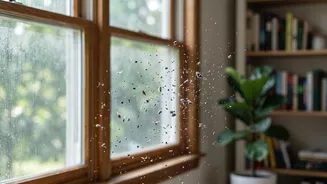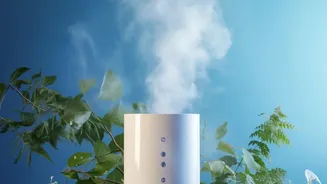






We obsess over outdoor air quality, but the greatest threat may already be inside. Studies show indoor air can be two to five times more polluted than the air outside, creating a hidden 'smog' that impacts our health in ways we're just beginning to understand.
The Great Indoors Isn't So Great
The assumption that closing our doors shields us from pollution is a dangerous myth. In reality, our homes trap and concentrate pollutants from both outside and inside sources. While outdoor smog is a visible enemy, indoor smog is an invisible cocktail of particles and gases that we live and breathe in for up to 90% of our day. This prolonged exposure can lead to a range of health issues, from irritation of the eyes and throat to more severe conditions like asthma, heart disease, and other respiratory illnesses. The very places we consider our sanctuaries can become hotspots for airborne contaminants.
Decoding Indoor Smog: Particles and Gases
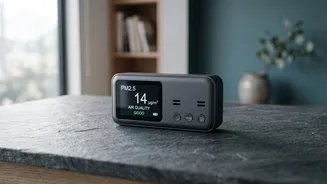
Indoor smog is a complex mixture. A major component is Particulate Matter (PM2.5) — fine particles less than 2.5 microns in size that can penetrate deep into our lungs and enter the bloodstream. These come from cooking, burning incense or candles, and outdoor pollution that seeps in. The other culprit is a group of gases called Volatile Organic Compounds (VOCs). These are emitted by thousands of everyday products, including paints, cleaning supplies, new furniture, air fresheners, and even cosmetics. Chemicals like formaldehyde and benzene can off-gas for weeks or months, creating a constant, low-level chemical exposure.
The Sources Hiding in Plain Sight
The sources of indoor pollution are woven into the fabric of daily life in India. High-heat cooking, like preparing a tadka, can cause PM2.5 levels to spike dramatically. The frequent use of agarbatti (incense sticks) and dhoop releases a combination of particulate matter and VOCs. Cleaning agents, aerosol sprays, and disinfectants add another layer of chemicals to the air. Even new furniture, carpets, and a fresh coat of paint contribute by off-gassing VOCs, that new-smell aroma is often a sign of chemical release. Combined, these everyday activities create a persistent state of indoor pollution.
Why Opening a Window Isn't Enough
Natural ventilation by opening windows seems like an obvious solution, but it has significant drawbacks. In many Indian cities, the outdoor air is already heavily polluted, so ventilating your home can invite more pollutants inside. Furthermore, many modern apartments are designed to be sealed for energy efficiency, which traps internally generated pollutants. Using exhaust fans in kitchens and bathrooms helps, but it is not sufficient to manage the constant, lowlevel emissions from furniture, cleaning products, and other sources throughout the home. This is where the need for a more robust, 'active' approach becomes clear.
Active vs. Passive Purification
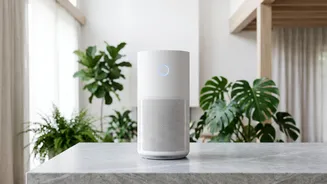
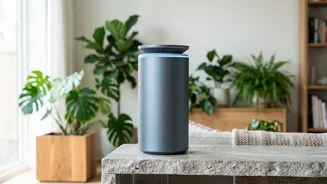
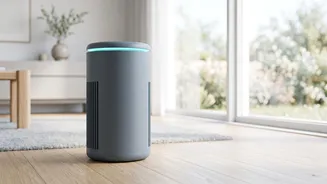
Air purification methods can be broadly categorised as passive or active. Passive methods include plants or simple ventilation; they are reactive and have limited effect on the full range of indoor pollutants. Active purification, by contrast, uses a machine to proactively pull in the air from a room, force it through a filtration system, and circulate clean air back out. While passive approaches might trap some larger particles, they are ineffective against microscopic PM2.5 and the gaseous VOCs that constitute a large part of indoor smog. An active system is designed to continuously process large volumes of air to remove these hidden threats.
The Technology That Cleans Your Air
Modern active air purifiers typically use a multistage filtration process. The cornerstone is the HEPA (HighEfficiency Particulate Air) filter, a dense web of fibres that mechanically captures 99.97% of particles like dust, pollen, mould spores, and PM2.5 from cooking smoke. However,' HEPA filters cannot capture gases.' For that,' purifiers use an activated carbon filter.' This is a highly porous material that works through a process called adsorption,' where gas molecules like VOCs and odours chemically stick to its vast surface area.' This combination of HEPA and activated carbon is essential to tackle both the particle and gas components of indoor smog,' providing a comprehensive solution.