


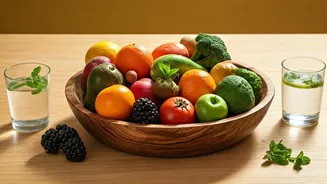


Why Summer Is a Key Time for Heart Health
The shift from aesthetics to wellness is a welcome one. Summer presents a unique set of challenges and opportunities for our cardiovascular system. Rising temperatures can cause dehydration and force the heart to work harder to cool the body. We also
tend to change our routines, often indulging in processed snacks, sugary cold drinks, and high-sodium barbecue meals. This makes a conscious focus on heart health not just a good idea, but a necessary one. Experts now emphasize that the habits we form during these warmer months can have a lasting impact on blood pressure, cholesterol levels, and overall cardiac function. The goal is no longer rapid, restrictive dieting, but building a foundation of nourishing habits that last long after the season ends.
Hydration: Your Heart’s Best Friend
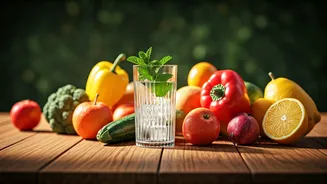
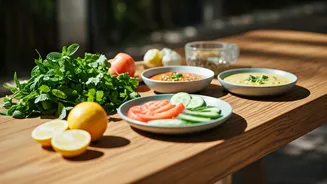
Before you even think about food, think about water. Dehydration is a significant risk factor during summer. When you're low on fluids, your blood volume decreases, forcing your heart to pump harder and faster to circulate blood. This strain can be dangerous, especially for individuals with pre-existing heart conditions. Aim for at least 8-10 glasses of water a day, and more if you're sweating or exercising. But don't stop at plain water. Unsweetened coconut water is an excellent choice, as it's rich in potassium, which helps balance sodium levels and lower blood pressure. Infusing water with cucumber, mint, or lemon adds flavour without calories and provides a small boost of antioxidants. Avoid sugary juices, sodas, and energy drinks, which can contribute to dehydration and add empty calories.
Embrace a Colourful, Seasonal Plate
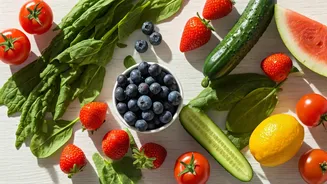
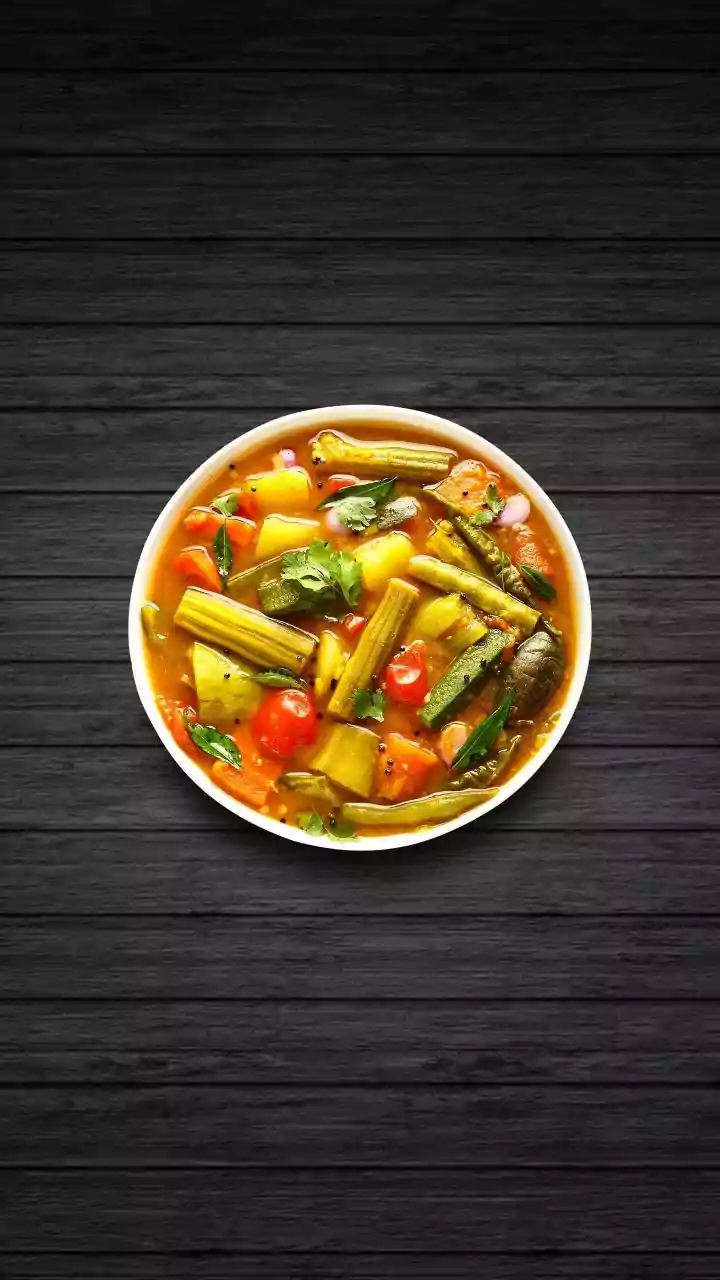
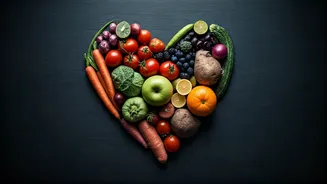
Summer in India offers a spectacular bounty of fruits and vegetables that are perfect for a heart-healthy diet. These foods are packed with vitamins, minerals, fibre, and antioxidants that fight inflammation and protect your heart. Make watermelon, muskmelon, and cucumbers your go-to snacks; their high water content aids hydration, while their potassium helps manage blood pressure. Incorporate leafy greens like spinach and amaranth into your meals. While mangoes are a beloved summer treat, enjoy them in moderation due to their high sugar content. The key is variety. A colourful plate—filled with reds, greens, oranges, and purples from natural foods—is a good sign you’re getting a wide range of heart-protective nutrients.
Beware the Hidden Sodium Traps
Summer gatherings and easy meals can lead to a surge in sodium intake. Packaged chips, processed sauces, frozen snacks, and restaurant meals are often loaded with salt, a major contributor to high blood pressure. High blood pressure puts immense strain on your arteries and heart over time. To combat this, focus on cooking fresh meals at home where you can control the salt shaker. Use herbs, spices, garlic, ginger, and lime juice to flavour your food instead of relying on salt. When you do eat out or buy packaged goods, read the nutrition labels and choose lower-sodium options whenever possible. Simple swaps, like choosing unsalted nuts over salted ones, can make a big difference.
Make Smart Choices with Protein
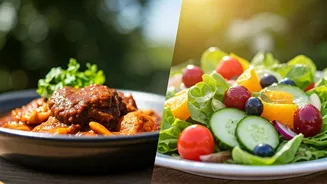
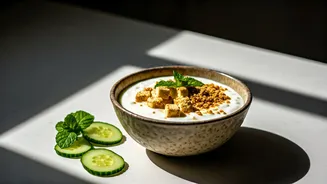
While grilling and barbecues are popular, how you approach them matters. Instead of processed or high-fat red meats, opt for leaner proteins. Fish, particularly fatty fish like salmon or mackerel, are excellent choices as they are rich in omega-3 fatty acids, which are known to reduce inflammation and improve heart health. Chicken breast without the skin is another lean option. For vegetarians, paneer, tofu, and legumes like chickpeas and lentils are fantastic protein sources that can be grilled or added to salads. Pay attention to your marinades as well. Many store-bought versions are high in sugar and sodium. A simple homemade marinade with yogurt, herbs, and spices is a much healthier and flavourful alternative.