


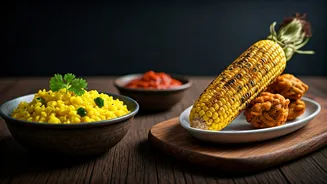


What Is a Monsoon Bowl?
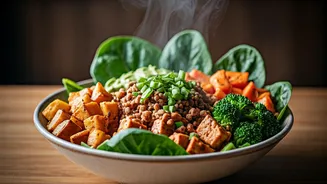
Think of the Monsoon Bowl as the smarter, cosier cousin of the salad bowl. It’s a warm, nourishing, all-in-one meal designed specifically for this season. Unlike cold, raw salads which Ayurveda suggests can be tough on a sluggish monsoon-season digestive
system, these bowls are built around warm, cooked, and easily digestible components. They combine the heartiness of a traditional meal with the balanced nutrition of a modern 'Buddha bowl', all while keeping the unique needs of the season in mind. It's not about bland 'health food'; it's about layering flavours, textures, and immunity-boosting ingredients into one satisfying dish that feels like a hug from the inside.
The Shift from Pakoras to Power Bowls
For generations, the monsoon has been synonymous with crispy pakoras, bhajiyas, and samosas, enjoyed with a steaming cup of chai. While these treats are undeniably delicious and drenched in nostalgia, they often leave us feeling heavy, lethargic, and bloated. During the monsoon, our metabolism tends to slow down, and the humidity can weaken our digestive fire. Heavy, oily foods can put extra strain on our system, contributing to indigestion and low energy. The Monsoon Bowl emerges as a direct response to this. It acknowledges the craving for warmth and comfort but delivers it in a way that energises rather than drains, providing essential nutrients that help bolster immunity when we're most susceptible to seasonal sniffles and infections.
Anatomy of the Perfect Bowl
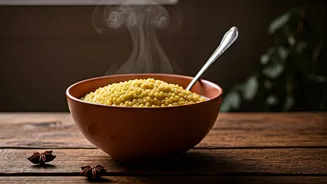
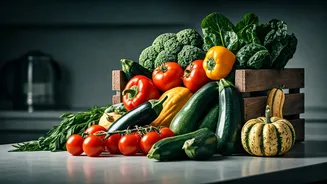
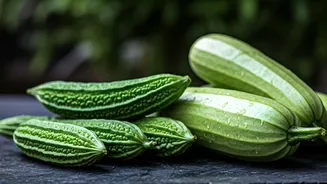
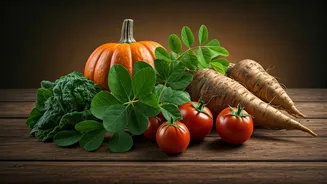
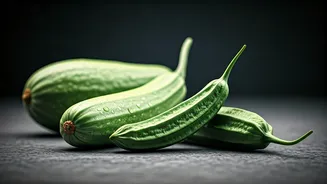
The beauty of the Monsoon Bowl lies in its customisability. There’s no strict recipe, only a simple formula that allows you to build your perfect meal based on what you have and what you love. Think of it in layers: 1. **The Grain Base:** Start with a foundation of warm, cooked whole grains. Millets like foxtail or jowar are excellent choices, as are quinoa, brown rice, or red rice. They provide sustained energy and fibre. 2. **The Protein Punch:** Add a generous portion of protein. Think dal, chickpeas, kidney beans, or sprouted moong. For non-vegetarians, shredded chicken, a boiled egg, or grilled paneer work wonderfully. 3. **The Veggie Medley:** Lightly steamed, roasted, or sautéed vegetables are key. Opt for seasonal choices like bottle gourd (lauki), pumpkin, carrots, beans, and leafy greens like spinach. Roasting them with a pinch of turmeric and black pepper enhances their anti-inflammatory properties. 4. **The Healing Broth or Dressing:** This is what ties it all together. A light, warm broth made with ginger, turmeric, and a dash of lemon is both flavourful and healing. Alternatively, a light dressing made from yoghurt with mint and cumin, or a simple tahini-lemon drizzle can add creaminess and zest.
Three Ideas to Get You Started
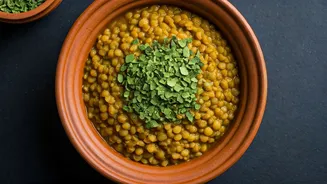
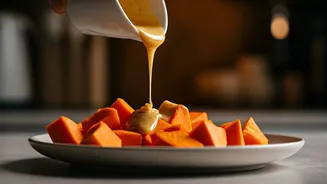
Need some inspiration? Here are three simple concepts to try: * **The Golden Turmeric Bowl:** Start with a base of quinoa. Top with roasted pumpkin, chickpeas, and steamed spinach. Pour over a warm broth made by simmering water with fresh grated turmeric, ginger, and black pepper. Garnish with toasted pumpkin seeds. * **The Spiced Lentil & Millet Bowl:** Use foxtail millet as your base. Top with a hearty scoop of masoor dal, sautéed carrots and beans, and a dollop of plain yoghurt. Sprinkle with roasted cumin powder for a smoky finish. * **The Creamy Coconut & Veggie Bowl:** Cook brown rice and top with vegetables like broccoli and bell peppers lightly simmered in a thin coconut milk curry, flavoured with garlic and a pinch of garam masala. This gives you the comfort of a curry in a lighter form.