




From Monuments to Moments
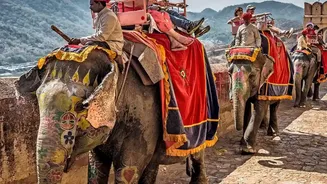
For decades, tourism in India was defined by its incredible landmarks: the Taj Mahal, the forts of Rajasthan, the temples of the south. But a significant shift is underway. Travellers, particularly younger demographics, are increasingly prioritising immersive
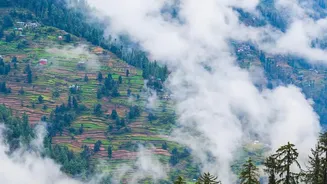
experiences over passive sightseeing. Instead of just collecting photos of monuments, they are seeking meaningful moments—the quiet thrill of a bird call in a dense forest, the taste of farm-fresh food, or the simple joy of a trek through misty hills. This evolution marks a move from a 'see' to a 'feel' mentality, where the goal is no longer just to visit a place, but to form a genuine connection with it.
The Post-Pandemic Push for Open Spaces
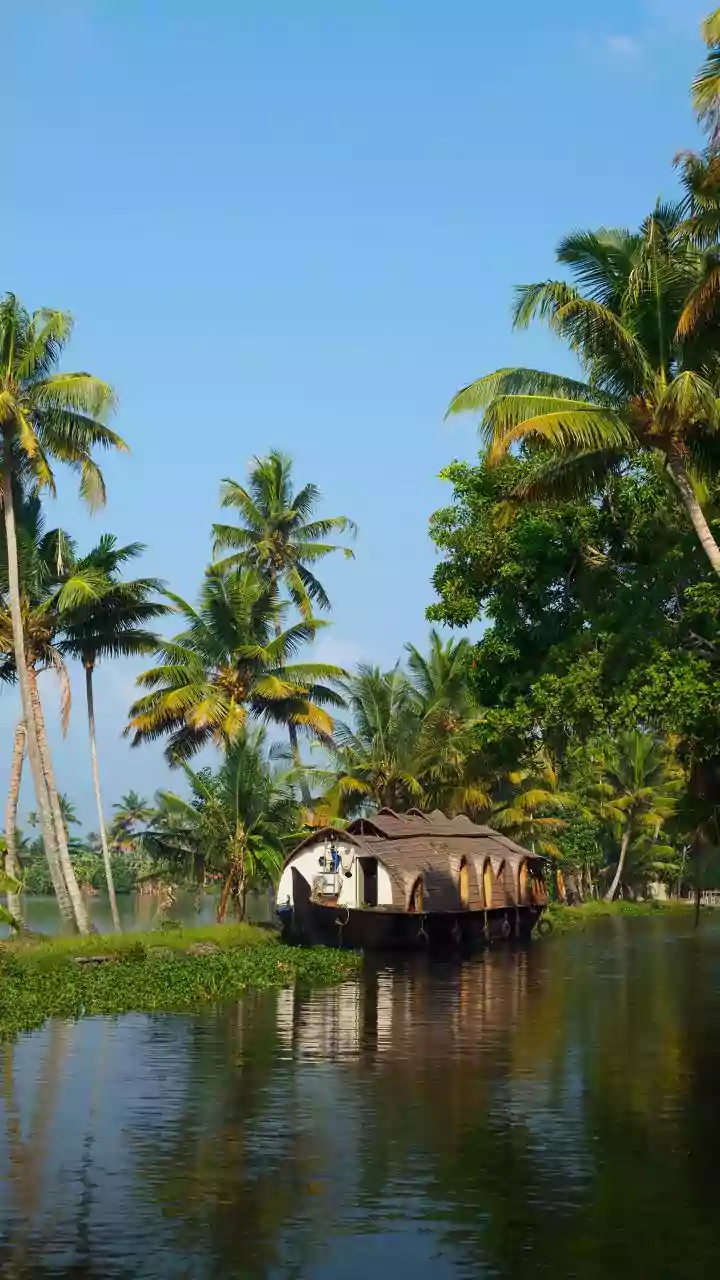
The global pandemic appears to have accelerated this trend, creating a widespread desire to escape urban confinement and reconnect with the natural world. After months of lockdowns and screen time, the appeal of wide-open spaces, fresh air, and mental rejuvenation has grown immensely. This has fueled a boom in domestic travel to national parks, wildlife sanctuaries, and secluded rural areas. Destinations like Jim Corbett in Uttarakhand, Kaziranga in Assam, and Periyar in Kerala are seeing renewed interest. Travellers are actively seeking out holidays that promise a digital detox and a chance to recharge mentally and physically, something they find difficult to achieve at home.
What is Nature-Based Travel?
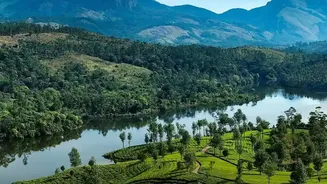
Nature-based travel is a broad term that encompasses various forms of tourism focused on the natural environment. This includes ecotourism, which emphasizes conservation and education; wildlife tourism, which involves observing animals in their natural habitats; and agritourism, where visitors stay on farms and participate in rural life. In practice, it can mean anything from guided treks in the Himalayas and birdwatching tours in the Western Ghats to staying at a coffee plantation in Coorg or an apple orchard in Himachal Pradesh. The common thread is a low-impact, high-satisfaction approach that values authenticity over commercialism and encourages a deeper understanding of the environment.
More Than Just a Pretty View
The benefits of this travel style extend beyond the individual. For travellers, it offers stress reduction, a sense of adventure, and a richer, more authentic cultural experience. For the destinations, it brings a more sustainable economic model. Unlike mass tourism, where revenue often flows to large corporations, nature-based travel tends to support local communities directly through homestays, local guides, and the purchase of regional crafts. This model provides a financial incentive for local populations to conserve their natural and cultural heritage, creating a win-win scenario where tourism helps protect the very ecosystems that attract visitors in the first place.
A Conscious and Growing Movement
This turn towards nature is part of a larger, global 'experience economy,' where people increasingly prefer to spend money on creating memories rather than buying material goods. The Indian wildlife tourism market alone is projected to grow significantly, with some estimates pointing to a 15% annual growth rate. Similarly, agritourism in India is expanding rapidly, with a projected compound annual growth rate of over 17%. As travellers become more environmentally conscious, they are actively choosing destinations and operators that align with their values. States like Sikkim, India's first fully organic state, are becoming models for this new, responsible way of exploring the country.