
The 'Manchester of South India'
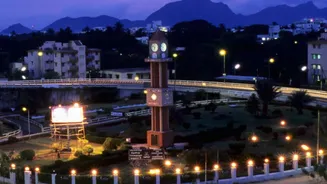
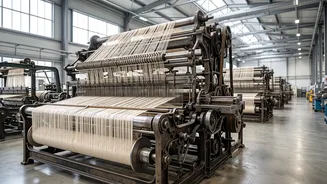
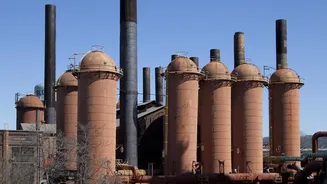
Coimbatore earned its famous nickname, the 'Manchester of South India', for a reason. Its history is deeply intertwined with industry, beginning with a textile boom in the early 20th century fueled by the surrounding cotton fields. This industrial spirit
didn't stop at textiles. Following the arrival of hydroelectric power in the 1930s, the city rapidly diversified into a major engineering hub. Visionaries like G.D. Naidu pioneered the manufacturing of India's first indigenous electric motors to help farmers and mills. This laid the groundwork for a sprawling ecosystem of industries, including foundries, automotive components, and, most famously, motor pumps. Today, this legacy is not just confined to factory floors; it's a story that travellers can explore through dedicated museums and cultural centres that celebrate the city's industrious character.
A Temple to Technology: G.D. Naidu Museum
No industrial tour of Coimbatore is complete without a visit to the G.D. Naidu Museum, a tribute to the city's foremost inventor and industrialist. Often called the 'Edison of India', G.D. Naidu's passion for machines is on full display here. The museum complex includes the Gedee Car Museum, which houses a remarkable collection of vintage and classic cars from around the world, each chosen for its unique engineering. But it's more than just cars. The science museum section features an eclectic array of gadgets and inventions collected by Naidu himself, from early calculators and cameras to the world's first transistor radio and rare computers. The exhibits are interactive and designed to ignite curiosity, making it a fascinating stop for all ages, not just engineering enthusiasts. You can see the evolution of technology up close, a testament to one man's vision and its impact on the city.
The Fabric of the City: Textiles Old and New
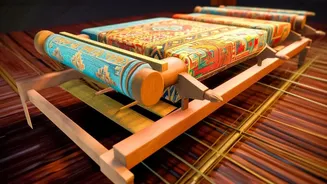
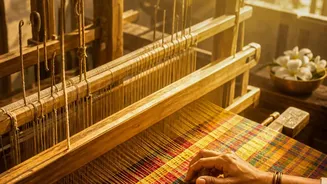
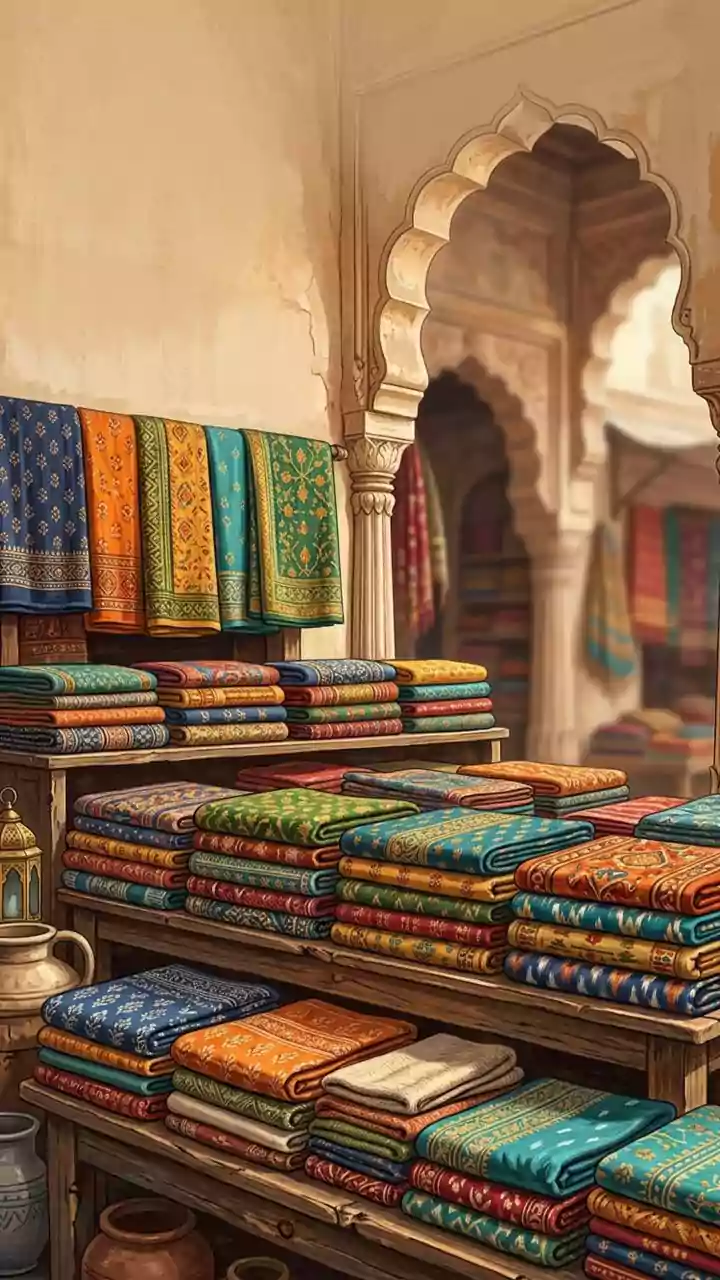
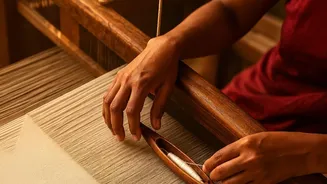
Coimbatore's industrial story began with textiles, and this heritage is beautifully preserved at the Kasthuri Sreenivasan Art Gallery & Textile Museum. Founded by pioneering textile scientist Kasthuri Sreenivasan, the museum offers a comprehensive look at the evolution of the textile industry. One section chronologically details the history of spinning and weaving, from ancient whorl wheels to the Saxony spinning wheel of the 1530s, displayed through models, charts, and actual machines. The collection even includes a 1,000-year-old fabric from a Nigerian cave, highlighting the global history of cloth. Beyond the machinery, visitors can explore a vast collection of traditional Indian art, including Tanjore paintings and bronze sculptures, connecting the industrial craft to its cultural roots. For a more contemporary experience, bustling markets on Oppanakara Street and at the Town Hall offer a chance to purchase local textiles, including the famed Kovai Kora Cotton, which holds a Geographical Indication (GI) tag.
Powering India: The Pump and Foundry Hub
Coimbatore is often called the 'Pump City', and for good reason. It manufactures an estimated 40% of India's pump sets and motors. This industry grew from the initial need for electric motors for agriculture and textiles in the 1930s. While factory tours are not commonly available to the public, you can witness the ecosystem that supports this massive industry. The city is home to over 500 foundries that produce the essential castings for these pumps and a vast range of other products, from automotive components to wet grinders. The wet grinder, another product for which Coimbatore is famous, also received a GI tag for its unique quality and local origin. The sheer scale of this industrial activity, with thousands of small, medium, and large enterprises working in synergy, is a core part of Coimbatore's modern identity. Visiting the city's industrial supply markets provides a ground-level view of this interconnected economy.
The Next Generation of Engineers
The city's industrial prowess is continuously fueled by a dense network of engineering colleges, creating what is known as one of India's most active 'engineering belts'. Institutions like PSG College of Technology, Amrita Vishwa Vidyapeetham, and Dr. Mahalingam College of Engineering and Technology are central to this ecosystem. The close relationship between industry and academia is a defining feature of Coimbatore, with colleges frequently hosting technical symposiums, workshops, and guest lectures by industry professionals. For visitors with a keen interest, it's worth checking the calendars of these institutions or organizations like The Institution of Engineers (India) Coimbatore Centre, which often have events open to the public that showcase the latest in local innovation. This academic vibrancy ensures that Coimbatore's legacy as an engineering city is not just historical but constantly evolving.