




In a landmark moment for India’s cultural landscape, the Bihar Museum in Patna has earned the ninth spot in a global ranking of the world’s best museums, even placing ahead of iconic institutions like the Louvre and The Met. So what makes this museum a world-beater?
A Monumental Achievement
The results are in, and they represent a stunning recognition for Indian heritage. In its 2026 list of the 'World's 100 Best Museums', the Germany-based travel guide 'Worth a Journey' placed the Bihar Museum at number nine. This makes it the only Indian institution on the list and the highest-ranked museum in all of Asia. The ranking places the Patna-based museum ahead of some of the world's most famous cultural landmarks, including New York's Metropolitan Museum of Art (The Met), which ranked tenth, and the Louvre in Paris, which came in at 31st. The top spot was taken by Mexico City's Museo Nacional de Antropología. The director general of the Bihar Museum, Anjani Kumar Singh, expressed pride in the achievement, noting that the vision was always to create a world-class institution. Leaders and prominent figures, like industrialist Anand Mahindra, have hailed the ranking as a 'game changer' that could spark a 'museum renaissance in India'.
Architecture as a Statement
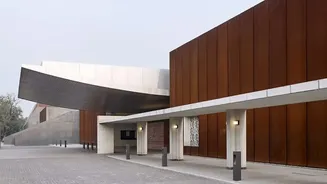
Opened to the public in phases starting in 2015, the Bihar Museum is as much an architectural marvel as it is a repository of history. Designed by the Pritzker Prize-winning Japanese architect Fumihiko Maki in collaboration with the Mumbai-based firm Opolis, the museum is conceived as a sprawling 'campus' spread over 13 acres. Rather than a single monolithic building, the design features a series of interconnected low-slung structures and courtyards. This campus-like layout creates a dynamic experience, integrating the galleries with the natural landscape and inviting visitors to explore. The building's exterior is clad in weathered Corten steel, a material chosen to symbolise India's ancient achievements in metallurgy and its modern standing in the global steel industry. This blend of modern design with elemental materials creates a space that is both contemporary and deeply rooted in its context.
A Journey Through Bihar's Soul
Inside its striking walls, the museum offers a compelling journey through Bihar’s layered past, with artifacts covering the period from ancient times up to 1764. The collection is vast, featuring over 20,000 artifacts, including sculptures, coins, manuscripts, and folk art. The galleries are arranged chronologically, allowing visitors to walk through the rise and fall of great empires like the Mauryas, Guptas, and Palas that once called this region home. The undisputed star of the collection is the Didarganj Yakshi, a 2,300-yearold life-sized statue carved from a single piece of Chunar sandstone. This Mauryan era masterpiece, known for its incredible polish and graceful form, is considered one of the finest examples of ancient Indian sculpture. Other highlights include rare Kurkihar bronzes, terracotta figurines, and collections that showcase the region's Buddhist and Jain heritage.
More Than a Collection of Objects
The Bihar Museum was conceived not just to display objects, but to make history engaging and accessible. It features dedicated spaces for interactive learning, including a vibrant Children's Gallery that explores themes of wildlife, art, and science in a way that captivates younger visitors. The museum also houses a Regional Gallery showcasing local art forms like Madhubani and Tikuli art, and a Bihari Diaspora Gallery that traces the cultural influence of the state beyond its borders. This approach transforms the museum from a passive viewing experience into an active cultural hub. By hosting events and exhibitions, such as the country's first ever Museum Biennale, it has established itself as a living institution dedicated to fostering a connection between the people and their heritage.