
The Meaning of 'Overhyped' in Travel
Before diving into the specific locations, it's worth understanding what 'overhyped' means in today's travel landscape. It's rarely about the place lacking beauty. More often, it's a disconnect between expectation and reality. The term is frequently used
by reviewers to describe destinations where massive crowds, high prices, and heavy commercialization detract from the experience. It’s the feeling of waiting in a long queue for a ten-minute experience, or finding a natural wonder surrounded by tacky tourist traps and overpriced souvenir shops. In an age of social media, where a single perfect photo can set unrealistic expectations, the 'overhyped' label serves as a reality check for travelers.
Niagara Falls: Natural Wonder vs. Tourist Trap
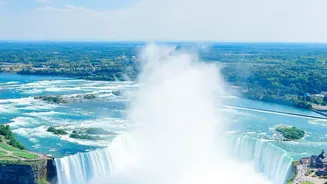
Niagara Falls is consistently cited as a prime example of an overhyped destination. While the raw power of the falls is undeniable, many visitors express disappointment with the surrounding atmosphere. The area of Clifton Hill, in particular, is often described as a 'neon-lit tourist trap' filled with wax museums, haunted houses, and overpriced chain restaurants that feel completely disconnected from the natural spectacle. Critics argue the experience has become more about manufactured entertainment than appreciating nature. For a better experience, some suggest visiting during the off-season, focusing on the surrounding parks and nature trails, or even considering the view from the American side, which some find less commercialized.
The Rockies: Crowds at Lake Louise and Banff
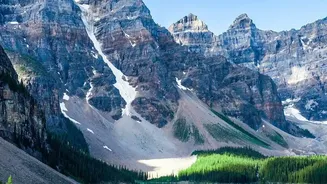
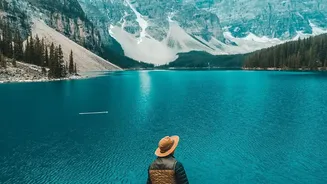
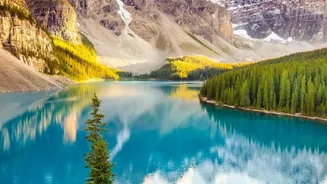
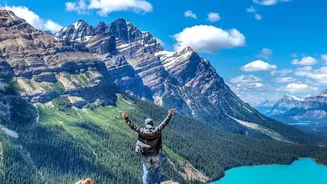
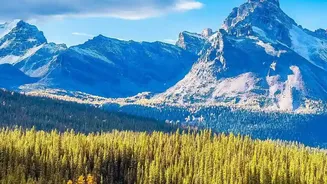
Banff National Park, home to the stunningly blue Lake Louise, has also fallen victim to its own popularity. While the scenery is breathtaking, the reality for many visitors during peak season includes battling for parking, congested trails, and crowds that shatter any hope of a peaceful connection with nature. Lake Louise has become so popular that getting a quiet moment often requires a pre-dawn start. Banff town itself has seen record visitor numbers, leading to traffic jams and a main street that can feel more like a high-end shopping mall than a quaint mountain village. As an alternative, travel experts often point to nearby Yoho National Park or the town of Canmore, which offer similar alpine beauty with fewer crowds.
Vancouver's Bridges and Gardens: A Question of Value
In Vancouver, the Capilano Suspension Bridge is frequently mentioned in discussions about value for money. With high admission fees for what many describe as a short walk, visitors often question the cost, especially when it's crowded. A popular local tip is to visit the nearby Lynn Canyon Park, which offers a similar suspension bridge experience for free. Similarly, Butchart Gardens on Vancouver Island, while beautiful, is criticized for its steep entrance fee, especially when British Columbia offers so much natural garden beauty for free.
The CN Tower: A Pricey Panorama
Toronto's CN Tower is another landmark where the price is a major point of contention. Tickets for the elevator ride to the observation deck are considered costly, and many visitors feel the experience doesn't justify the expense. While the view is panoramic, some argue that equally impressive skyline views can be found for free from places like the Toronto Islands or Humber Bay Arch Bridge, without the long lines and timed entry slots.