





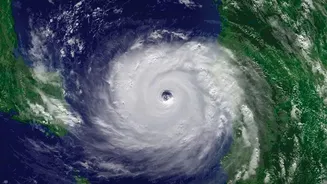


As Cyclone Arnab intensifies and approaches India's eastern coast, transport networks are facing severe disruptions. With landfall expected on October 28, here is a detailed breakdown of the impact on rail, air, and road travel across affected states.
Cyclone Arnab's Path and Intensity
The India Meteorological Department (IMD) has issued alerts for a 'very severe cyclonic storm' named Arnab, which is expected to make landfall along the Andhra Pradesh coast between Bapatla and Visakhapatnam on the morning of October 28. Wind speeds are projected to reach 115-125 kmph, with gusts up to 140 kmph. The primary regions on high alert are coastal Andhra Pradesh and southern Odisha, but heavy rainfall is also anticipated in Telangana, Chhattisgarh, Jharkhand, and West Bengal. Authorities have begun evacuations in low-lying areas and positioned National and State Disaster Response Force (NDRF and SDRF) teams in high-risk districts.
Indian Railways Announces Major Cancellations
Indian Railways has taken extensive precautionary measures, cancelling over 70 train services to ensure passenger safety. The South Central Railway (SCR) and East Coast Railway (ECoR) have announced numerous cancellations, diversions, and short terminations of trains passing through Andhra Pradesh and Odisha. Key affected routes include those connecting Visakhapatnam, Vijayawada, Kirandul, Koraput, and Bhubaneswar, with some cancellations extending into early November. Around 600 km of railway track are under close surveillance, and war rooms have been activated to monitor the situation around the clock. Passengers are strongly advised to check the status of their trains via the NTES app or the enquiry helpline at 139 before starting their journey.
Widespread Disruption to Air Travel
The aviation sector has been significantly hit, with flight operations suspended at Visakhapatnam airport since the afternoon of October 27, and at Vijayawada and Rajahmundry airports from the evening. Major airlines including Air India, IndiGo, and Air India Express have cancelled dozens of flights to and from these airports. Destinations affected by cancellations include Delhi, Hyderabad, Bengaluru, Chennai, and Kolkata. The Ministry of Civil Aviation has reviewed safety preparedness and advised airlines to keep passengers informed about delays and cancellations. Travellers are urged to check their flight status directly with the airline before heading to the airport, as knock-on delays could affect other airports like Hyderabad and Bhubaneswar.
Road Networks and Ports on High Alert
Heavy rainfall is expected to cause waterlogging and flooding, leading to significant disruption of road transport. Traffic restrictions have been imposed on many coastal roads, and authorities have warned that landslides could affect ghat roads in regions like Odisha and Darjeeling. The storm also poses a major threat to maritime activities. Port operations at Visakhapatnam, Gangavaram, and Krishnapatnam are likely to be disrupted. A storm surge of up to 1.5 metres is forecast for low-lying coastal areas near Kakinada and Yanam, making coastal roads especially dangerous. Fishermen have been advised not to venture into the sea, and over 30,000 fishing boats have been brought ashore in Andhra Pradesh.
What Travellers Should Do
Authorities are universally advising against all non-essential travel in the affected regions. If travel is unavoidable, it is critical to stay updated through official channels. For train journeys, use the Indian Railways website or NTES app. For flights, check directly with your airline for the latest information on cancellations and rescheduling. Local disaster management authorities are providing regular updates, and heeding their warnings is crucial for safety. Be prepared for extended delays and have contingency plans in place. With emergency response teams deployed, the focus remains on preventing loss of life and minimizing damage to infrastructure.