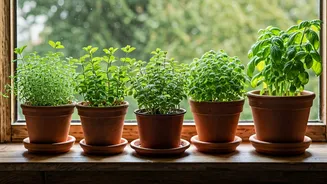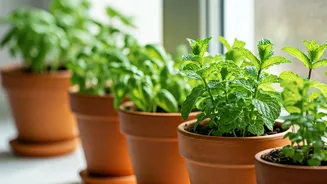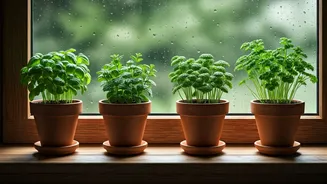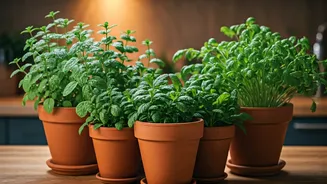




Mint (Pudina)
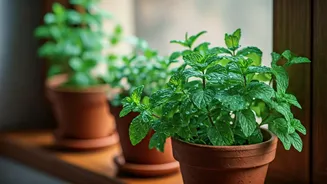
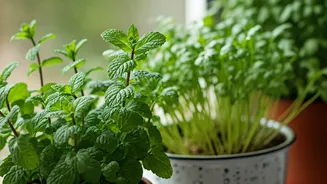
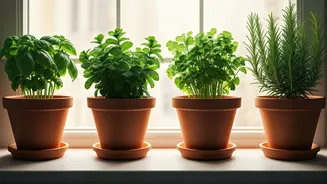
Mint is arguably the easiest herb for a beginner to grow, making it a perfect starting point. Its refreshing aroma and taste are staples in Indian households, essential for everything from pudina chutney and raita to a cooling summer nimbu paani. The
best part is its affordability; you don’t even need to buy seeds. Simply take a few cuttings from a healthy store-bought bunch, place them in a glass of water on a well-lit windowsill, and they will sprout roots in about a week. Once the roots are about an inch long, plant them in a pot with well-draining soil. Mint thrives in spots that get a mix of sun and partial shade and prefers to stay moist but not waterlogged. Keep it in its own pot, as it grows vigorously and can quickly take over other plants.
Coriander (Dhania)
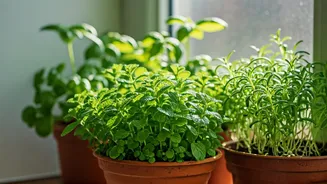
No Indian kitchen is complete without a fresh garnish of dhania. Growing your own ensures you have a constant supply, free from pesticides. Coriander can be grown directly from the whole seeds you already have in your spice box, making it incredibly cost-effective. The key is to use whole, unroasted seeds. For best results, sow the seeds directly into a pot with loose, well-draining soil, as coriander doesn't like being transplanted. Place the pot in a spot that receives plenty of sunlight, like a sunny windowsill or balcony. Keep the soil consistently moist, and you should see sprouts in about 7 to 10 days. The leaves can be ready for harvesting in as little as three to four weeks. Regular harvesting encourages the plant to become bushier, giving you more leaves for your curries, dals, and chutneys.
Holy Basil (Tulsi)
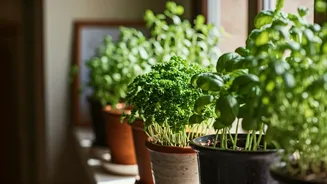
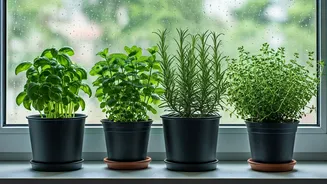
A staple in many Indian homes for both culinary and spiritual reasons, Tulsi is a wonderfully aromatic herb to have on hand. It's known for its medicinal properties and is often used in teas and kadhas to soothe a common cold. While it can be grown from seeds, small starter plants are widely available and very affordable. Tulsi is a sun-loving plant and needs at least four to six hours of sunlight daily to thrive. A south-facing windowsill is an ideal location indoors. It prefers well-drained soil and should only be watered when the top inch of soil feels dry to the touch, as it is susceptible to root rot from overwatering. To encourage a bushier plant, pinch off the tops and remove any flower buds as they appear. This directs the plant's energy into producing more lush, flavourful leaves.
Fenugreek (Methi)
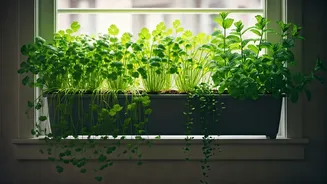
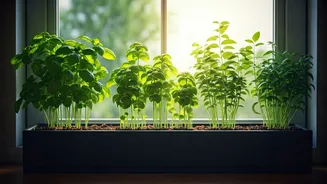
While often thought of as a leafy green, methi is used like a herb and is a surprisingly fast and easy plant to grow on a windowsill, especially as microgreens. Fenugreek microgreens are packed with nutrients and have a mild, slightly sweet, curry-like flavour, perfect for adding to salads, sandwiches, or garnishing dishes. All you need are fenugreek seeds from your kitchen. You can soak the seeds for a few hours to speed up germination. Then, spread them over a shallow tray of soil or even on a damp paper towel. Keep them in a dark place for a couple of days, misting with water to keep them moist. Once they sprout, move them to a bright spot. You can be ready to harvest your own fresh methi microgreens in as little as six to twelve days.