




The Right Pot and Soil Mix
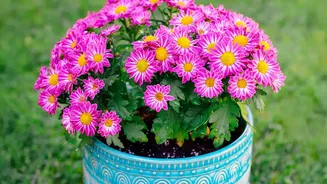
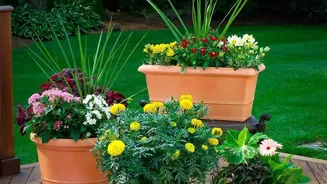
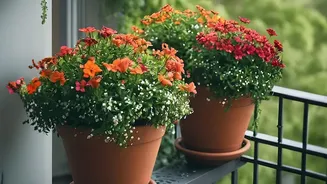
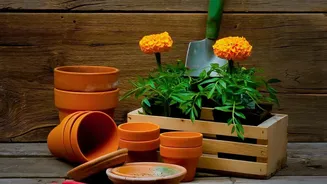
Success with potted plants begins at the base. For both marigolds (genda) and chrysanthemums (guldaudi), choose pots that are at least 6-8 inches deep to allow adequate room for root growth. Terracotta or clay pots are often preferred as they are porous
and allow for better air circulation, which helps prevent waterlogging. Most importantly, ensure your pot has drainage holes at the bottom; without them, water will collect and cause root rot, which can quickly kill your plants. These flowers are not overly fussy about soil but thrive in a loose, well-draining mixture. A simple and effective potting mix can be made by combining equal parts garden soil, compost, and sand or coco peat. The compost provides gentle nutrients, while sand improves drainage and aeration, creating the perfect foundation for healthy roots and vibrant blooms.
Perfect Sunlight and Placement
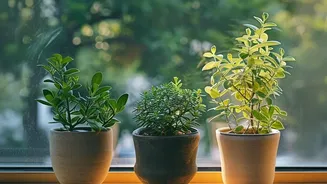
Both marigolds and chrysanthemums are sun-loving plants. They need at least six hours of direct sunlight each day to produce abundant flowers. An east-facing balcony or a sunny south-facing windowsill is an ideal spot. While they thrive in the sun, intense, direct afternoon sun in hotter regions can sometimes be harsh. If you notice leaves looking scorched, a spot that receives bright morning sun and some afternoon shade might be better. Insufficient light will result in 'leggy' plants with long, weak stems and very few flowers. Rotating the pots weekly can help ensure all sides of the plant get even sun exposure, promoting balanced growth.
Mastering the Art of Watering
Watering is a delicate balance, especially for plants in pots, which tend to dry out faster than those in the ground. The golden rule is to water when the top inch of the soil feels dry to the touch. Water the plants thoroughly until you see water draining from the bottom holes. This ensures the entire root ball is hydrated. However, never let the pot sit in a saucer full of water, as this leads to 'wet feet' and invites root rot. During hot weather, you might need to water daily or every other day, but in cooler weather or during the monsoon season, reduce the frequency. Always water at the base of the plant, avoiding the leaves and flowers, to minimize the risk of fungal diseases like powdery mildew.
Feeding Your Festive Flowers
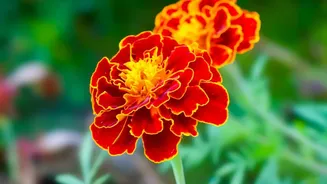
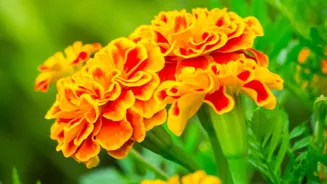
Marigolds are generally low-maintenance and do not require a lot of fertilizer; in fact, too much can lead to more leaves and fewer flowers. A balanced potting mix with compost is often enough. If you wish to fertilize, a balanced liquid fertilizer (like a 10-10-10) once a month is sufficient. Chrysanthemums, on the other hand, are heavier feeders and benefit from regular feeding to support their lush blooms. During their blooming season, you can feed them with a balanced, water-soluble fertilizer every two to three weeks. Once the blooming period ends, it is best to stop fertilizing to allow the plants a period of rest.
Deadheading for Continuous Blooms
One of the best-kept secrets to a long-lasting floral display is deadheading. This simple task involves pinching or cutting off spent, faded, or dried flowers. When a flower starts to fade, the plant’s energy shifts towards producing seeds. By removing these old blooms, you redirect that energy back into producing new buds and flowers. For both marigolds and chrysanthemums, regularly check your plants every few days and snip off any spent blossoms just above the next set of leaves. This not only keeps the plant looking tidy but also encourages a bushier, fuller plant and significantly extends the flowering season, ensuring you have beautiful blooms throughout the festive period.
Managing Common Pests
Even with the best care, pests can sometimes appear. The most common culprits for marigolds and chrysanthemums are aphids and spider mites. Aphids are small, sap-sucking insects that cluster on new growth and buds, causing leaves to curl. Spider mites thrive in hot, dry conditions and can cause leaves to look speckled or dusty. For small infestations, a strong spray of water can often dislodge these pests. For a more persistent problem, a spray of neem oil or insecticidal soap is an effective and organic solution. Regularly inspecting your plants, especially the undersides of leaves, can help you catch any issues early before they become a major problem.