
The Monsoon's Edible Treasures
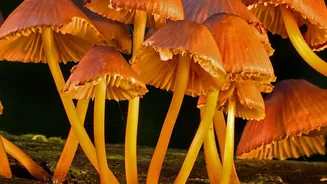
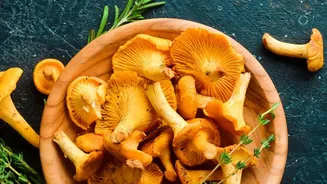
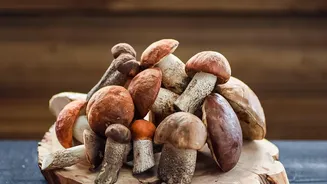
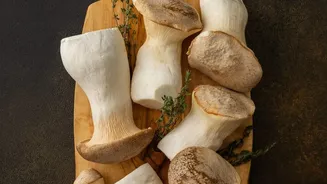
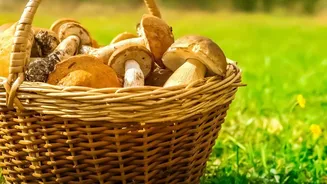
Forget the uniform button mushrooms from the supermarket. The Indian monsoon awakens a spectacular variety of wild, edible fungi, each with a unique story. In Goa and the Western Ghats, the fleshy 'Olmi' or 'Alambe' mushrooms, which grow on termite mounds,
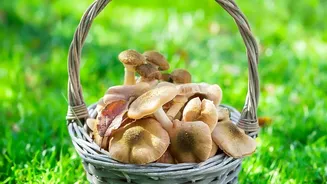
are a prized delicacy, their arrival marking a high point of the rainy season. Similarly, in Jharkhand, local markets buzz with women selling 'Rugra' or 'Putu' mushrooms, often called 'vegetarian mutton' for their meaty texture. This seasonal appearance is a hallmark of foraged foods; they are not cultivated but appear as if by magic when the conditions are perfect, deeply connecting cuisine to climate. This tradition is rooted in generations of knowledge held by indigenous communities who know exactly when and where to find these elusive treats.
A Tradition Rediscovered
Foraging for wild foods, once a common practice for sustenance and medicine in rural and tribal India, is experiencing a significant revival. For years, this knowledge was seen as niche, held primarily by elders and specific communities. However, a combination of factors is bringing it back into the mainstream. The COVID-19 pandemic, which disrupted food supply chains, prompted many to look closer at the edible species growing in their own localities. This has been amplified by a growing movement of environmental activists, agroecology experts, and everyday citizens who are leading foraging walks in both forests and city parks, from Delhi to Mumbai. These initiatives are designed to help people realise that nature thrives even in urban landscapes, fostering a renewed connection to the environment.
From Forest to Five-Star
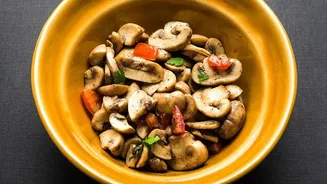
The foraging trend has found a powerful ally in India's top chefs, who are championing these hyper-local ingredients on their menus. In cities like Mumbai, Delhi, and Bengaluru, fine-dining restaurants are showcasing wild mushrooms that were once known only to local communities. Chefs like Vanika Choudhary have built their culinary philosophy around spotlighting precious foraged ingredients, creating dishes with wild mushrooms that introduce urban diners to the forgotten flavours of India's forests. This embrace by the culinary world does more than just create exciting new dishes; it validates and elevates traditional food knowledge, giving economic impetus to the communities that have been the custodians of this wisdom for centuries.
The World's Most Expensive Vegetable
No discussion of Indian wild mushrooms is complete without mentioning the legendary 'Gucchi'. Known globally as the morel mushroom, Gucchi is not cultivated but must be foraged from the high-altitude Himalayan regions of Kashmir, Himachal Pradesh, and Uttarakhand. Growing in dense coniferous forests after the snow melts, finding Gucchi is a laborious and unpredictable task undertaken by local communities. Its rarity, unique spongy, honeycomb texture, and deep, earthy flavour make it one of the most expensive vegetables in the world, with prices soaring up to ₹30,000-40,000 per kilogram. Long prized in gourmet cooking, Gucchi represents the pinnacle of foraged luxury.
A Note of Caution
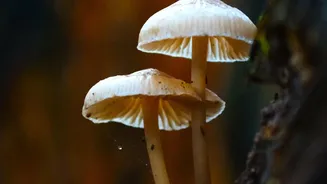
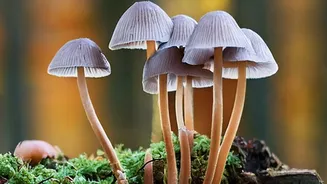
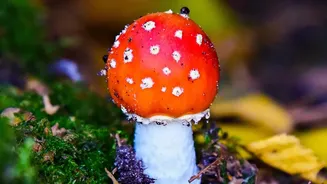
The romance of foraging comes with a critical health warning: many delicious wild mushrooms have poisonous look-alikes. The Death Cap and the Destroying Angel are just two examples of deadly fungi that can be mistaken for edible varieties, with devastating consequences. Traditional knowledge passed down through generations is crucial for safe identification, and a common rule is never to eat anything unless you are 100% certain of its identity. Beyond safety, there is the question of sustainability. The rising popularity of foraging has led to concerns about overharvesting, which can deplete wild mushroom populations and damage delicate forest ecosystems. Responsible foraging means taking only what you need, ensuring the fungus has had a chance to release its spores, and leaving the environment undisturbed for future growth.