






Why Humidity Is the Main Culprit
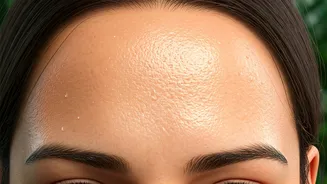
The primary reason for monsoon acne is the dramatic spike in humidity. [2, 16] High humidity in the atmosphere has a direct impact on your skin. It triggers your sebaceous glands to go into overdrive, producing more oil (sebum). [1, 4, 7] This excess
sebum, combined with the constant dampness and heat, creates a greasy film on your skin that becomes a perfect breeding ground for bacteria. [1, 9] Unlike in dry weather where sweat can evaporate and cool the skin, in the rainy season it lingers, mixing with this excess oil and any dirt or pollutants from the environment. [15]
The Perfect Storm for Clogged Pores
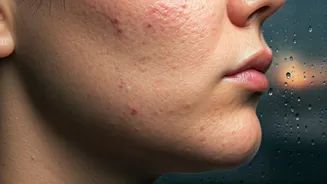
This sticky combination of sweat, oil, dead skin cells, and environmental grime is a recipe for disaster when it comes to your pores. [1, 3] The mixture creates a blockage, leading to clogged pores that can manifest as blackheads, whiteheads, and inflamed pimples. [3, 14, 15] The humid, warm climate not only encourages acne-causing bacteria to thrive but can also be a risk factor for fungal acne, which presents as small, itchy bumps and may not respond to typical acne treatments. [1, 6]
Rethink Your Cleansing Routine
To combat monsoon breakouts, adjusting your skincare is crucial. The first and most important step is cleansing, but it's essential not to overdo it. Over-cleansing can strip your skin of its natural oils, ironically causing the glands to produce even more sebum to compensate. [9, 17] Opt for a gentle, soap-free cleanser twice a day. Look for ingredients like salicylic acid, which helps to exfoliate and unclog pores, or natural antibacterials like neem and tea tree oil. [8, 11] If you've been sweating, it's best to rinse your face with lukewarm water as soon as you can. [5]
Exfoliate Gently and Use a Mask
Weekly maintenance can make a huge difference. Gentle exfoliation, once or twice a week, is key to sloughing off the dead skin cells that contribute to pore blockages. [3] Chemical exfoliants containing acids like salicylic or mandelic are often preferred over harsh physical scrubs, which can irritate inflamed skin. [8, 13] Incorporating a weekly clay mask, such as one with Multani mitti (Fuller's earth) or kaolin, is an excellent way to absorb excess oil and purify the pores. [8, 11]
The Moisturiser and Sunscreen Myths
It’s a common mistake to skip moisturiser when your skin feels oily and slick. However, even oily skin needs hydration. [8] Dehydrated skin can actually produce more oil to compensate. The trick is to switch to a lightweight, gel-based, and non-comedogenic (meaning it won't clog pores) moisturiser. [5, 11] Similarly, don't put away your sunscreen just because the sky is cloudy. Harmful UV rays are still present, and many modern sunscreens are formulated to be oil-free and non-greasy. Look for a broad-spectrum, gel-based sunscreen to protect your skin without adding to the congestion. [3, 8]
Simple Lifestyle Adjustments That Help
Beyond skincare products, small changes in your daily habits can support clearer skin. Try to avoid touching your face, as your hands can transfer dirt and bacteria. [12, 13] Change your pillowcases and face towels frequently, as bacteria thrive in damp fabrics. [3, 12] Pay attention to your diet by staying hydrated with plenty of water and limiting excessively oily foods, which can sometimes exacerbate skin issues. [9, 17] Wearing breathable fabrics like cotton can also help reduce body acne by preventing sweat from being trapped against the skin. [12, 14]