





The Monsoon Travel Dilemma
For many, the Indian monsoon conjures images of lush green hills and thundering waterfalls. Yet, in popular Himalayan states like Himachal Pradesh and Uttarakhand, this season is increasingly fraught with peril. Heavy rains saturate the soil on steep
slopes, leading to frequent and devastating landslides that block highways, strand tourists, and pose a serious threat to life and property. News reports from July 2026 highlight major disruptions, with dozens of roads, including national highways, blocked for days in Uttarakhand and Himachal after intense rainfall. This has forced a rethink among domestic travellers, who are now prioritising safety and predictability in their holiday planning, keenly aware that a dream trip can quickly turn into a logistical nightmare.
The High-Altitude Desert Solution
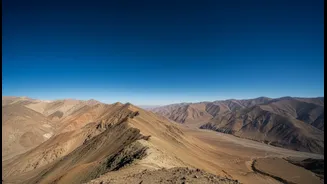
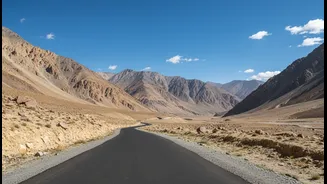
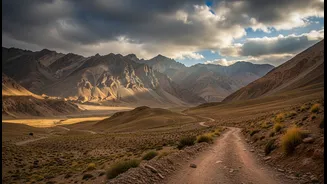
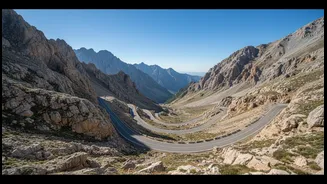
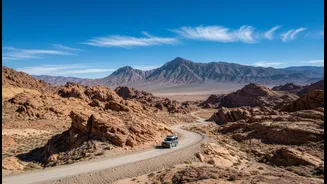
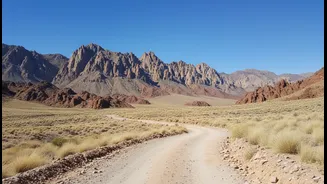
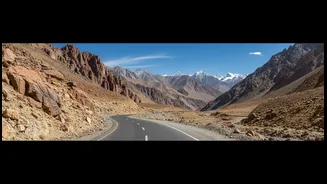
Enter Spiti and Ladakh. These trans-Himalayan regions are often called 'cold deserts', a term that perfectly captures their unique climate. Situated at high altitudes, often above 3,000 metres, they are characterized by stark, beautiful landscapes, thin air, and extreme temperatures. But their most crucial feature for monsoon travellers is the lack of rain. While the rest of the country is drenched, these areas remain remarkably dry. This isn't a coincidence; it's a direct result of their geographical location, which provides a natural shield against the monsoon, making them exceptionally safe from rain-induced landslides.
Protected by the Rain Shadow
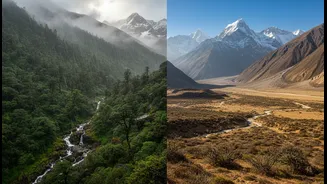
The secret to their arid climate is the 'rain shadow' effect. The towering peaks of the Pir Panjal and Great Himalayan ranges act as a massive barrier, blocking the moisture-laden monsoon clouds that sweep in from the south. As the clouds are forced to rise, they cool and release all their rain on the windward side of the mountains—the very slopes of lower Himachal and Uttarakhand. By the time the air masses cross over the high passes into Ladakh and Spiti, they have little to no moisture left, resulting in a desert-like environment with minimal annual rainfall. This aridity means the soil and rock formations are not subjected to the constant saturation that destabilises slopes elsewhere, drastically reducing the risk of monsoon-triggered landslides.
What 'Safer' Really Means
To call these regions entirely "landslide-free" would be an oversimplification. Landslides can still be triggered by factors like earthquakes or rapid snowmelt. However, the specific, and most common, danger of rainfall-induced landslides during the monsoon months is almost non-existent here. While roads leading to Spiti from Manali might face closures in the lower reaches, once you are inside the Spiti valley itself, the weather is typically clear and sunny. The risk profile shifts from landslides to other challenges inherent in high-altitude travel, such as acute mountain sickness (AMS) and the need for careful acclimatisation. The roads are challenging, but the threat of being trapped by a sudden deluge is significantly lower than in other hill stations.
Beyond Safety: The Allure of the Arid
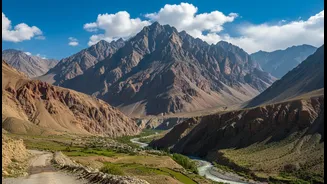
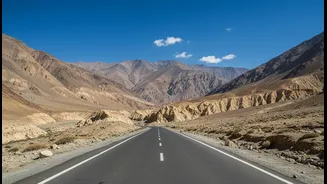
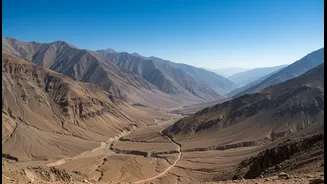
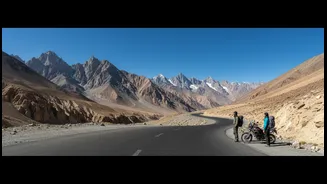
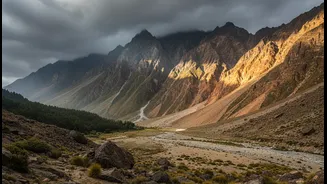
The appeal of Spiti and Ladakh extends far beyond just safety. Travellers are rewarded with landscapes of breathtaking scale and stark beauty—barren mountains painted in hues of brown, purple, and grey under brilliant blue skies. These regions are home to a unique and resilient Tibetan Buddhist culture, with ancient monasteries like Key and Tabo in Spiti and Thiksey and Hemis in Ladakh perched dramatically on cliffs and hilltops. The sense of remoteness and adventure is palpable, whether you're sending a postcard from the world's highest post office in Hikkim, spotting fossils in Langza village, or gazing at the crystal-clear waters of Pangong Tso or Chandratal Lake.
Planning Your High-Altitude Escape
A trip to Spiti or Ladakh requires more planning than a weekend getaway to a conventional hill station. The best time to visit is from June to September, precisely when other mountain regions are at their riskiest. Acclimatisation is key; spend at least a day or two at your arrival point (like Leh or Kaza) before ascending further. The journey itself is part of the adventure, with two main road arteries into Ladakh (from Manali and Srinagar) and two into Spiti (from Shimla and Manali). While the Shimla-Spiti route is longer, it allows for more gradual altitude gain. As travellers increasingly seek out reliable and transformative experiences, the cold deserts of the Himalayas are deservedly becoming the premier choice for a memorable—and uninterrupted—holiday.