







The New Wave of 'Healthy' Street Food
Across India's bustling city streets, a quiet revolution is taking place at the humble food cart. Alongside traditional fried favourites, vendors are increasingly offering 'healthy' alternatives to cater to a more wellness-conscious crowd. Think baked
or air-fried samosas instead of deep-fried ones, chaats made with millet or quinoa, moong dal cheelas, and sugar-free versions of classic sweets. This shift reflects a broader consumer demand for nutritious, hygienic, and less oily options that don't compromise on the beloved tastes of street food. Food trucks and gourmet pop-ups are also part of this evolution, introducing fusion dishes and focusing on sustainable, local ingredients. This growing market is a response to rising health awareness, particularly in urban centres where consumers are actively seeking ways to balance tradition with modern dietary goals.
What the Signs and Labels Aren't Saying
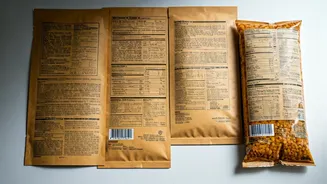
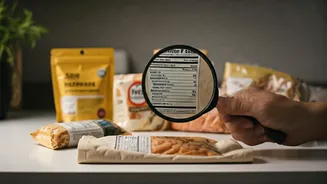
While the move towards healthier options is positive, it exposes a significant information gap. For pre-packaged foods, the Food Safety and Standards Authority of India (FSSAI) has clear labelling regulations that mandate details like ingredients, nutritional facts, and allergen warnings. However, the unorganised street food sector operates differently. A vendor might advertise a snack as 'baked, not fried' or 'low sugar', but there is often no way to verify these claims. Key information like calorie counts, the specific type of oil used, a full ingredient list for masalas, or potential allergens is typically unavailable. Studies on packaged foods show that even when labels are present, many consumers primarily check only the expiry date, with a very small percentage looking at nutritional information due to a lack of knowledge or because it's too technical. This problem is magnified at street carts, where formal labels are virtually non-existent, leaving consumers to rely solely on the vendor's word.
The Vendor's Dilemma
It's easy to point fingers, but street vendors face their own set of significant challenges. Many are small-scale entrepreneurs who lack formal training in nutrition and food safety. They may rely on claims made by their own suppliers for pre-made batters or masalas. The cost and logistics of getting their specific recipes lab-tested for precise nutritional data are prohibitive for a business with a daily turnover. Furthermore, many vendors grapple with basic infrastructural issues like a lack of access to clean water and proper waste disposal, which are essential for overall hygiene. Recent FSSAI amendments in 2026 have simplified registration for street vendors, aiming to bring more of them into the formal food safety ecosystem. However, these regulations focus more on registration and hygiene inspections rather than on-the-spot product content labelling. For vendors, the pressure to offer trendy 'healthy' snacks to stay competitive is high, but the resources to validate these claims are low.
How to Become a More Informed Consumer
In the absence of formal labels, 'label literacy' at a snack cart becomes about asking the right questions and managing expectations. Don't be afraid to engage with the vendor. Ask what oil they use, whether sugar is added to a juice, or what grains are in the flour. While they may not know the exact calorie count, their answers can provide valuable clues about the food's preparation. Observe their practices: Are they using clean utensils? How are ingredients stored? These are practical indicators of overall hygiene. It's also important to be realistic. A 'baked' samosa is likely a better choice than a fried one, but it isn't necessarily a low-calorie health food. The goal is to make informed choices, not to expect street food to meet the same standards as a dietician-planned meal. As consumer demand for transparency grows, it can encourage vendors to become more knowledgeable about their own products.