





Master Your Drainage
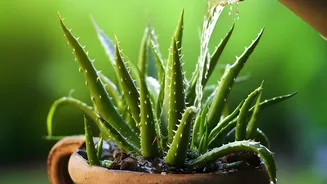
The single most important factor for plant survival during the monsoon is good drainage. When soil becomes waterlogged, roots can't get the oxygen they need, leading to the dreaded root rot. For potted plants, this is a straightforward fix. First, ensure
every pot has at least one, preferably more, drainage holes. If they are clogged, clear them immediately. A simple trick is to elevate your pots using bricks or pot stands, allowing water to escape freely and preventing them from sitting in puddles. For plants in the ground, especially in heavy clay soil, consider creating raised beds. This physically lifts the root zone above the saturated ground, providing the drainage necessary for them to breathe.
Rethink Your Soil Mix
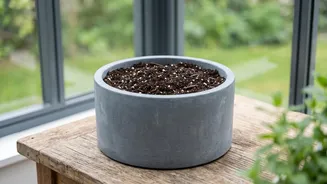
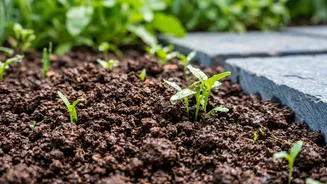
The soil itself plays a huge role in how well your garden handles a downpour. Heavy, dense garden soil retains water for long periods, which is a major risk during the rainy season. The solution is to create a lighter, more porous growing medium. Before the monsoon arrives, consider repotting your container plants with a well-draining potting mix. You can buy pre-made mixes or create your own by adding materials like cocopeat, perlite, or even coarse sand to your existing soil. These amendments create air pockets, allowing excess water to filter through quickly rather than collecting around the roots. For garden beds, incorporating organic matter like compost or well-rotted manure will improve the soil's structure and drainage over time.
Provide Strategic Shelter
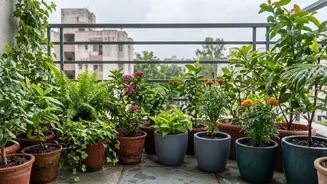
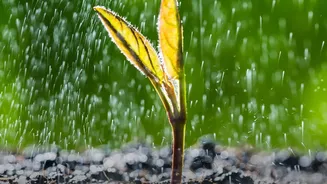
While you can't stop the rain, you can control how much of it batters your most delicate plants. Heavy rainfall and strong winds can physically damage fragile stems and flowers. If possible, move sensitive potted plants to a sheltered spot like a balcony, patio, or under an eave during periods of intense downpour. For larger plants or garden beds that can't be moved, you can get creative with temporary solutions. A simple plastic sheet or tarpaulin angled to direct water away can provide a surprising amount of protection. Grouping smaller pots together can also help, as the cluster provides mutual support and helps prevent soil erosion from the force of the raindrops. Just be sure to remove any covers once the heaviest rain has passed to allow for good air circulation.
Prune and Weed Diligently
A dense, overgrown plant is a prime target for problems during the humid monsoon season. Thick foliage traps moisture and reduces airflow, creating the perfect environment for fungal diseases like powdery mildew and leaf spot to take hold. Regular, light pruning is key. Trim away any dead or yellowing leaves and thin out crowded areas to open up the plant and allow air to circulate freely. This helps the leaves dry faster after a shower. At the same time, be vigilant about weeding. Weeds compete with your plants for nutrients and can also harbor pests. Since the damp soil makes them easier to pull, a little effort each week can keep your garden beds clean and your plants healthy.
Watch for Pests and Diseases
The warm, wet conditions of the monsoon are an open invitation for a host of garden pests and diseases. Snails, slugs, and various fungal infections thrive in this environment. Be proactive in your inspections. Regularly check the undersides of leaves, the base of the stems, and the soil surface for any signs of trouble. Common monsoon diseases include root rot, powdery mildew, and dark leaf spots. A funky or sour smell from the soil is a classic sign of root rot, indicating severe waterlogging. If you spot pests, consider organic control methods like neem oil spray. For potential fungal issues, improving air circulation and ensuring proper drainage are your best preventative measures. Catching these problems early is crucial to stopping their spread.