




The Promise of 'Whole-Grain'
For years, nutritional guidelines have encouraged us to make at least half of our grains whole. A food is officially considered a whole grain if it uses the entire kernel: the fiber-rich bran, the nutrient-packed germ, and the starchy endosperm. Products
can carry the “whole-grain” claim even if only 51% of their grain ingredients are whole. This simple definition has led to a health halo effect, where shoppers feel confident grabbing anything with a whole-grain stamp. Yet, this label overlooks a critical factor that can fundamentally change a food's impact on your body.
The Processing Problem You Don't See
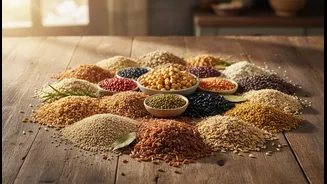
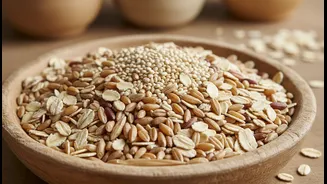
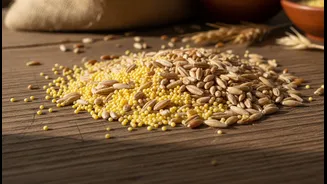
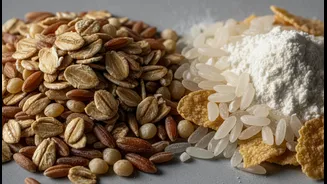
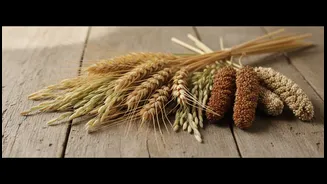
The core issue is that the term “whole grain” applies regardless of the grain's physical form. It can refer to an intact grain, like a kernel of brown rice or a steel-cut oat, or it can refer to a grain that has been pulverized into an ultra-fine flour. Many of the most popular whole-grain products—including sandwich breads, breakfast cereals, and crackers—are made from this finely milled flour. While they technically contain all parts of the grain, the structure is completely different. This high level of processing turns a natural ingredient into a component of what are often classified as ultra-processed foods, which can also contain a long list of additives, preservatives, and sugars to improve shelf-life and texture.
Why Intact is Better
The way your body uses a grain is heavily influenced by its structure. Intact or minimally processed grains are digested more slowly. This gradual breakdown leads to a lower glycemic index (GI), meaning a slower, more stable rise in blood sugar and insulin levels. Research has shown that when people eat less-processed whole grains, they experience better glycemic control compared to when they eat an equivalent amount of finely milled whole grains. This slower digestion also has benefits for your gut microbiome, as more undigested fibrous material can reach the colon to feed beneficial bacteria. In contrast, the fine particles in whole-grain flour are absorbed rapidly, causing a quicker blood sugar spike that more closely resembles the effect of refined grains.
How to Be a Smarter Shopper
So, how can you look beyond the front-of-package claims? Start by ignoring misleading marketing terms like “multigrain,” which just means multiple grains are present, not that they are whole. Instead, turn the package over and read the ingredients list. Look for the word “whole” before the name of the grain (e.g., “whole-wheat flour” or “whole oats”), and make sure it’s the very first ingredient listed. Another good indicator is the fiber content on the Nutrition Facts label; a good source of fiber will have at least 3 grams per serving. Finally, be skeptical of products with exceptionally long ingredient lists full of things you don't recognize, as this is often a sign of ultra-processing.
Simple Swaps for Better Grains
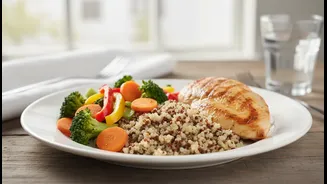
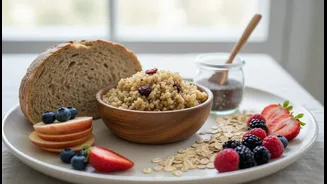
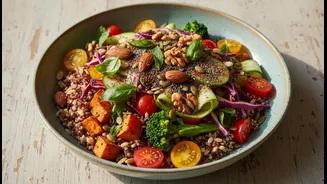
Making the switch to less-processed grains doesn't have to be complicated. Instead of a cereal made from whole-grain flour, try steel-cut or rolled oats. Swap your regular whole-wheat sandwich bread for a heartier, stone-ground loaf where you can actually see the seeds and grain pieces. Choose brown rice, quinoa, barley, or farro as a side dish instead of pasta or couscous made from flour. These simple swaps prioritize grains in a form that's closer to how they grew in nature, preserving the structural benefits that are lost when they are ground into a fine powder.