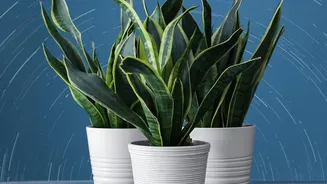





The Unbeatable Snake Plant
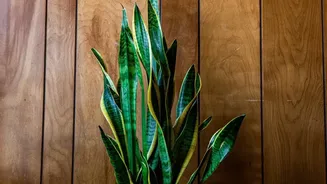
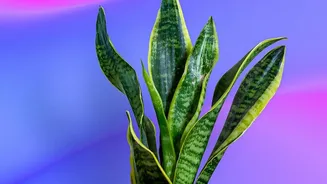
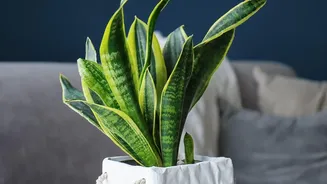
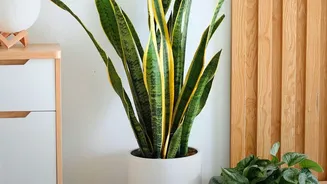
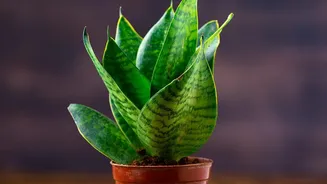
The Snake Plant, also known as Sansevieria or Mother-in-Law's Tongue, is the very definition of a tough, resilient houseplant. Its striking, architectural leaves make a modern statement on any nightstand or dresser. But its beauty is more than leaf-deep.
The Snake Plant is famously hard to kill, thriving on neglect and tolerating low light conditions, making it perfect for those who are new to plant care or simply too busy for a fussy plant. Its care is wonderfully simple: water only when the soil has completely dried out, which might be as infrequently as every few weeks. It is far more tolerant of underwatering than overwatering, which can lead to root rot. What makes it particularly special for the bedroom is its unique ability to perform a type of photosynthesis called Crassulacean Acid Metabolism (CAM). Unlike most plants, this process allows it to absorb carbon dioxide and release oxygen during the night. This quality has earned it the nickname 'the bedroom plant', as it helps to freshen the air while you sleep.
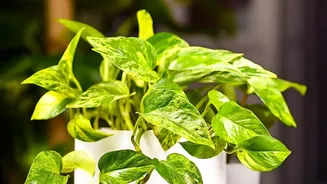
The Versatile Golden Pothos
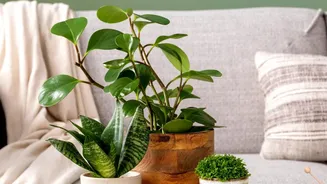
Often called Devil's Ivy for its near-invincibility, the Golden Pothos (Epipremnum aureum) is another superstar for beginners and seasoned plant lovers alike. Its heart-shaped leaves, often variegated with splashes of yellow or white, grow on cascading vines that can be trained to climb a wall or trail elegantly from a hanging basket. This versatility makes it a fantastic decorative element, adding a lush, jungle-like feel to any corner. The Pothos is incredibly forgiving and communicates its needs clearly. If it needs water, its leaves will start to droop slightly, but they quickly perk up after a drink. It adapts well to a wide range of lighting conditions, from bright, indirect light to lower-light areas of a room, though very dim light may reduce its variegation. Like the Snake Plant, it’s a low-maintenance companion that adds life without adding stress.
The Truth About Air Purification
Both Snake Plants and Pothos are frequently celebrated for their air-purifying qualities, a claim that stems from a famous 1989 NASA Clean Air Study. This study found that certain houseplants could remove common household toxins like formaldehyde, benzene, and xylene from sealed laboratory chambers. Pothos, for instance, is effective at absorbing these volatile organic compounds (VOCs) through its leaves and roots. However, it's important to have realistic expectations. A typical home is not a sealed chamber, and building ventilation usually removes pollutants much more effectively than a few plants can. Recent studies clarify that you would need a massive number of plants—essentially a dense, indoor jungle—to significantly replicate the air-purifying effects seen in the lab. So, while your plants are contributing to a healthier environment in a small way, their primary benefits are aesthetic and psychological. Think of the air purification as a minor bonus, not a replacement for an air purifier or good ventilation.
Why Your Bedroom Needs Them
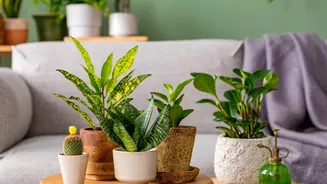
Given the realities of their benefits, what makes this pair truly ideal for the bedroom? It’s the combination of their best traits. Bedrooms are often lower-light environments where we want to relax, not worry about complex chores. Both plants thrive in these conditions. Their low-maintenance nature means you can enjoy their beauty without adding to your mental load. The Snake Plant’s nighttime oxygen release is a unique biological feature that makes it a perfect bedside companion. Meanwhile, the Pothos's trailing vines can soften the hard lines of furniture and create a calming, natural atmosphere. Together, they work to build a space that feels restful and alive. The presence of greenery is also known to reduce stress and boost mood, which are invaluable benefits in the one room dedicated to rest and rejuvenation.
Caring For Your Greenery
Caring for these two plants is refreshingly straightforward. The golden rule for both is to avoid overwatering. For the Snake Plant, wait until the soil is bone dry before watering thoroughly. For the Pothos, water when the top inch or two of soil is dry. They are not heavy feeders; a diluted, all-purpose houseplant fertiliser once or twice during the spring and summer growing season is plenty. Both can be placed in a variety of spots, from a low-light corner to a spot with bright, indirect sunlight. A Pothos in a hanging planter can free up surface space, while a tall Snake Plant can serve as a floor accent. Wiping their leaves with a damp cloth occasionally will keep them free of dust, allowing them to breathe and look their best. Ultimately, these plants ask for very little but give a great deal in return.