


The Allure of a Monsoon Trip
The prospect of a long weekend in mid-August has many Indians eagerly planning short holidays. This year, with Independence Day creating an opportunity for an extended break, the travel bug is biting hard. The monsoon season, which transforms much of the country
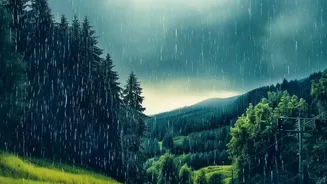
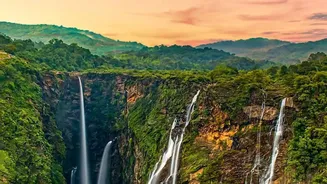
into a lush, green paradise, adds a unique charm to this period. Waterfalls are in full flow, hills are covered in mist, and cities feel refreshed. While the idea of a rain-soaked romantic getaway is appealing and travel is often cheaper, the reality of heavy monsoon travel requires careful planning. The weather in August is not uniform across India; it's a patchwork of different climates, making some destinations idyllic and others potentially hazardous.
High-Risk Zones: Himalayan Hill Stations
Many popular hill stations in the Himalayas become risky during peak monsoon in July and August. Destinations like Manali, Shimla, Mussoorie, and Nainital, while beautiful, are prone to landslides, flash floods, and road blockages. The Manali-Leh corridor and the Kalka-Shimla highway can become particularly treacherous, with frequent disruptions. Heavy rainfall saturates the fragile slopes, increasing the risk of landslides that can cut off access for days. Authorities often suspend adventure activities like trekking and paragliding for safety reasons. For these reasons, experts advise extreme caution, suggesting travellers consider swapping these high-risk mountain destinations for safer alternatives during heavy monsoon spells.
Coastal Concerns: Goa and Kerala
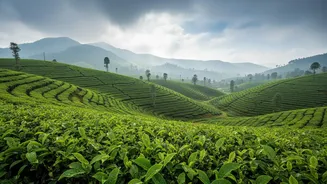
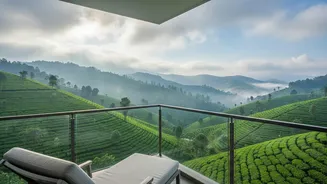
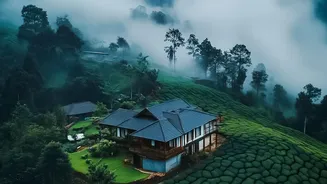
The western and southern coasts, including tourist magnets Goa and Kerala, receive significant rainfall in August. While the backwaters of Kerala and the green landscapes of Goa are stunning during this time, tourists should be prepared for heavy downpours that can last for hours. In Kerala, heavy to very heavy rainfall is often predicted, with weather alerts issued for several districts. This can lead to flooding in low-lying areas and make travel difficult. In Goa, while some enjoy the off-season peace, many beach shacks are closed, and rough seas make swimming and water sports unsafe. Houseboat trips in Alleppey and exploring the tea gardens of Munnar can still be magical, but flexibility is key.
Embrace the Rain: Monsoon-Enhanced Destinations
For those who don't mind the rain, several destinations become even more magical during the monsoon. Udaipur in Rajasthan, the 'City of Lakes', is one such place. The rains fill its famous lakes, the Aravalli hills turn a vibrant green, and the palaces look dramatic against cloudy skies. Similarly, Lonavala and Mahabaleshwar in Maharashtra are extremely popular with weekend travellers from Mumbai and Pune, who flock there to see the misty valleys and overflowing waterfalls. In central India, places like Mandu and Pachmarhi offer a different flavour of monsoon beauty, with ancient ruins set amidst lush greenery and fewer crowds. These destinations offer the romanticism of the monsoon without the extreme risks of Himalayan regions.
Chasing the Sun: Drier Alternatives
If you're determined to have a rain-free holiday, there are excellent options. Ladakh and the Spiti Valley in Himachal Pradesh are in a rain shadow, meaning they are largely shielded from the monsoon. August is actually peak season here, offering clear blue skies, breathtaking mountain scenery, and pleasant temperatures perfect for road trips and trekking. Another dry option is the eastern coast of Tamil Nadu, including destinations like Pondicherry and Mahabalipuram, which receives most of its rainfall from the northeast monsoon later in the year. These places offer a mix of culture, history, and beaches without the worry of constant rain.
Smart Travel Tips for the Monsoon
If you are heading to a rainy destination, a little preparation goes a long way. Always check the latest weather forecasts and local advisories before and during your trip. Pack waterproof jackets, quick-drying clothes, and sturdy, non-slip footwear. Protect your electronics in waterproof bags. When driving in the hills, be aware of the risks and avoid travelling after dark. It's also wise to book flexible travel and accommodation, as plans might need to change at the last minute due to weather disruptions. Finally, carry a basic first-aid kit and any necessary medications, as access to pharmacies might be difficult in remote, rain-affected areas.