






The 'More Is More' Exfoliation Myth
The most persistent myth in skincare is that aggressive, daily exfoliation is the secret to flawless skin. Driven by the desire for that instantly smooth feeling and the promise of a social media-fuelled 'glass skin' look, many people believe that scrubbing
away at their face is a shortcut to radiance. The market is flooded with products, from gritty physical scrubs to potent acid toners, that seem to encourage this belief. However, dermatologists are increasingly seeing patients with compromised skin barriers from routines that have simply gone too far. The idea that you can scrub your way to perfect skin by exfoliating as much as possible is the number one misconception they want to end.
Why Over-Exfoliation Backfires
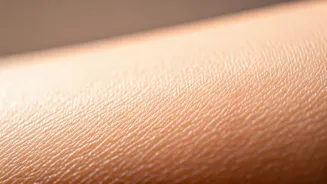
Your skin has a natural protective layer called the skin barrier, or stratum corneum. Its job is to keep moisture in and keep irritants, pollutants, and bacteria out. When you exfoliate too often or too harshly, you strip this barrier. Instead of revealing a healthy glow, you create tiny micro-tears and dismantle the 'mortar' holding your skin cells together. This damage leads to a cascade of problems: chronic dryness, tightness, redness, and increased sensitivity. Your skin might even become more oily as it tries to overcompensate for the dryness, leading to paradoxical breakouts. Over time, this chronic inflammation can even accelerate the breakdown of collagen, leading to premature fine lines.
Choosing Your Tools Wisely
Exfoliants generally fall into two camps: physical and chemical. Physical exfoliants use granular substances like sugar or beads, or tools like brushes, to manually scrub away dead cells. Chemical exfoliants use acids—like Alpha Hydroxy Acids (AHAs) such as glycolic acid, or Beta Hydroxy Acids (BHAs) like salicylic acid—to dissolve the bonds holding dead cells together. While physical scrubs provide instant gratification, dermatologists often caution against them, especially for sensitive or acne-prone skin, as harsh particles can be too abrasive. Many experts prefer gentle chemical exfoliants, which can provide a more uniform and controlled exfoliation with less risk of irritation when used correctly.
How Often Should You Really Exfoliate?
There is no single answer; it depends entirely on your skin type and the product you're using. Daily exfoliation is not recommended by most experts. As a general guideline, people with oily skin might be able to handle exfoliating twice a week. Those with normal or combination skin should aim for once or twice a week. For people with dry or sensitive skin, once a week or even every other week is often the maximum recommended frequency. It's crucial to start slow and see how your skin reacts. Remember, the skin has its own natural exfoliation cycle, shedding cells roughly every 28 days. Your routine should support this process, not aggressively override it.
Listen To Your Skin: Red Flags to Watch For
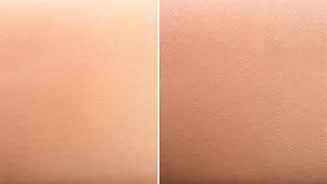
Your skin will tell you when you've gone too far. The primary signs of over-exfoliation include redness, persistent dryness or flakiness, and a feeling of tightness. A key warning sign is when your regular skincare products, even gentle moisturizers, suddenly start to sting or burn upon application. Another tell-tale sign is a 'waxy' or overly shiny appearance—which is a sign of a compromised barrier, not a healthy glow. If you notice any of these symptoms, the first step is to stop exfoliating completely and focus on repairing your skin barrier with gentle, hydrating products.