






An Uneven Monsoon's Shadow
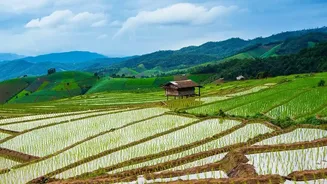
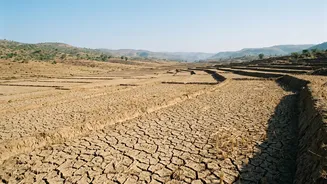
The foundation of rural prosperity is the annual southwest monsoon, and in 2026, its performance has been a mixed bag. Reports indicate that the monsoon delivered below-normal rainfall, with some crucial agricultural regions experiencing significant deficits.
This uneven distribution, coupled with dry spells in September, has induced moisture stress on key Kharif (summer-sown) crops like cotton, soybean, rice, and pulses precisely at their critical growth stages. While government initiatives and farmer preparedness have helped maintain overall acreage close to normal levels, the patchy rainfall has led to concerns over final crop yields and output. The latest data shows a decrease in the total area sown for Kharif crops compared to the previous year, with paddy cultivation being significantly affected in several states.
The Direct Hit on Farmer Incomes
The equation is straightforward: lower crop yields translate directly to lower incomes for millions of farmers. A weak harvest means less produce to sell, and even with government-mandated Minimum Support Prices (MSPs), the final take-home earnings are intrinsically tied to output volume. While the government has substantially increased MSP procurement over the last decade, these measures are most effective when there is a healthy surplus to sell. This year, experts are concerned that a weaker-than-expected Kharif harvest, combined with rising input costs, could put a significant squeeze on rural household budgets just as the festive season approaches. This financial pressure is a critical indicator for the health of the broader economy, as rural demand is a primary engine of growth.
From Harvest to High Street
The festive season is when many rural families, flush with cash after the harvest, make their most significant purchases of the year. This spending is not just on sweets and clothes but also on big-ticket items that signal prosperity and improve quality of life. The demand for two-wheelers, entry-level cars, tractors, smartphones, and consumer durables like refrigerators and televisions sees a sharp spike during this period. Consequently, companies in these sectors watch the monsoon's performance and harvest outlook with keen interest. A muted rural sentiment can have a cascading effect, leading to unsold inventory in showrooms and warehouses across the country. Analysts have noted that while the first half of the fiscal year saw robust sales for vehicles, the momentum is now at risk due to the uncertain Kharif outcome.
Sectors Bracing for Impact
The Fast-Moving Consumer Goods (FMCG) sector is often the first to feel the effects of shifting rural sentiment. While recent data for the quarter ending in September 2026 showed a surprising surge in rural FMCG value growth, some of this was driven by price increases. Earlier in the year, reports had pointed to a worrying decline in rural FMCG volumes, suggesting that while people were spending more, they were buying less. This points to a cautious consumer. The auto sector is also on high alert. While overall festive spending forecasts for 2026 predict growth, the recovery is expected to be uneven, with a potential split between resilient urban demand and a more subdued rural market. A recent survey highlighted that fewer Indians overall plan to increase their festive budgets this year compared to last.