






The Third Wave Has Arrived
For decades, India was primarily a tea-drinking nation, with coffee consumption largely limited to South Indian filter coffee or instant mixes. The first wave began with the accessibility of instant coffee, while the second saw the rise of large-scale
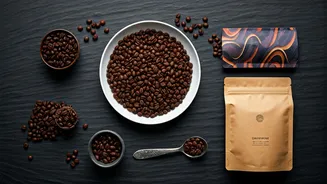
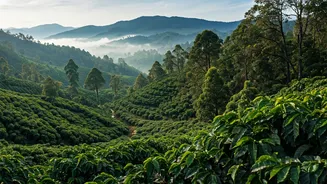
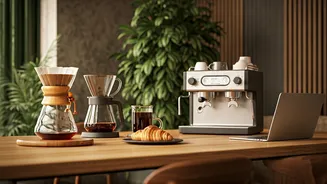
café chains in the 1990s and 2000s that introduced a standardized café experience. Today, we are in the midst of the 'third wave', a movement that treats coffee as an artisanal product, much like wine. This new generation of cafés focuses on the story behind the bean, from its origin and processing method to the precise art of brewing. Brands like Third Wave Coffee and Blue Tokai have become pioneers, educating consumers about single-origin beans from Indian estates in regions like Chikmagalur and Coorg, and offering innovative brewing methods beyond the standard espresso machine.
Designing the 'Third Place'
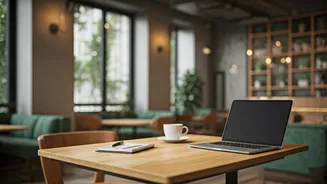
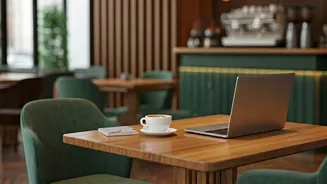
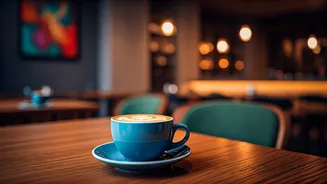
This new breed of café understands that it's no longer just a transactional space but a 'third place'—a crucial social environment between home and work. With the rise of remote work and freelance culture, cafés have become informal offices and collaborative hubs. This has influenced their very design. Forget cookie-cutter interiors; today’s cafés are meticulously designed to be both functional and aesthetically pleasing. They feature flexible seating for groups and solo workers, ample natural light, and 'Instagrammable' décor with lots of greenery and local art. The goal is to create a comfortable, inviting atmosphere that encourages customers to linger, work, socialize, and connect.
More Than Just Coffee
While the coffee is the star, the supporting cast is now just as important. The new café menu goes far beyond pre-packaged muffins. There's a significant trend towards 'freestyle dining', featuring small plates, elaborate brunch options, and light, healthy meals that can be enjoyed at any time of day. Many cafés now boast freshly prepared, well-thought-out food menus, including vegan, keto-friendly, and gluten-free options to cater to a more health-conscious clientele. Moreover, beverages have expanded to include artisanal teas, kombuchas, coffee mocktails using local ingredients like kokum, and functional drinks with wellness-focused additions.
Hubs of Community and Conscience
The evolution of the café extends beyond commerce into community building. Many new-age establishments are positioning themselves as cultural hubs, hosting events like open mic nights, art exhibitions, and workshops. This transforms them into vibrant community spaces that foster creativity and connection. Furthermore, a growing number of cafés are operating with a conscience. This includes a focus on sustainability, with zero-waste policies, biodegradable packaging, and direct, ethical sourcing from local farmers. Some cafés are also championing social causes, creating inclusive spaces run by and for communities like acid attack survivors or HIV-positive individuals, proving that a café can be a powerful vehicle for social change.