





A Paradise Under Pressure
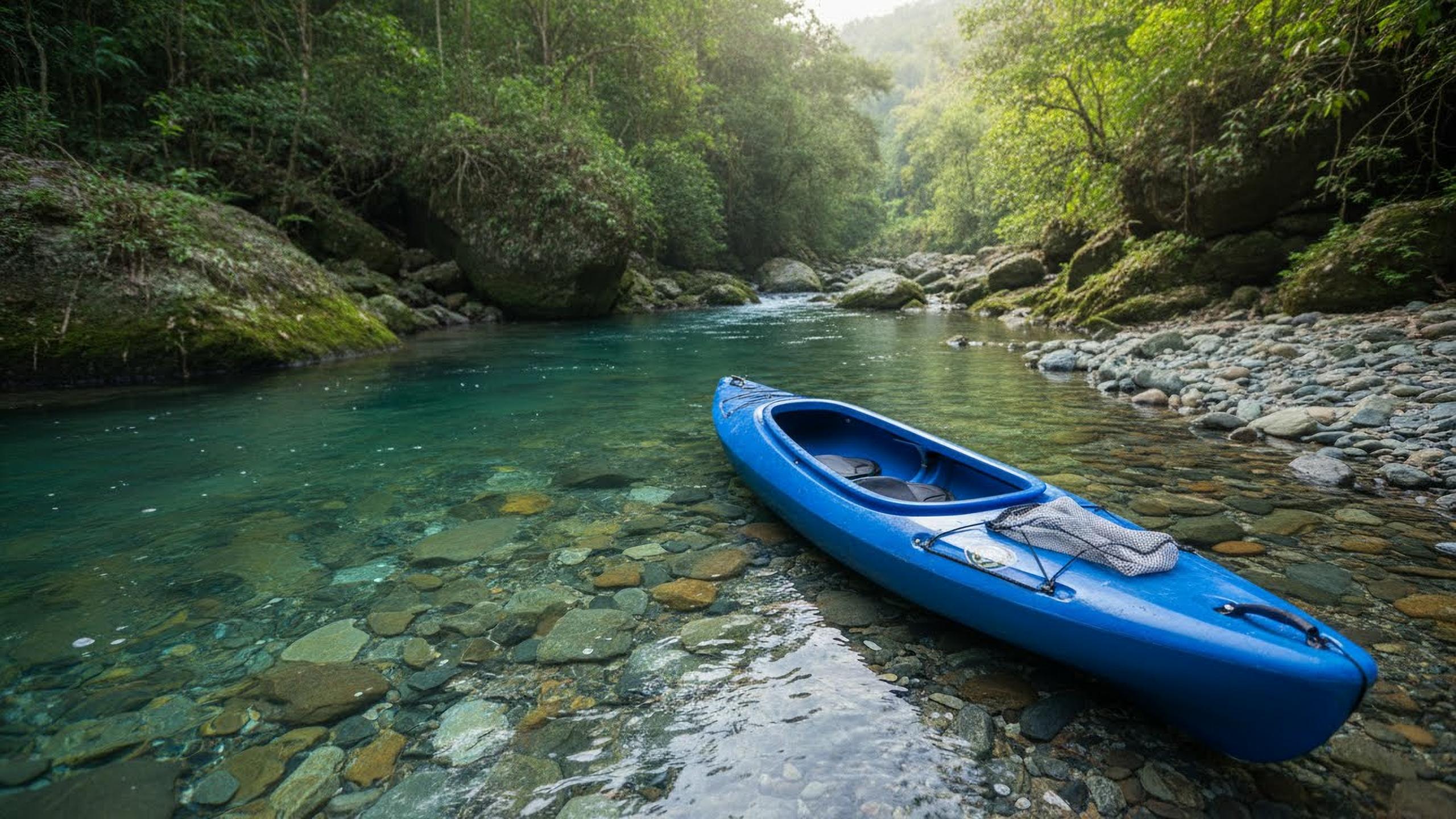
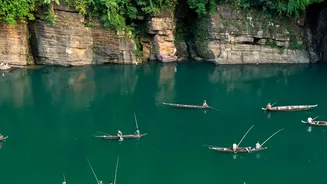
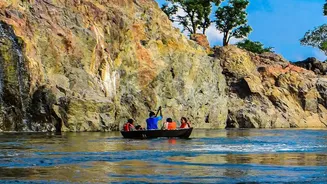
For years, images of boats seemingly floating on air have drawn visitors from around the globe to Meghalaya. The Umngot River in Dawki, with its unbelievable transparency, became a symbol of the state's untouched natural beauty. This influx of tourism,
while economically beneficial, brought with it a significant environmental cost. Increased footfall has historically led to challenges with waste management and other pressures on the delicate ecosystem. In late 2025, concerns peaked when construction debris from a nearby highway project turned the famously clear river murky, threatening the livelihoods of hundreds who depend on tourism. This event highlighted the urgent need for a sustainable approach to manage the state's most precious natural assets.
Paddling with Purpose
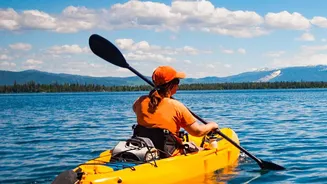
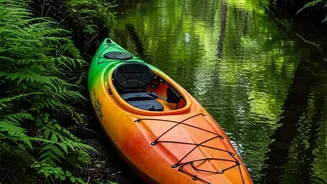
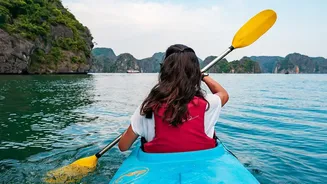
In response to these challenges, a model of eco-conscious kayaking has gained prominence, championed by local communities and responsible tour operators. Unlike large, motorized boats, kayaks have a minimal physical impact on the riverbed and aquatic life. These trips are built around a simple but powerful principle: leave no trace. Operators enforce strict rules, ensuring that everything brought to the river, from food wrappers to water bottles, is carried back out. The emphasis is on experiencing the river’s beauty without leaving a scar. This approach turns a simple adventure activity into an act of conservation, allowing visitors to actively participate in preserving the environment they have come to admire.
The Community as Custodian
The success of this sustainable model is rooted in community leadership. Much of the land and its resources in Meghalaya are managed by indigenous communities and traditional institutions, including the Khasi and Jaintia tribes. Local village councils and tourism societies in areas like Shnongpdeng and Darrang have become the frontline guardians of the waterways. They not only run many of the kayaking and homestay businesses but also set and enforce the rules for visitors. This community-led approach ensures that the economic benefits of tourism flow directly to the people who live there, creating a powerful incentive to protect their natural heritage for the long term. Initiatives are often as simple as installing eco-friendly bamboo dustbins and as comprehensive as establishing community-managed fish conservation zones.
An Outdoor Classroom
These kayaking trips are more than just a paddle on a beautiful river; they are an immersive educational experience. Local guides, with deep-seated knowledge of the ecosystem, share insights with tourists about the region's unique flora and fauna, the cultural significance of the rivers, and the importance of conservation. This transforms the tourist from a passive observer into an informed and respectful visitor. By learning about the delicate balance that maintains the water's clarity, visitors develop a deeper appreciation and are more likely to adopt responsible behaviours. This focus on education is a key part of Meghalaya's broader strategy for sustainable tourism, which aims to protect its natural and cultural heritage while providing meaningful experiences for travellers.