



Standardise Every Room Type
Before a single photo is taken, your hotel must have rigid, written definitions for every single room category. What specifically makes a 'Superior' room different from a 'Standard' one? Is it square footage, bed size, the presence of a balcony, or the quality
of the view? This internal document is your foundation. Without it, you are leaving your brand's visual identity to chance. This classification impacts everything from inventory management to revenue strategy. Vague categories force hotels to compete on price alone, whereas specific, well-defined room types allow for targeted marketing and pricing that can significantly boost your Average Daily Rate (ADR). This clarity ensures that when you instruct a photographer to shoot a specific category, everyone involved knows exactly what defines that space.
Mandate a Consistent Shot List
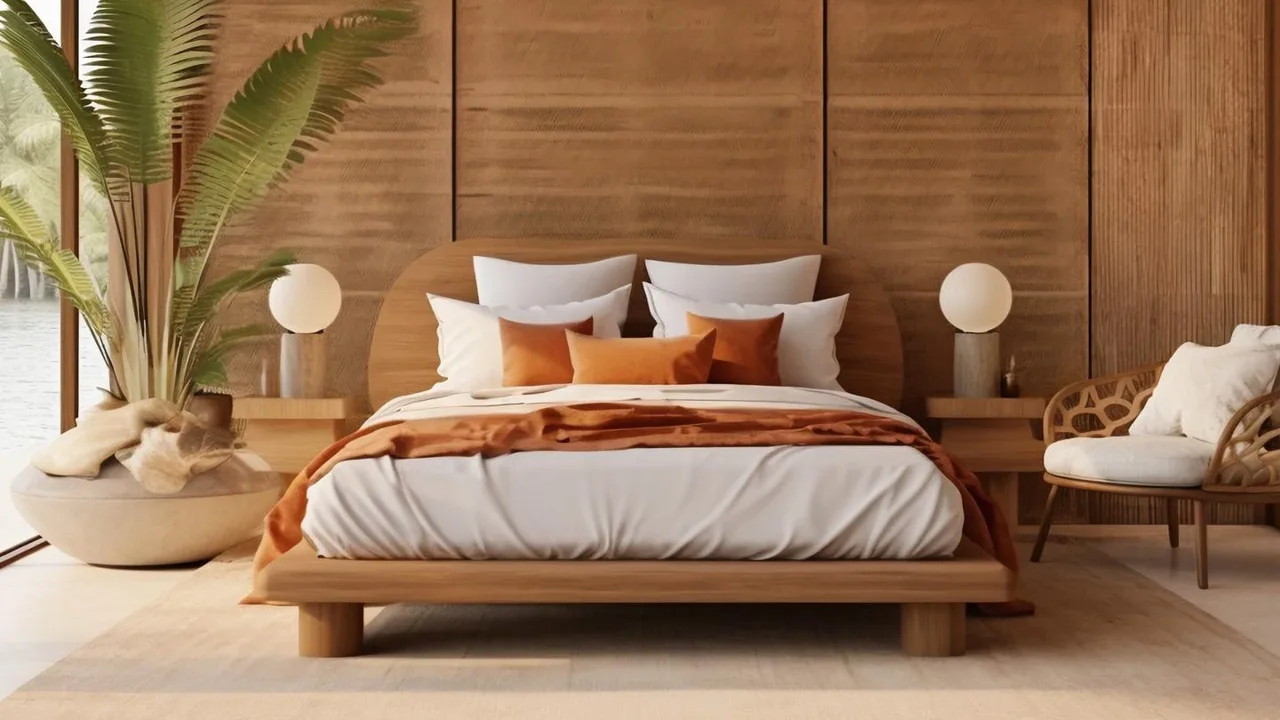
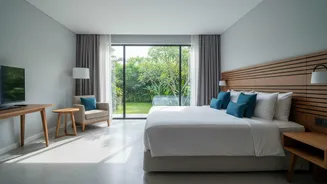
A master shot list is non-negotiable for consistency. For every room category—from your most basic single to the presidential suite—the same core set of images must be captured. This list should be detailed and serve as a roadmap for the photography team. At a minimum, it should include a wide shot from the entrance, a shot from a corner to show the layout, a direct shot of the fully-made bed, a clear view of the bathroom, and any key amenities like a desk or seating area. For larger rooms or suites, require additional angles to convey the space accurately. This practice ensures that potential guests can easily compare different room types on your website or on online travel agencies (OTAs), making an informed decision and reducing the risk of post-booking disappointment.
Enforce Uniform Staging and Styling
How a room is styled can dramatically alter its perception. A room can appear more luxurious simply because of better props or lighting, creating a misleading visual hierarchy. Your rulebook must specify every detail of the staging. This includes how the bed is dressed (tucked or untucked), the exact placement of pillows, which amenities are displayed in the bathroom, and the state of the curtains. All rooms must be meticulously cleaned and decluttered before the shoot. The goal is to ensure that a higher-category room always looks superior to a lower-category one because of its inherent features, not because it received more styling attention on photoshoot day. This consistency is a hallmark of professionalism and builds brand trust.
Lock In Your Camera Angles and Lighting
The choice of lens and camera angle can make a small room feel spacious or a large room feel cramped. To prevent misrepresentation, your guidelines should specify technical details. Mandating that all primary room shots be taken from a corner can provide a more comprehensive and honest sense of the layout. Lighting is equally critical. The standard should be to use as much natural light as possible, supplemented by warm, inviting artificial light that appears natural. The aim is to create a consistent mood and atmosphere across all images that aligns with your brand's identity, whether that is bright and airy or cozy and sophisticated. These technical rules prevent freelance photographers from applying their own subjective style, which could clash with your brand's carefully curated image.
Know What Not to Photograph
Just as important as what you photograph is what you intentionally exclude. Your guidelines should include a 'do not shoot' list. This prevents photographers from capturing images that, while perhaps aesthetically pleasing, are not representative of the typical guest experience. For example, avoid close-ups of branded toiletries unless they are a guaranteed amenity. Do not feature a view from a single, uniquely positioned room and pass it off as standard for that category. It is also wise to avoid photographing elements that are likely to become dated quickly, such as certain technologies or décor trends. The goal of hotel photography is not just to entice, but to accurately set expectations. Polished, honest images build excitement; overly edited or misleading ones lead to disappointment and negative reviews.
Conduct Regular Audits and Refreshes
Hotel photography is not a one-and-done project; it requires ongoing maintenance. Appoint someone to regularly audit the photos displayed on your website and all third-party distribution channels. As your property evolves through renovations, redecorating, or amenity updates, your photo library must be refreshed to reflect these changes. Using outdated images is a direct path to breaking guest trust. A rolling plan to refresh your visuals ensures that what a guest sees online is what they will get upon arrival. This commitment to accuracy demonstrates operational excellence and a deep respect for the customer experience, which ultimately translates into better reviews, more direct bookings, and a stronger brand.