

A Social Media Sensation
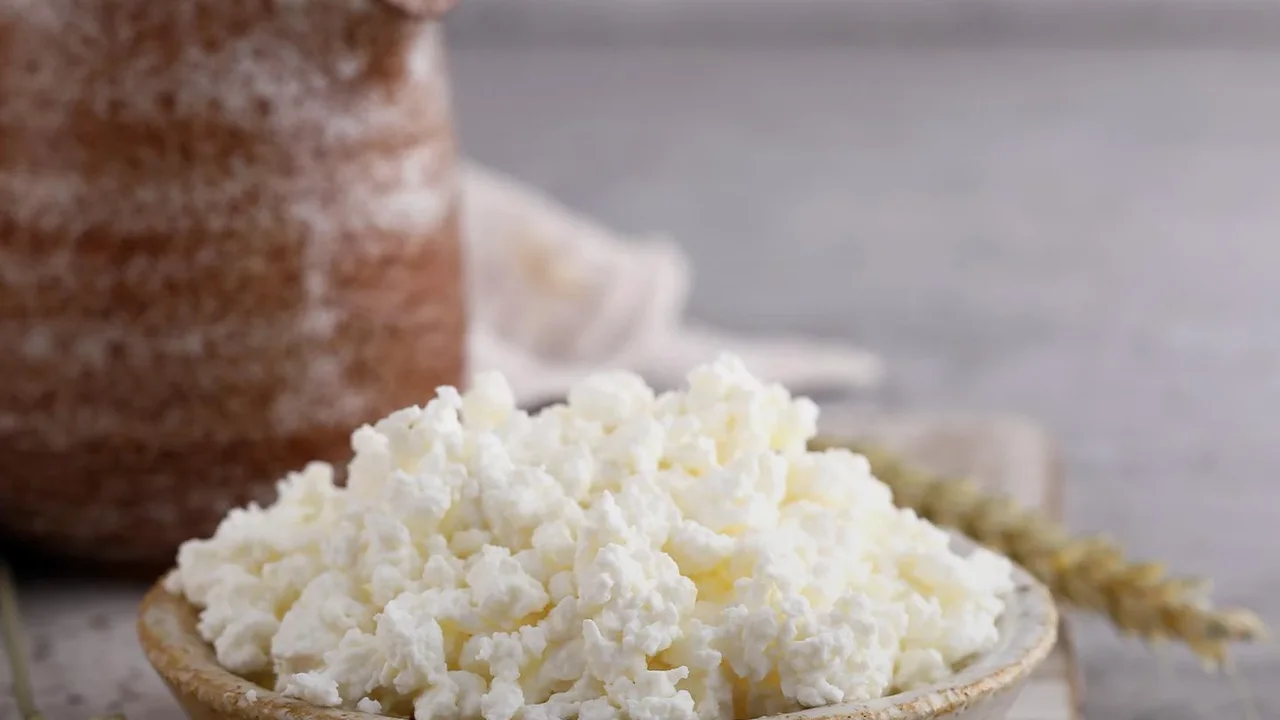
If you've scrolled through social media recently, you've likely witnessed the remarkable rebranding of cottage cheese. Once considered dated, this dairy product has been catapulted back into the spotlight by food bloggers and wellness influencers. The
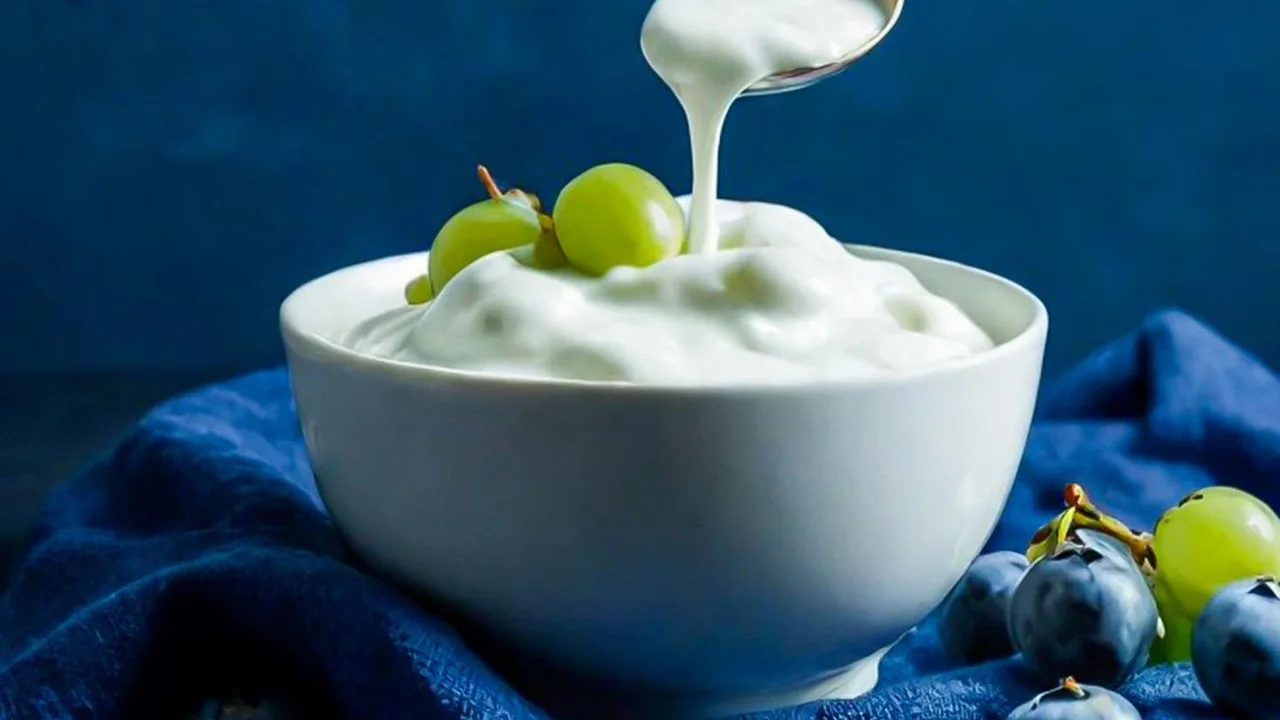
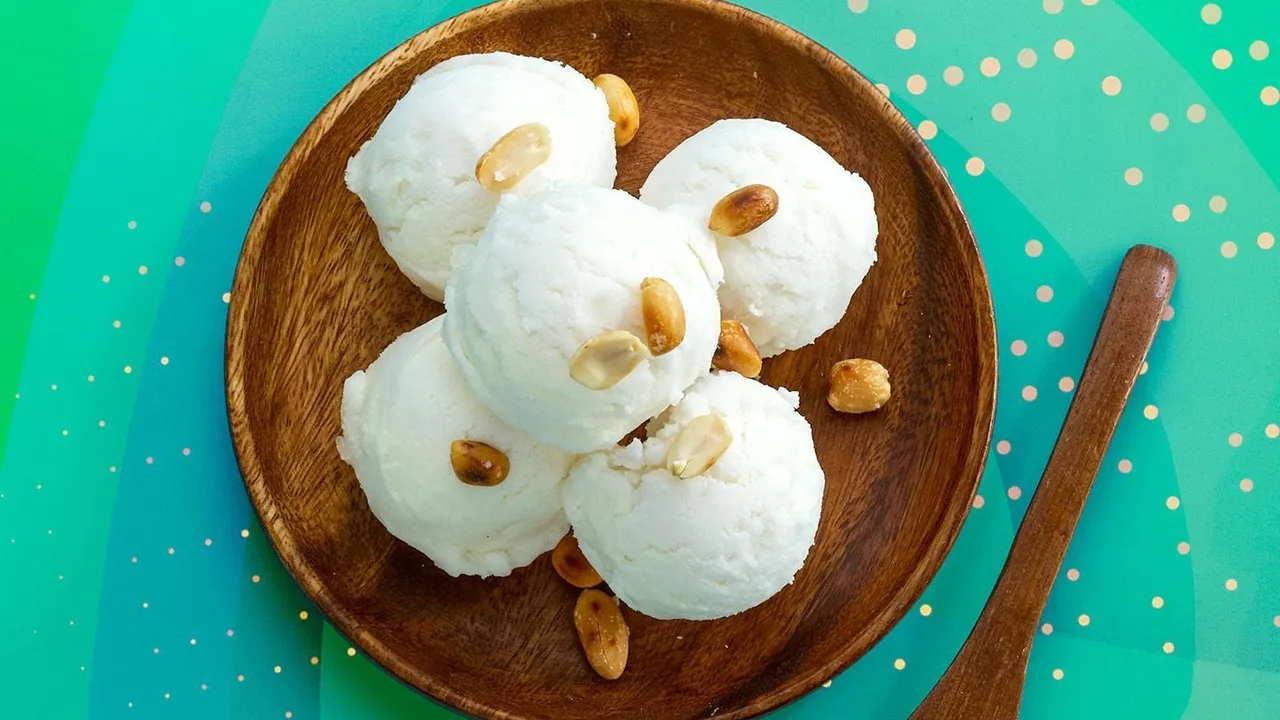
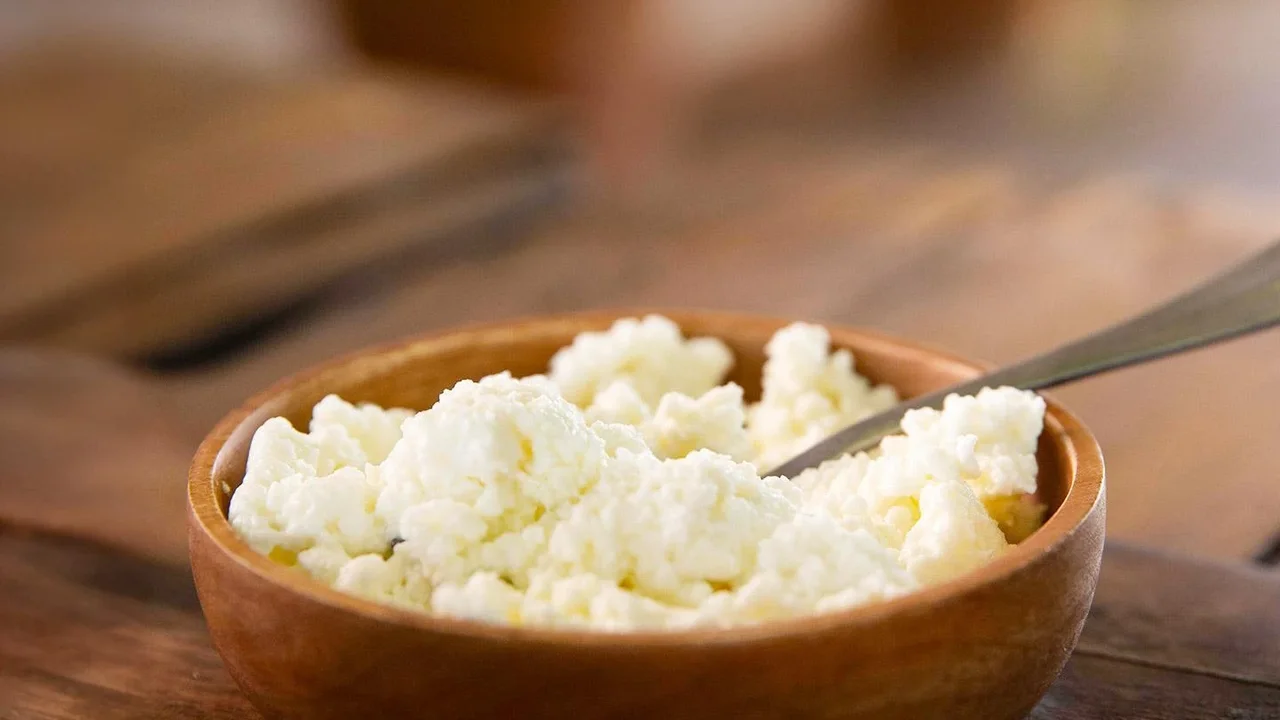
trend exploded on platforms like TikTok, where the hashtag #cottagecheese has garnered massive attention. The key to its modern appeal lies in a simple trick: blending it. By whipping cottage cheese until it's smooth and creamy, creators have unlocked its potential, transforming its polarizing lumpy texture into a silky base for countless dishes. This has led to a wave of viral recipes, from high-protein ice cream and cookie dough to savory flatbreads and creamy pasta sauces that have sent sales soaring.
The Nutritional Powerhouse
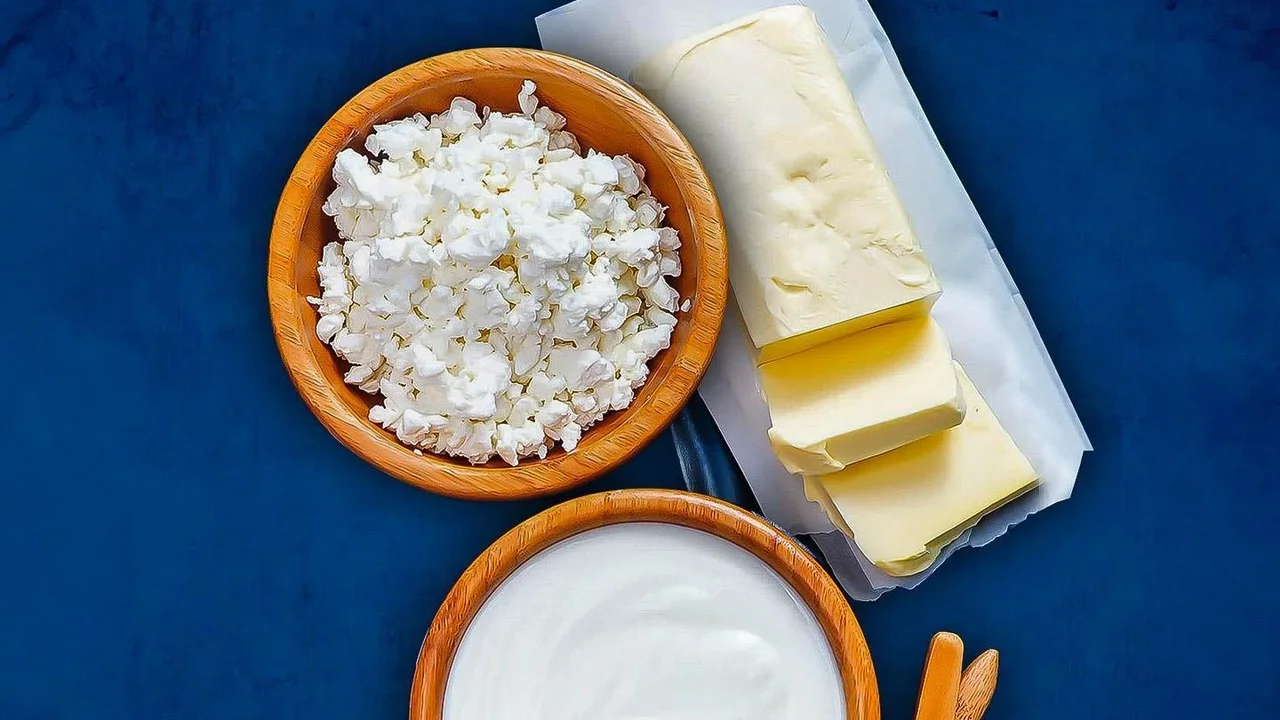
The primary driver of this comeback is cottage cheese's impressive nutritional profile. It is packed with high-quality protein, making it a go-to for anyone looking to support muscle growth, repair tissues, and stay full longer. A single half-cup serving can contain around 11 to 14 grams of protein, often more than an equivalent serving of Greek yogurt. The majority of this is casein protein, a slow-digesting type that helps with appetite control by promoting a sustained feeling of fullness. This makes it an excellent food for weight management. Beyond protein, it's also a great source of essential nutrients like calcium and phosphorus for bone health, B vitamins for energy, and selenium for thyroid function.
From Bland to Brilliant
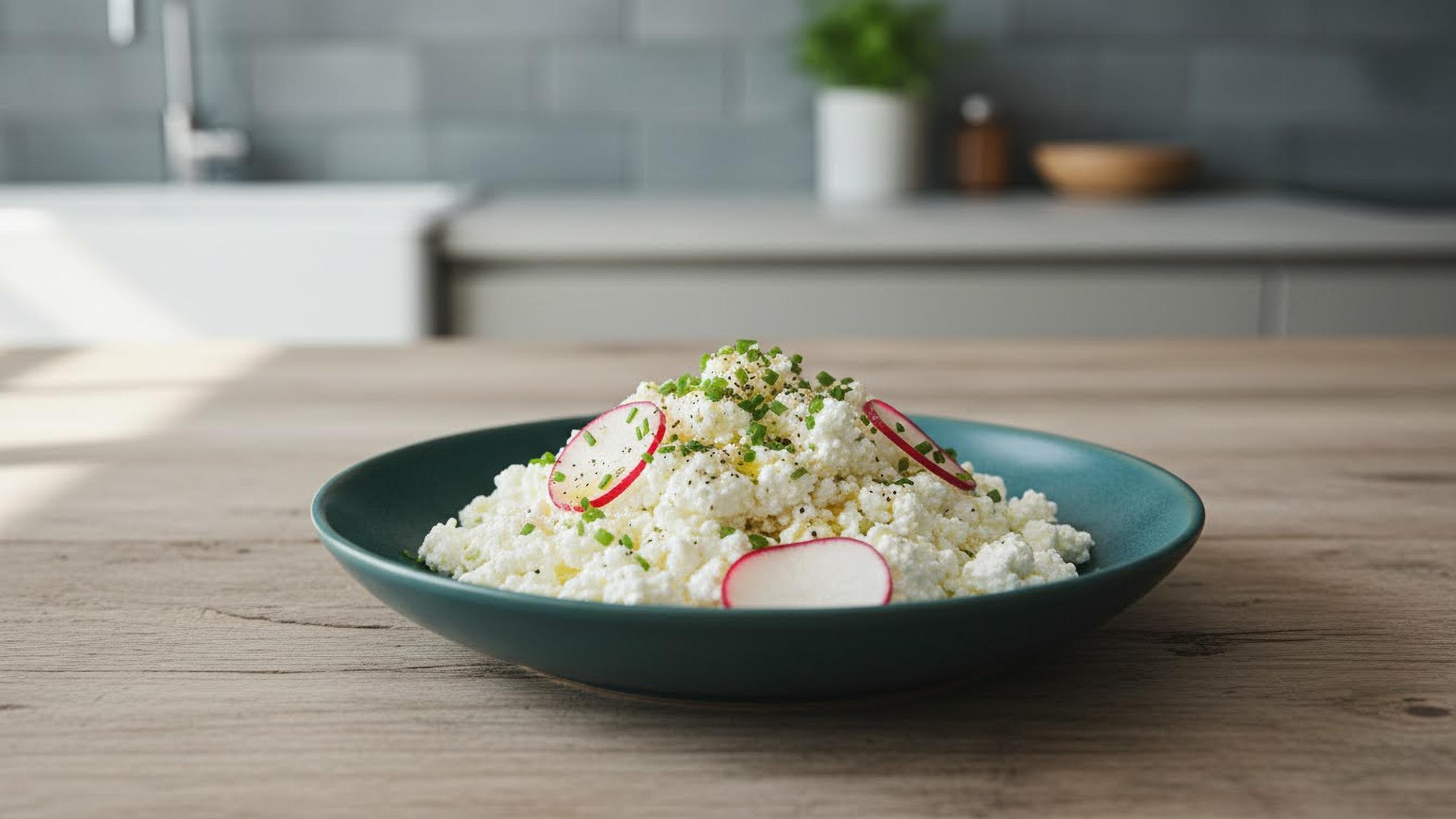
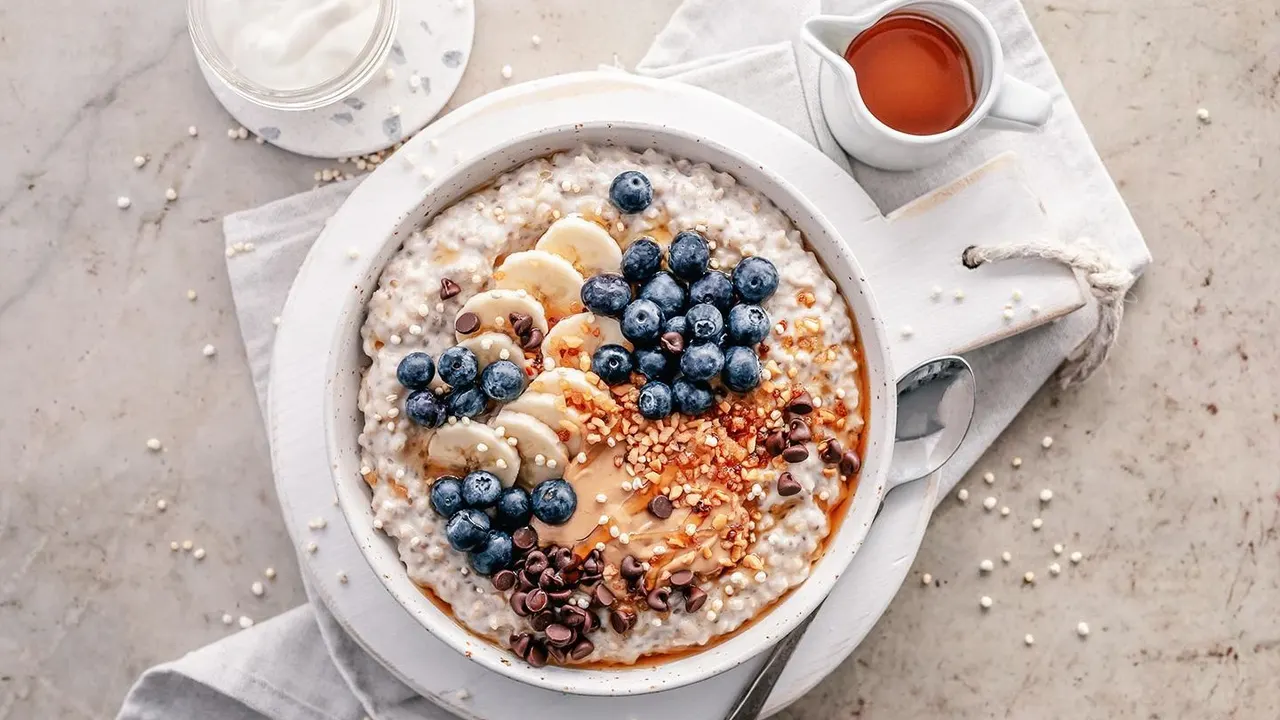
Gone are the days of eating cottage cheese plain. Its mild, slightly tangy flavor makes it a blank canvas for both sweet and savory creations. On the sweet side, blended cottage cheese serves as a base for healthier desserts like mousse, cheesecake, and fruit-topped breakfast bowls. It adds a protein boost and creamy texture to smoothies and pancake batter. For savory dishes, its applications are even broader. It can be whipped into a flavorful dip for vegetables, used to create a creamy and lower-fat mac 'n' cheese, or replace ricotta cheese in lasagna. Some of the most popular viral trends involve using it to make two-ingredient flatbread wraps or a healthier spin on queso.
Making the Right Choice
Navigating the dairy aisle can be confusing, but choosing the right cottage cheese is simple. It's typically available in non-fat, low-fat (1% or 2%), and full-fat (4% or higher) varieties. While lower-fat options have fewer calories, whole-milk versions often result in a richer, creamier texture, which is ideal for blended recipes. It's also worth checking the label for a few key things. Some brands contain live and active cultures, which offer probiotic benefits for gut health. You may also want to compare sodium levels, as they can vary significantly between brands; some offer low-sodium versions. Whether you prefer small or large curd is simply a matter of textural preference if you plan on eating it as is.