




From Sightseers to Participants
The modern traveller is no longer content with being a passive observer. Recent trends show a significant move towards experiential travel, where the goal is immersion, not just sightseeing. A 2026 Skyscanner report noted that 72% of Indian travellers
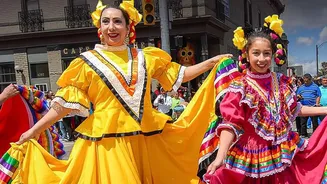
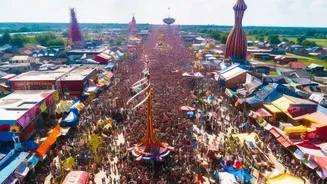
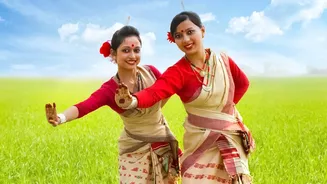
would consider planning a trip specifically to attend a major cultural festival. This marks a fundamental change in tourism, where festivals are the destination themselves, not a bonus activity. These events offer a front-row seat to a community's way of life through music, dance, food, and shared traditions. Instead of looking at a culture from the outside, attendees are invited to become part of the celebration, creating a more meaningful and memorable connection to the place and its people.
A Feast for the Senses
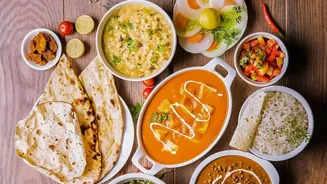
Food has always been central to Indian culture, but festivals are now placing hyper-local cuisine at the forefront of the travel experience. The Hornbill Festival in Nagaland, for example, is as much a culinary journey as it is a cultural one. Visitors can explore traditional kitchens set up in morungs (tribal huts), tasting dishes like smoked pork with bamboo shoot and learning about Naga cooking techniques firsthand. This sensory immersion reveals a cuisine shaped by local ecology and tradition. Similarly, Gujarat's Rann Utsav is a feast for the senses, offering authentic regional dishes alongside its famous cultural performances. This focus on food allows travellers to taste the unique identity of a region, making the experience deeply personal and unforgettable.
The Sound of the Soil
Music is a powerful bridge between cultures, and India's festival scene is a testament to its unifying force. Events like the Ziro Festival of Music in Arunachal Pradesh have become iconic for their blend of indie music and stunning natural landscapes. Set against a backdrop of rice paddies and pine-clad hills, Ziro offers an experience that is both about the music and the environment it inhabits. The festival was created to spotlight independent music in an unexplored location, and it succeeds by being powered by the local Apatani community. Likewise, the Hornbill Festival, often called the "Festival of Festivals," integrates traditional folk performances with contemporary rock contests, showing how heritage and modernity can coexist. These festivals don't just provide a soundtrack; they connect travellers to the soul of a place, offering a rhythm that lingers long after the final performance.
Beyond the Main Stage
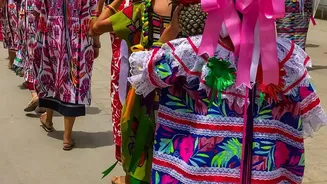
The rise of festival tourism has a tangible, positive impact that extends far beyond the visitor's experience. These events are becoming crucial drivers for local economies. They provide a platform for artisans to sell traditional crafts, from Naga shawls and beadwork at the Hornbill Festival to the intricate embroidery and pottery of Kutch at the Rann Utsav. This direct support for local craftspeople helps preserve artistic traditions and provides vital income. Furthermore, by creating jobs for guides, hosts, and vendors, festivals stimulate community-led tourism. This model ensures that the economic benefits of tourism are distributed within the local population, empowering communities, particularly women and youth, and helping to sustain their cultural heritage for future generations.