





The Hidden Dangers in Water
Water and contact lenses are a dangerous combination. Whether it's from a swimming pool, ocean, lake, hot tub, or even your household tap, water is not sterile. It can contain a variety of bacteria, viruses, and other harmful microorganisms. Soft contact lenses are particularly
vulnerable because they are porous and can act like a sponge, absorbing this contaminated water and trapping it directly against the surface of your eye. This prolonged exposure dramatically increases the risk of developing a serious eye infection. Water can also cause soft lenses to swell, change shape, and stick to the cornea, leading to discomfort and potential scratches that make it even easier for germs to invade.
Acanthamoeba: A Swimmer's Worst Nightmare
Among the many microbes lurking in water, one of the most dangerous for contact lens wearers is an amoeba called Acanthamoeba. This organism is commonly found in nearly all types of water, including chlorinated pools and treated tap water. If it gets trapped behind a contact lens, it can cause Acanthamoeba keratitis, a severe and extremely painful infection of the cornea. Symptoms include intense pain, redness, blurred vision, and extreme sensitivity to light. This condition is notoriously difficult to treat and, in severe cases, can lead to permanent vision loss or even require a corneal transplant.
Beyond the Pool: Everyday Water Risks
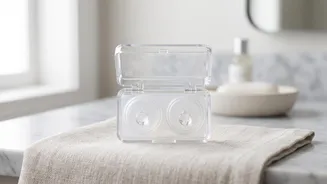
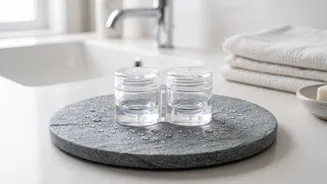
The risk isn’t limited to swimming. The U.S. Centers for Disease Control and Prevention (CDC) and other health authorities advise against exposing contact lenses to any water at all. This includes showering, using a hot tub, or even washing your face without first removing your lenses. A quick splash in the shower may seem trivial, but tap water is a known source of Acanthamoeba, and it only takes a small amount to contaminate a lens and create a risk of infection. For this reason, it is also critical to never use tap water to rinse or store your contact lenses or case.
The Goggle Solution: A Protective Barrier
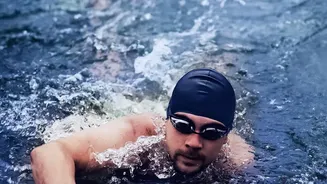
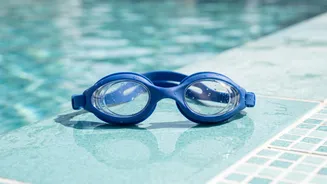
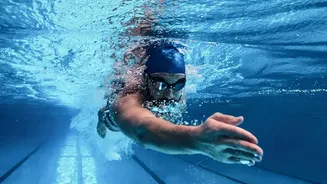
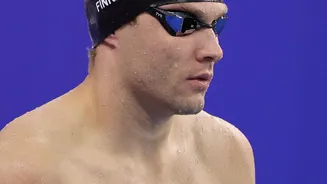
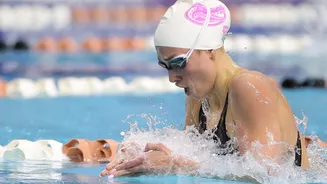
So, how can you enjoy the water while protecting your eyes? The single most effective tool is a pair of well-fitting swimming goggles. By creating a watertight seal around your eyes, goggles act as a physical barrier, preventing water from coming into contact with your lenses. This dramatically reduces the risk of contamination from bacteria and other harmful organisms. While some experts note that no method is completely foolproof, as goggles can leak, it is widely seen as the best compromise for those who need vision correction while swimming. For maximum safety, prescription swimming goggles, which correct your vision without the need for contacts at all, are an even better alternative.
Best Practices for Lens-Wearing Swimmers
If you choose to wear contact lenses with goggles, it's crucial to follow strict hygiene practices to minimize risk. Opt for daily disposable lenses that you can throw away immediately after swimming, which prevents any lingering contaminants from remaining on the lens. If any water does leak into your goggles, remove and discard your lenses as soon as possible. After your swim, rinse your eyes with preservativefree artificial tears to help flush out any potential irritants. Always wash and dry your hands thoroughly before handling your lenses. If you experience any symptoms like redness, pain, light sensitivity, or blurred vision after swimming, remove your lenses immediately and consult an eye care professional.