







The Appeal of the Open Road
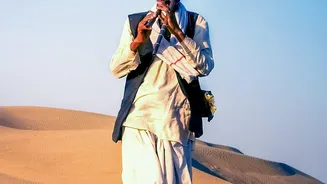
Just a short flight from India, Oman offers a world of adventure that feels a world away. The country's primary draw is its stunningly diverse and accessible scenery. Imagine driving from the bustling souqs of Muscat to the vast, silent expanse of the Sharqiya
Sands (also known as Wahiba Sands), then cooling off in the turquoise pools of a wadi, or mountain valley, the next day. A self-drive trip puts you in control, allowing for a journey that can include camping on a secluded beach, navigating the rugged tracks of Jebel Shams (Oman's highest mountain), and waking up to a desert sunrise. This freedom to explore at one's own pace is a massive draw for a generation that values experiences over prescribed itineraries.
Adventure That Doesn't Break the Bank
The phrase "budget trip to the Middle East" might sound like a contradiction, but Oman makes it possible, primarily through camping. Wild camping is legal and widely accepted across most of the country on public land. This means your biggest travel expense—accommodation—can be reduced to virtually zero on many nights. Instead of costly hotels, you can invest in basic camping gear from a hypermarket in Muscat for a fraction of the price. When paired with a shared rental car and affordable fuel, the daily cost of an Omani adventure becomes significantly lower than a traditional international holiday. The abundance of delicious and inexpensive local eateries, particularly Indian and Pakistani restaurants, further helps in keeping food costs down.
Is It Safe and Easy to Plan?
Oman is consistently ranked as one of the safest and most peaceful countries in the Middle East, with very low crime rates. Tourists, including solo female travellers, often report feeling exceptionally safe and welcomed by the famously hospitable Omani people. Logistically, planning a trip is straightforward. Indian citizens can apply for an e-Visa online, with options for 10-day or 30-day stays. Some travellers holding valid visas from countries like the US, UK, or the Schengen Area may even be eligible for visa-free entry for up to 14 days. The road infrastructure is excellent, with well-maintained highways connecting major points of interest, making it a friendly destination for first-time international road-trippers.
Your Chariot Awaits: Renting a Vehicle
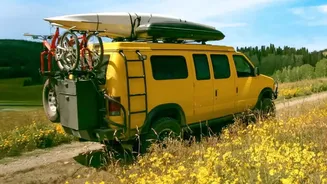
While a standard sedan can handle the main highways, a 4x4 vehicle is essential for fully experiencing Oman's adventurous side. It's the key to accessing remote wadis, driving into the desert, and navigating the spectacular mountain roads of Jebel Akhdar or Jebel Shams. Car rental costs in Muscat are competitive, with compact SUVs available for reasonable daily rates, especially when split between a group. Booking in advance is recommended, particularly during the peak season from October to April. While a 4x4 costs more than a standard car, it doubles as both transport and your ticket to free, unforgettable campsites.
A Taste of the Itinerary
A typical one-week self-drive itinerary could start in Muscat. After stocking up on supplies, you could head south along the coast, stopping at the Bimmah Sinkhole before camping near Wadi Shab. From there, a drive to the city of Sur and the turtle nesting reserve at Ras al Jinz (where camping on the beach is restricted to protect the turtles) is a popular route. No trip is complete without venturing inland to the Sharqiya Sands for a night of desert camping under the stars. The journey could then loop back towards Muscat via the historic city of Nizwa, famous for its fort and bustling Friday animal market, with a potential detour up into the mountains.