






A Triumph of Scale and Cost
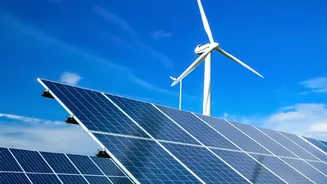
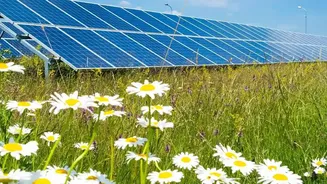
For over a decade, India’s solar mission was defined by two clear goals: increase capacity and decrease costs. On both fronts, the success has been staggering. From just a few gigawatts in the early 2010s, the country's installed solar capacity has soared,
reaching over 164 GW by mid-2026. This phenomenal growth was fuelled by ambitious government targets, falling global panel prices, and competitive auctions that drove tariffs to record lows. India has already crossed the 300 GW mark for non-fossil fuel power capacity, achieving 60% of its 500 GW target for 2030 well ahead of schedule. This rapid expansion established solar as a cornerstone of the nation’s energy strategy, proving that clean power could be deployed cheaply and at a massive scale. The focus was squarely on generation, and by that measure, the mission has been a resounding victory.
The Sunset Problem and Wasted Power
The very nature of solar power presents the next great hurdle: intermittency. Solar panels generate abundant, cheap electricity during sunny afternoons but produce nothing at night. This creates a fundamental mismatch between supply and demand. As solar capacity grows, grids are flooded with power at midday, but as the sun sets, demand for electricity often peaks, forcing a reliance on other power sources. This isn't just a theoretical problem. A paradoxical situation is emerging where, even as India faces power shortfalls during peak evening hours, solar producers are sometimes asked to curtail, or waste, electricity. In the 15 months leading up to September 2026, India curtailed nearly 11 terawatt-hours of solar generation because the grid simply couldn't handle the surplus power safely. This highlights the core of the 'after generation' challenge: building solar farms is no longer enough.
The Critical Role of Energy Storage
The most direct solution to intermittency is energy storage, primarily through Battery Energy Storage Systems (BESS). These systems act like giant power banks, absorbing excess solar energy during the day and releasing it during evening peak hours. This ensures a reliable, round-the-clock supply of clean energy. The good news is that battery costs have been falling dramatically. However, the initial investment remains high. A complete residential system can cost lakhs of rupees, although prices are declining. Recognizing its importance, the government is pushing for storage integration. Policies like the Energy Storage Obligations mandate that utilities must incorporate storage, and Viability Gap Funding is being offered to make projects more financially attractive. Recent draft regulations even propose mandating battery storage for all new government solar and wind projects from 2027. These steps are crucial, as studies estimate India will need over 60 GW of energy storage capacity by 2030 to support its clean energy targets.
A Grid Straining Under Pressure
Beyond storage, the national grid itself requires a major overhaul. India’s transmission infrastructure was designed for a different era, one dominated by large, centralized coal and hydro plants. It wasn't built for the distributed and fluctuating nature of renewable energy. The high concentration of solar farms in resource-rich states like Rajasthan and Gujarat creates congestion on transmission lines, creating a bottleneck to evacuate power to demand centers. Building new transmission lines is a slow process, often taking several years and facing delays. This mismatch between the speed of renewable deployment and grid expansion is leading to significant power wastage. Experts argue that India needs a more flexible and smarter grid that can seamlessly manage the ebb and flow of solar and wind power, a transition that requires immense investment in modernizing transmission and distribution networks.